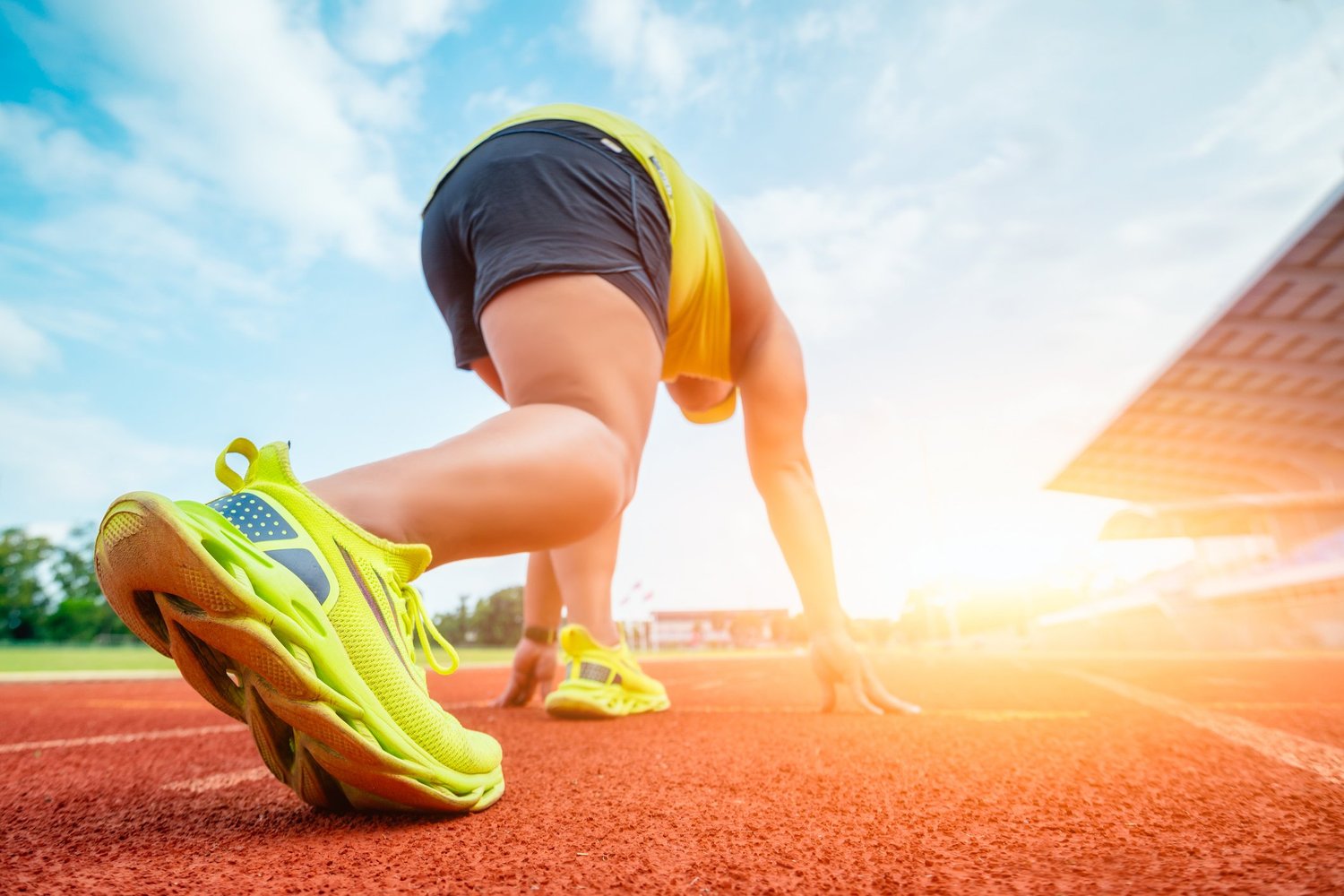
 Due to the extreme usage of their feet and ankles, whether it be pounding from running, quick stops and starts, or lateral movements, athletes are prime candidates for injury, reinjury, and secondary injuries (which can also result in ongoing painful conditions relative to the feet, ankles, and lower body if left untreated).
Did you know that the dynamic relationship between the foot’s arch, bones, ligaments, and muscles creates the ability to absorb up to four hundred times the body’s weight? The body converts all of this force into functional movement such as walking, running, and jumping. For these reasons and more, having strong feet and ankles is critical for optimal sports performance and injury prevention.
Ideally, the best approach to having strong, healthy feet is personalized treatment and individualized care. We recommend that all athletes have a biomechanical examination performed by their sports medicine podiatry specialist or physician before or during each season. A biomechanical examination includes a detailed analysis of sports movements which can help improve performance and reduce the risk of injury.
Proper Footwear Selection is Key 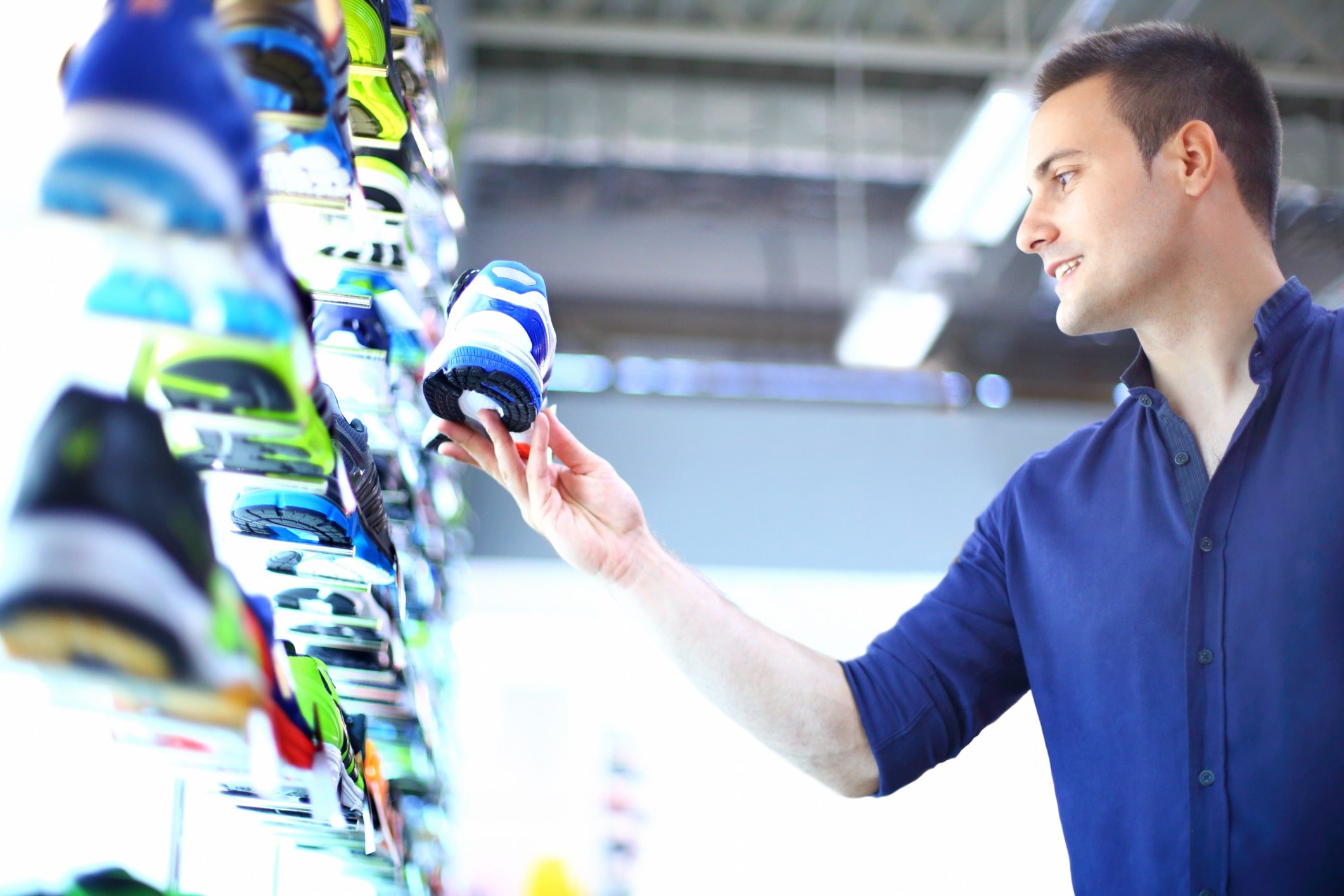
Specialized footwear is required in almost every sporting activity, and each is designed to meet the needs of players in their respective sports. Athletes in lateral sports such as tennis, basketball, football, and hockey require increased stability for side movements and a lower insole to allow for sudden directional shifts. Runners, on the other hand, require more supportive footwear with ample shock-absorbing cushioning.
Warm-up, Stretch, and Cool Down
It is vital for athletes to include foot and ankle stretches and exercises as part of each warm-up or pre-activity routine.
Helpful exercises include:
- Heel raises
- Ankle rotations
- Toe curls
- Mobility exercises
Cooldown exercises are equally important for injury prevention. These typically include static stretching and gentle movements to help the body return to its pre-exercise state while reducing muscle soreness and fatigue.
Effective cool-down exercises include:
- Calf stretches
- Plantar fascia stretches
- One-legged forward bends
- Knee-to-chest stretches
Recover and Rest
Recovery plays a critical role in high performance. Whether it is the start of a season or a new training routine, the body needs adequate time to prepare and adapt to increased physical demands, helping to reduce injury risk.
It is recommended to allow at least 24 hours of rest between intensive training sessions and to avoid pushing through pain or discomfort during activity.
Massage therapy can support recovery by improving circulation, enhancing muscle function and flexibility, reducing inflammation in muscles, tendons, ligaments, and joints, and promoting relaxation that supports quality sleep and reduced anxiety. 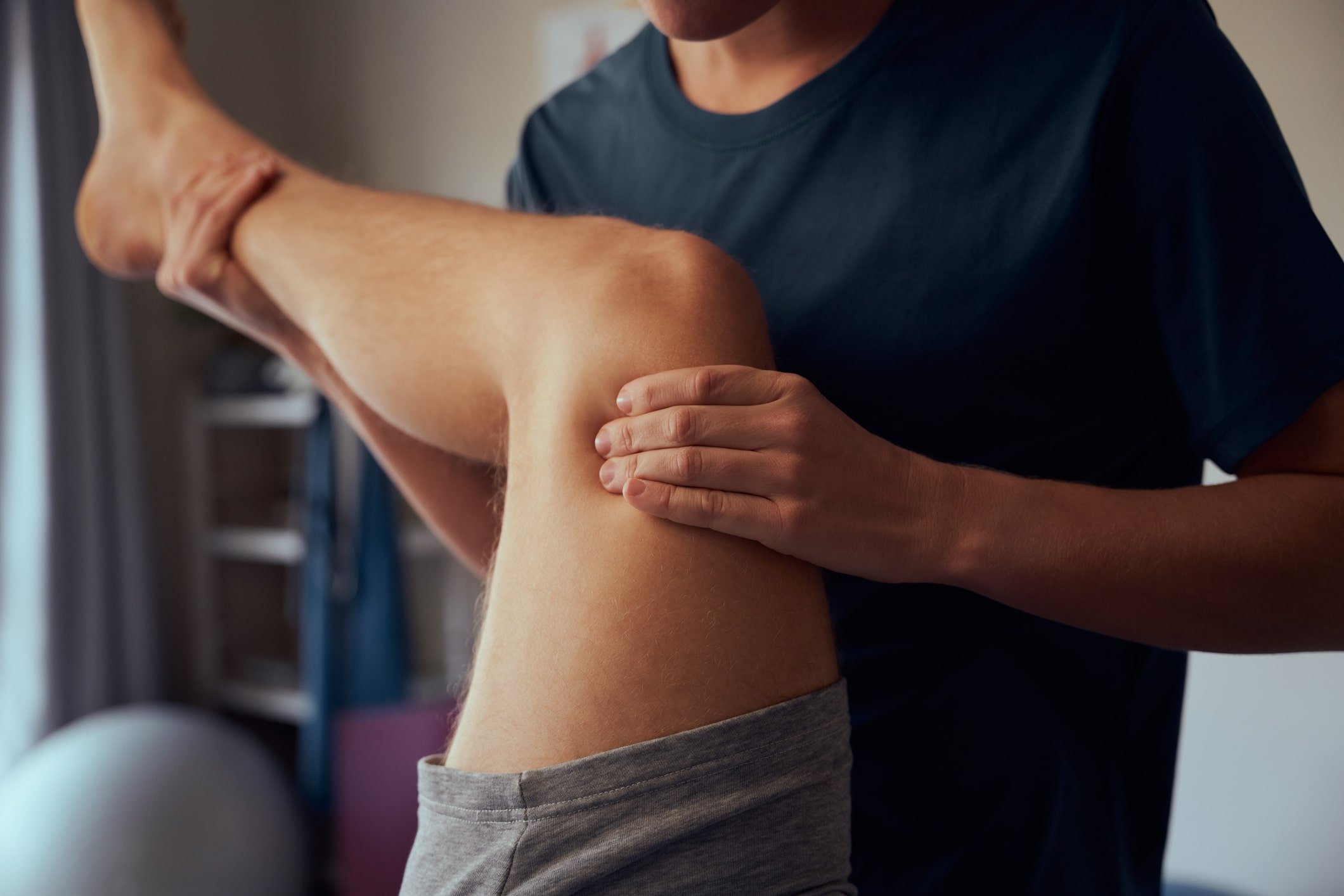
In summary, regular biomechanical examinations by a sports medicine podiatry specialist, consistent foot-strengthening exercises, massage therapy, proper footwear selection, and adequate recovery time are all essential components of injury prevention and long-term athletic performance.
To schedule your routine biomechanical examination or if you or someone you care for is experiencing pain in the feet, ankles, or lower body, call our office at (610) 522-9200 or contact us via our website at www.drleecohen.com/contact to book an appointment at our Marlton, N.J. or Ridley Park, PA office locations.
To learn more about common and preventable sports injuries, visit https://www.drleecohen.com/common-sports-injuries.

