HEEL PAIN - CAUSES AND TREATMENT

heel pain introHeel pain can be caused by several factors including trauma, overexertion, poor foot structure, ill-fitting shoes and conditions such as heel spurs, stress fractures, peristalsis, plantar fasciitis, inferior calcaneal bursitis, bursitis of the fascia, nerve entrapment, arthritis, or systemic disease (all of these diagnoses must be investigated before treatment regimens are initiated).

The most common cause of heel pain seen in our offices and treated by our team of sports medicine podiatry specialists (in athletes as well as the general population) is plantar fasciitis.

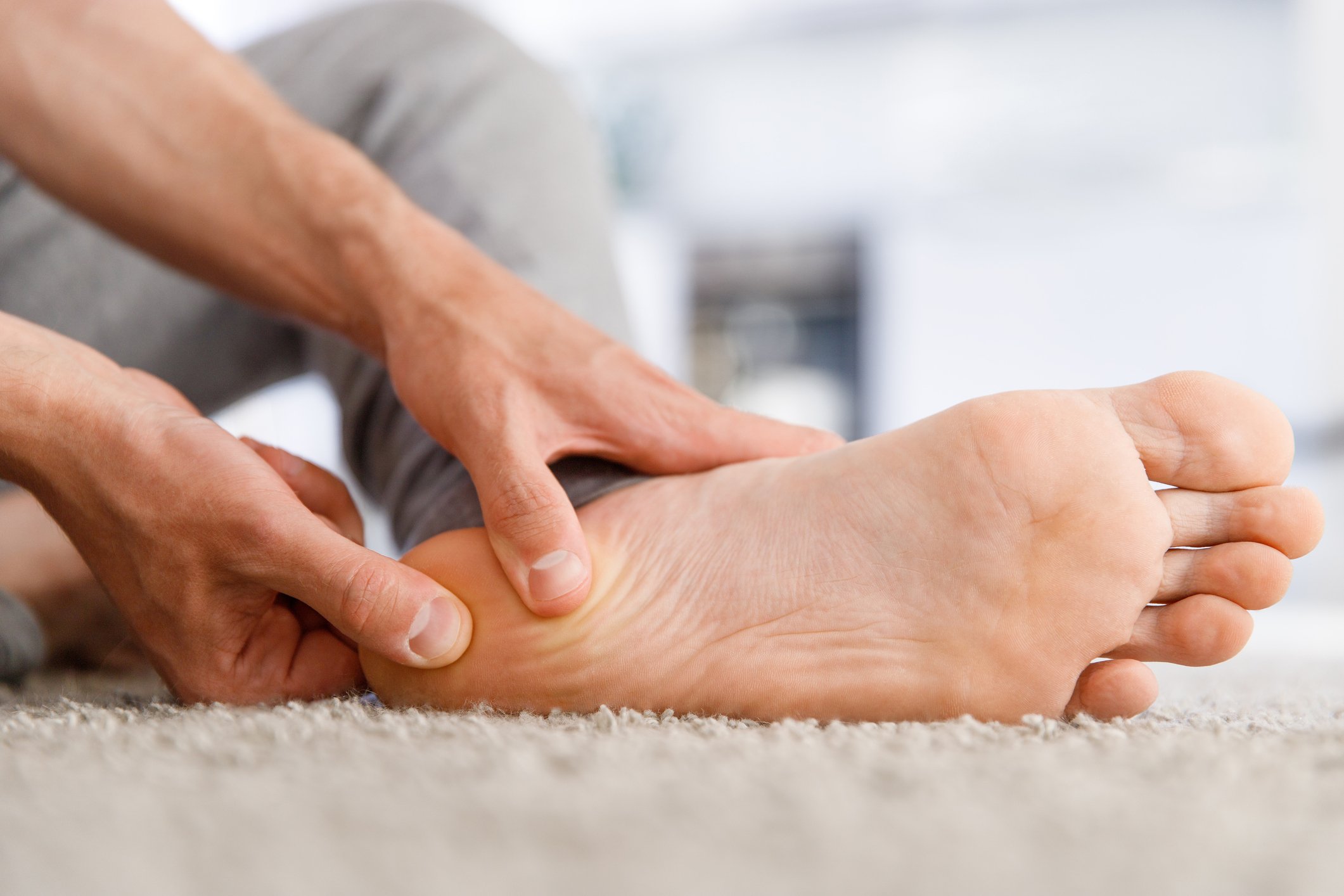
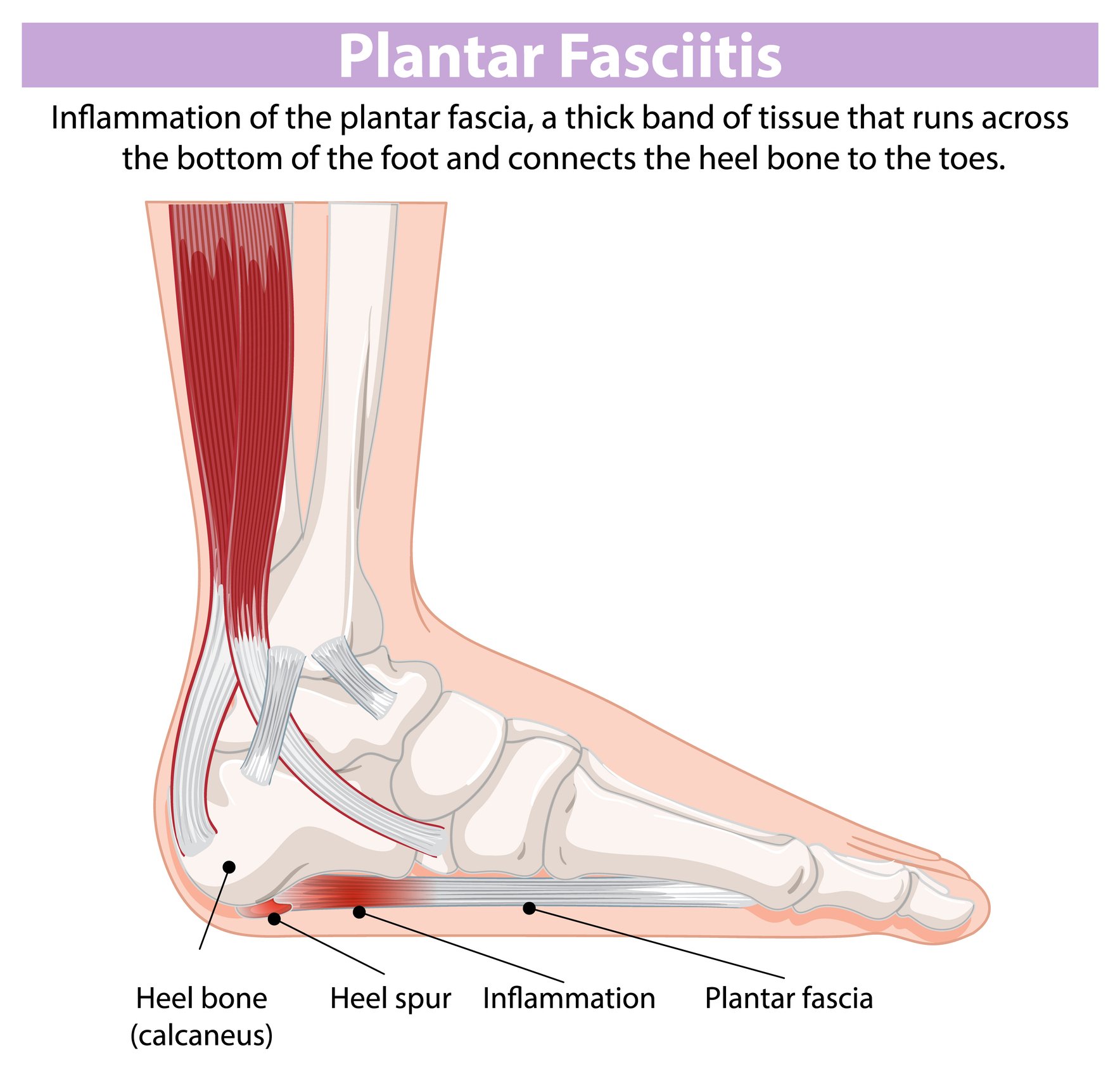
Symptoms of plantar fasciitis can include pain when you first get up in the morning, burning, numbness, and increased discomfort by the end of the day. The pain is usually caused by a tight plantar fascia, which is a thick, three-band ligament-like tissue that supports the foot’s bottom (or plantar surface). It originates in the heel and spans the length of the foot to the toes.

Plantar fasciitis is an inflammatory response caused by pressure in the arch and heel area due to poor foot mechanics from incorrect walking or running. This inflammation usually develops gradually without warning. Highly active individuals such as runners can develop the problem over time, but it can occur in anyone, regardless of gender. There is some correlation between the frequency of plantar fasciitis and being overweight or obese. heel pain 01
The main treatment goal is to realign the body and posture so that the foot functions properly without stressing the plantar fascia. This is accomplished through the use of custom-made orthotic insoles. Additional treatment for plantar fasciitis may consist of anti-inflammatories, strapping, stretching, icing, bracing, shock wave therapy, or cortisone injections in conjunction with custom orthotic insoles.

If you or someone that you care for is feeling pain in the feet, ankles, or lower body, don’t wait—seek treatment. Call our office today to schedule an appointment with one of our sports medicine podiatry specialists at our Marlton, N.J. or Ridley Park, PA Sports Medicine Podiatry Centers at (610) 522-9200, or to learn more visit www.drleecohen.com.


STRONG FEET AND ANKLES = STRONGER ATHLETES

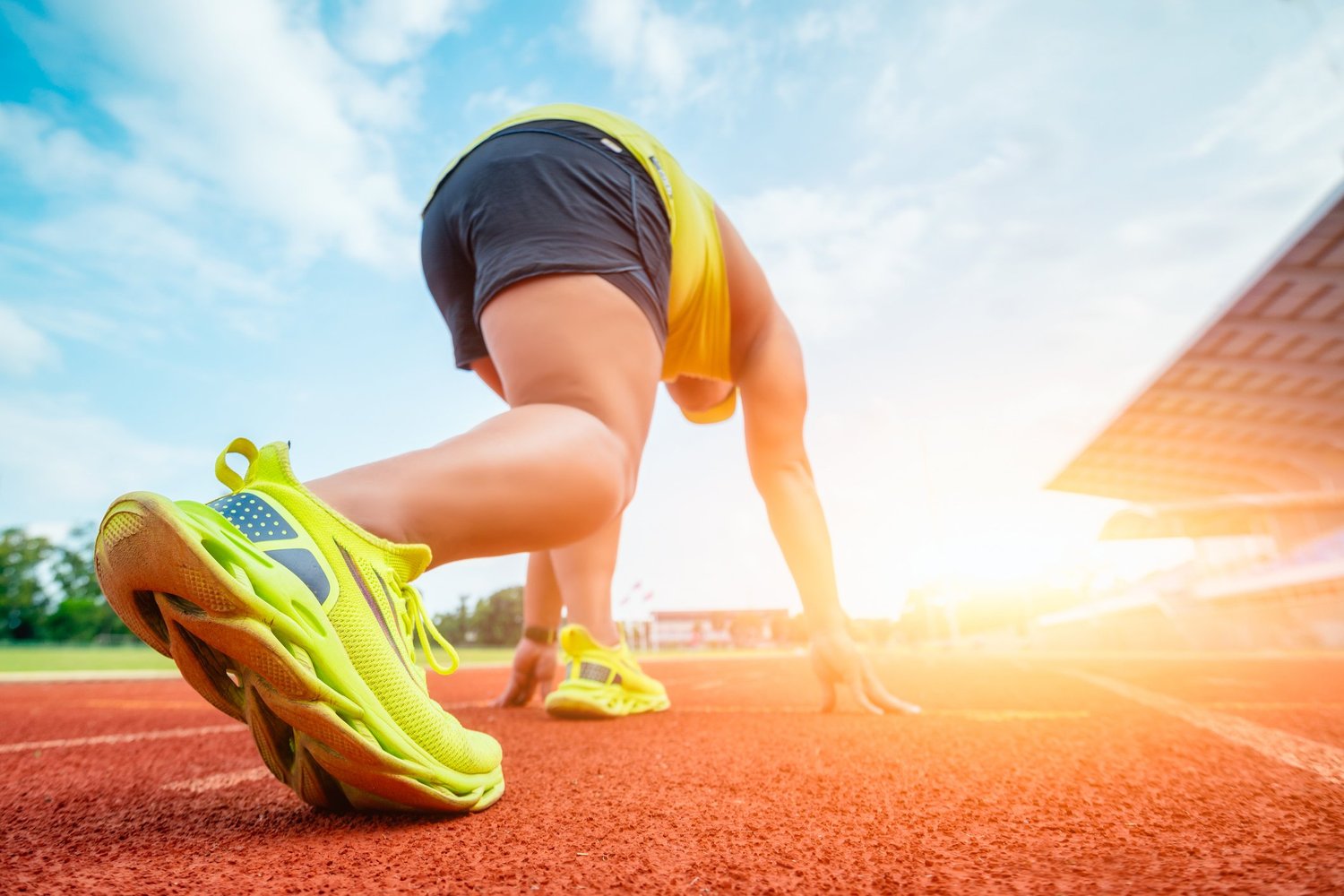
strong feet ankles introDue to the extreme usage of their feet and ankles, whether it be pounding from running, quick stops and starts, or lateral movements, athletes are prime candidates for injury, reinjury, and secondary injuries (which can also result in ongoing painful conditions relative to the feet, ankles, and lower body if left untreated).
Did you know that the dynamic relationship between the foot’s arch, bones, ligaments, and muscles creates the ability to absorb up to four hundred times the body’s weight? The body converts all of this force into functional movement such as walking, running, and jumping. For these reasons and more, having strong feet and ankles is critical for optimal sports performance and injury prevention.

Ideally, the best approach to having strong, healthy feet is personalized treatment and individualized care. We recommend that all athletes have a biomechanical examination performed by their sports medicine podiatry specialist or physician before or during each season. A biomechanical examination includes a detailed analysis of sports movements which can help improve performance and reduce the risk of injury.

Proper Footwear Selection is Key strong feet ankles 01

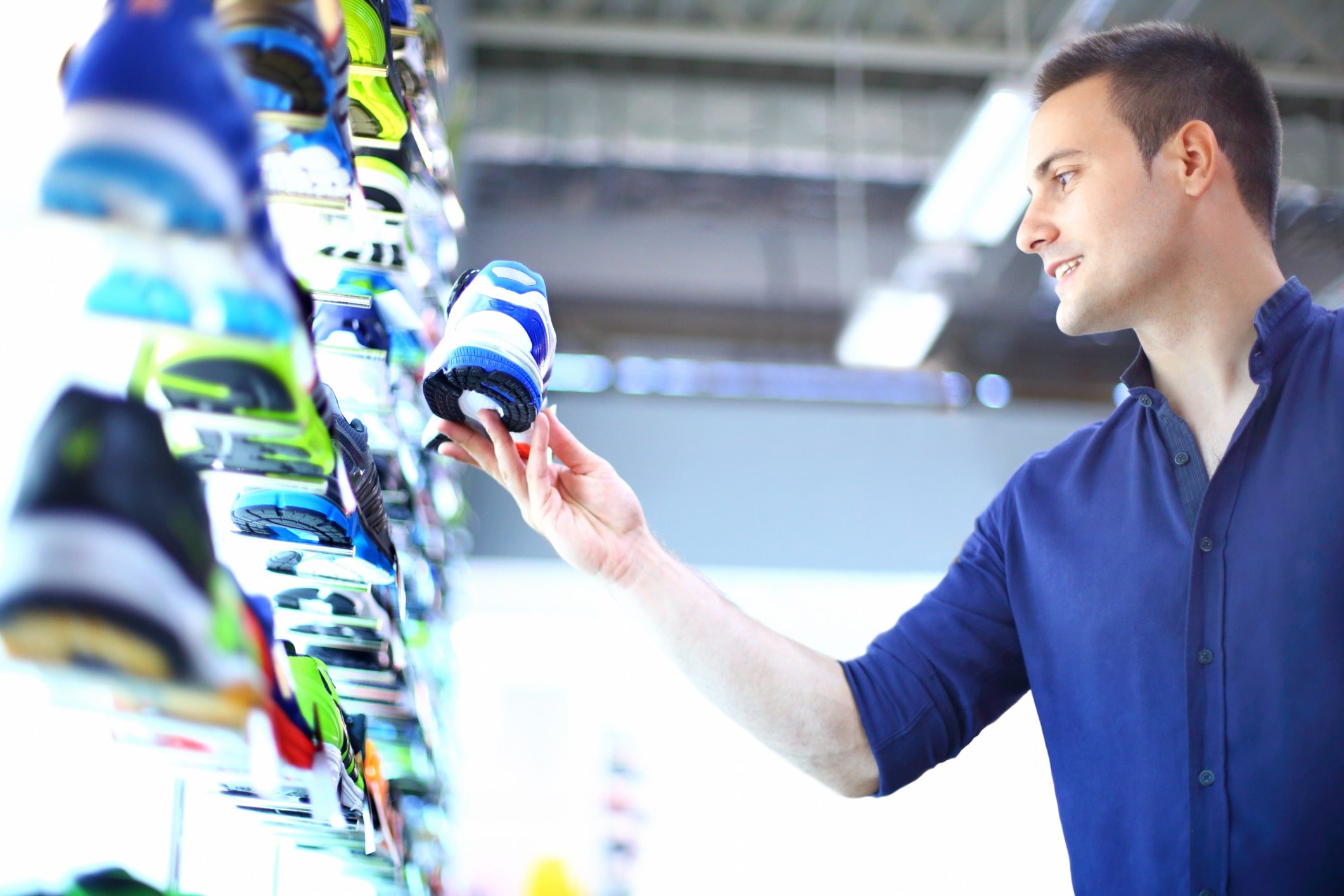
Specialized footwear is required in almost every sporting activity, and each is designed to meet the needs of players in their respective sports. Athletes in lateral sports such as tennis, basketball, football, and hockey require increased stability for side movements and a lower insole to allow for sudden directional shifts. Runners, on the other hand, require more supportive footwear with ample shock-absorbing cushioning.

Warm-up, Stretch, and Cool Down

It is vital for athletes to include foot and ankle stretches and exercises as part of each warm-up or pre-activity routine.

Helpful exercises include:

Cooldown exercises are equally important for injury prevention. These typically include static stretching and gentle movements to help the body return to its pre-exercise state while reducing muscle soreness and fatigue.strong feet ankles foot and toe stretch 02

Effective cool-down exercises include:

  • Calf stretches
  • Plantar fascia stretches
  • One-legged forward bends
  • Knee-to-chest stretches

Recover and Rest 

Recovery plays a critical role in high performance. Whether it is the start of a season or a new training routine, the body needs adequate time to prepare and adapt to increased physical demands, helping to reduce injury risk.

It is recommended to allow at least 24 hours of rest between intensive training sessions and to avoid pushing through pain or discomfort during activity.

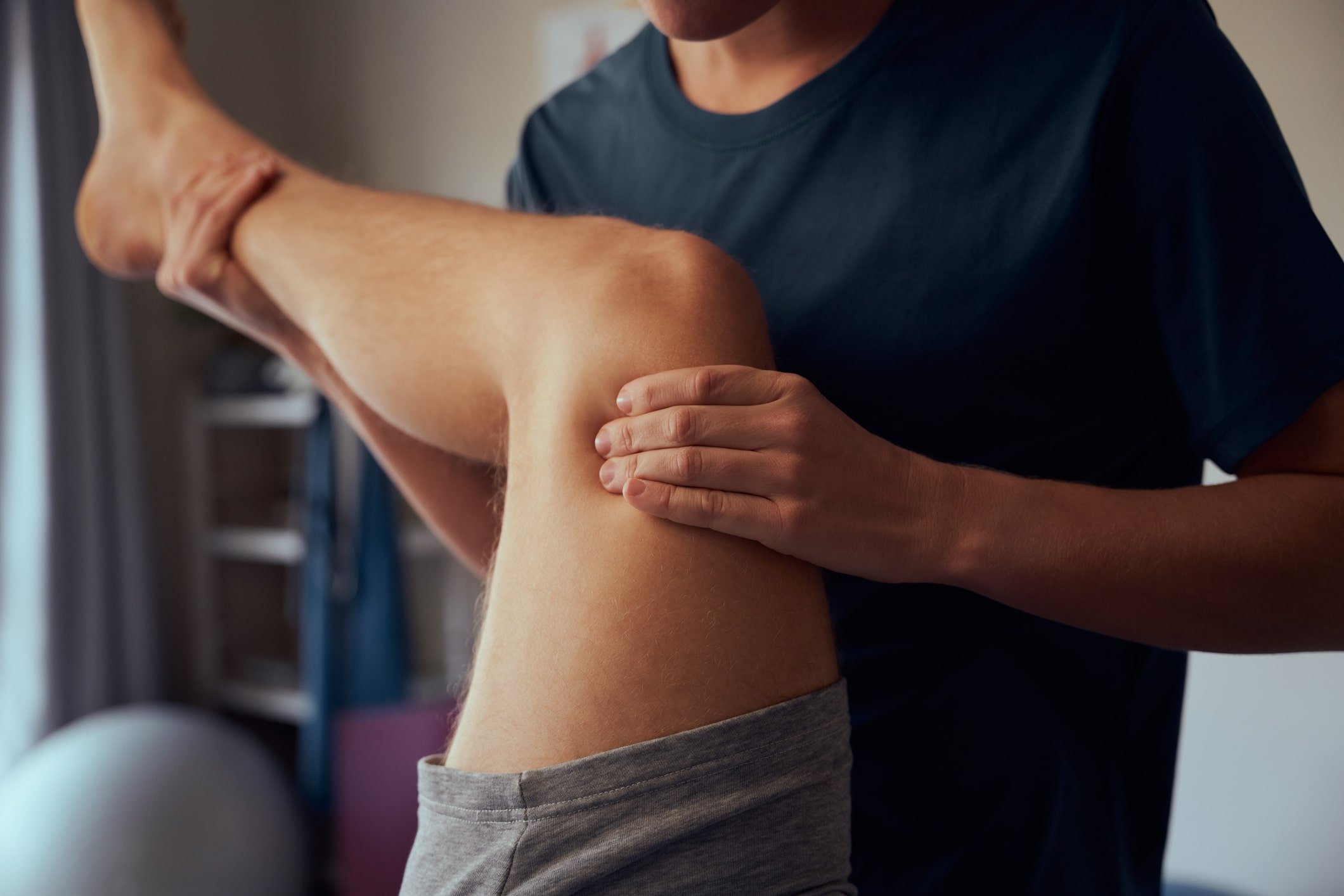
Massage therapy can support recovery by improving circulation, enhancing muscle function and flexibility, reducing inflammation in muscles, tendons, ligaments, and joints, and promoting relaxation that supports quality sleep and reduced anxiety. strong feet ankles sports massage therapy

In summary, regular biomechanical examinations by a sports medicine podiatry specialist, consistent foot-strengthening exercises, massage therapy, proper footwear selection, and adequate recovery time are all essential components of injury prevention and long-term athletic performance.

To schedule your routine biomechanical examination or if you or someone you care for is experiencing pain in the feet, ankles, or lower body, call our office at (610) 522-9200 or contact us via our website at www.drleecohen.com/contact to book an appointment at our Marlton, N.J. or Ridley Park, PA office locations.

To learn more about common and preventable sports injuries, visit https://www.drleecohen.com/common-sports-injuries.

DR. COHEN’S BASKETBALL SHOE LIST

If you ask anyone who follows basketball, they’ll tell you that the game has changed so much.  The biggest change is that it has become a positionless game in recent years.  Centers are dribbling and passing more, and guards are posturing big men and scoring more than they facilitate.  So probably one of the biggest factors when choosing your basketball shoe is your style of play as well as your position.

The following shoes are proven winners according to Wear Testers.  

If you are quicker and swifter, your game is probably more like a point guard.  If so, the following shoes are most likely for you:

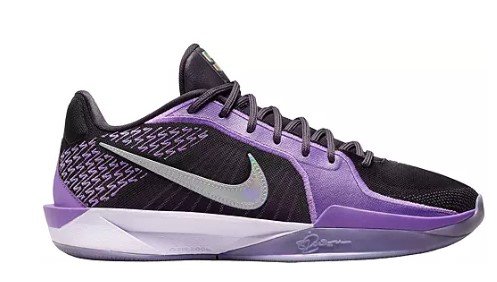
Nike Sabrina 2

basketball shoe NikeSabrina2


  • Lighter than last year’s Sabrina 1
  • Great cushion, stability and comfort
  • Great multidirectional traction


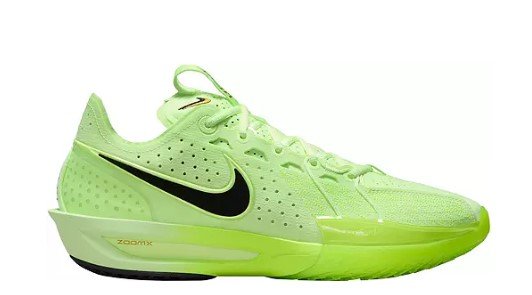
Nike GT Cut 3

basketball shoe NikeGTCut3

  • Listed as the “fun shoe”
  • Agile, makes your feet feel like sprinting up and down the court
  • Well cushioned with ZoomX foam, but still stable


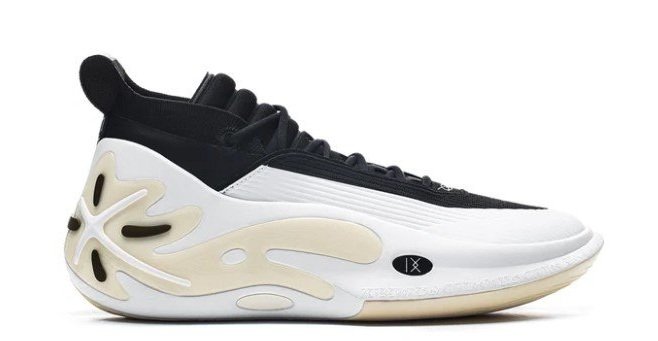
Way of Wade 11

basketball shoe WayofWade11

  • Reliable traction
  • Unique outsole design promises to excel indoors
  • Exceptional responsiveness from full-length boom midsole
  • “Customized” carbon fiber shank plate making the shoe stable


Other notables are:

  • Adidas AE1 Low
  • Nike GT Hustle 2
  • Nike Sabrina 1
  • Nike Giannis Immortality 2
  • Curry 10 - Resembles price and can be used indoors or outdoors


SHOOTING GUARDS:

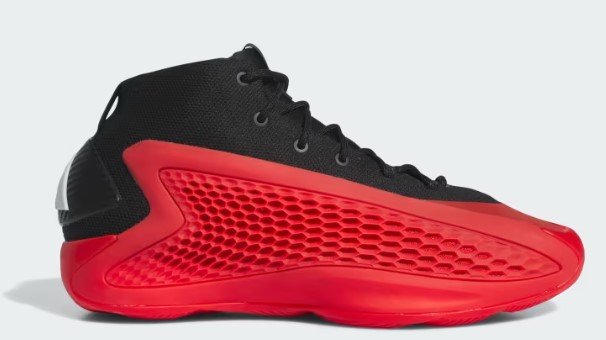
basketball shoe AdidasAE1

Adidas AE1

  • Top tier performance
  • One of the best first signatures shoe


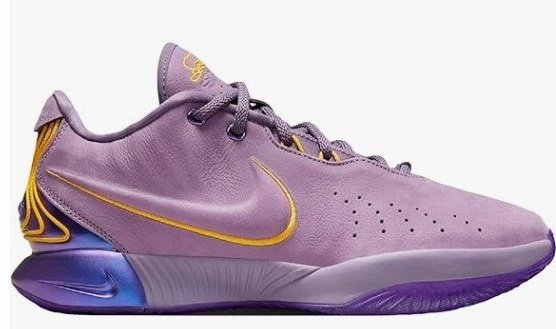
basketball shoe NikeLeBron21

Nike LeBron 21

  • Great cushion
  • Great traction
  • Great comfort
  • Attainable Kobe substitute


Others:

  • Way of Wade 11
  • Adidas Don Issue 6
  • -For Heavier Players
  • NIKE GT Cut 3
  • Nike GT Hustle 2
  • Curry 11


BEST CHOICES FOR SMALL FORWARDS:

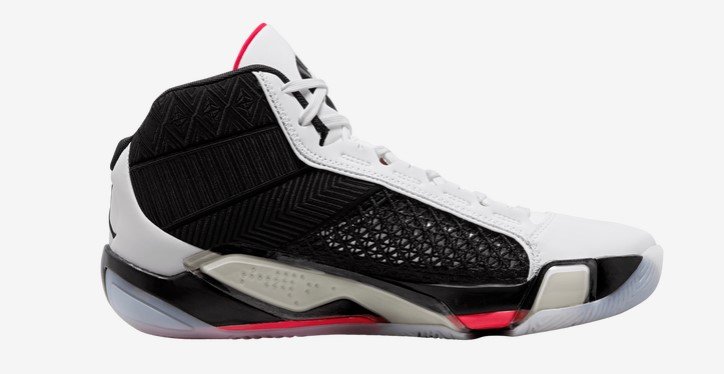
  • basketball shoe Jordan38Nike LeBron 21
  • Way of Wade 11&12
  • Jordan 38 (pictured)
  • -One of the best shoes of the year
  • New Balance Kawhi IV
  • Nike KD17
  • Nike LeBron NXXT Gen AMPD
  • EQLZ 247  - Great features practically unknown brand


BEST CHOICES FOR POWER FORWARDS:

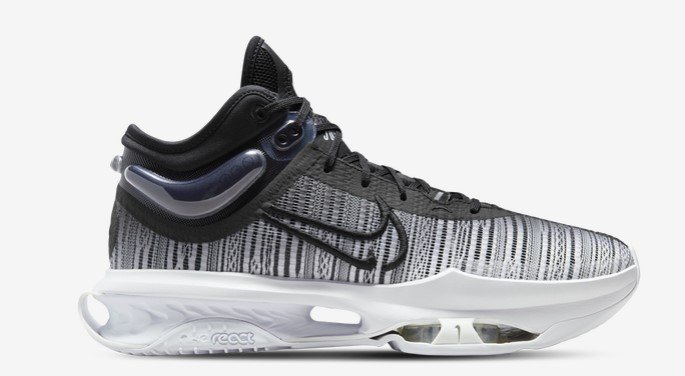
basketball shoe NikeZoomGTJump2

  • Nike GT Jump 2 (pictured)
  • Nike LeBron 21
  • Way of Wade All City 12 Encore
  • Nike KD17
  • Nike LeBron NXXT Gen AMPD - Currently Wear Testers best basketball shoe of the year


BEST SHOE CHOICES FOR CENTERS:

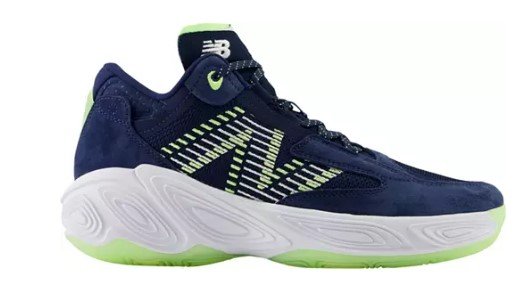
basketball shoe NBFreshFoamBBv2

  • Nike GT Jump 2
  • New Balance Fresh Foam BB V2 (pictured)
  • -New Balance’s best basketball shoe to date
  • Nike LeBron NXXT Gen AMPD
  • ANTA KT7 - Nitrogen infused foam cushion is the highlight of this tech-heavy model

Even though some of these shoes are already listed, you may want to have more information.


RECOMMENDATIONS FOR FLATFOOTED PLAYERS:

  • Nike LeBron 21
  • Air Jordan 38
  • Nike GT Jump 2
  • Nike KD 17
  • Nike Air Max Impact 4 - Best budget shoe


RECOMMENDATIONS FOR WIDE FEET:

  • Way of Wade Son of Flash
  • Nike GT Jump 2
  • Dame 8 EXTPLY
  • Puma Stewie 2
  • Curry 10
  • Way of Wade 10

DOES YOUR CHILD SUFFER FROM KNEE PAIN?

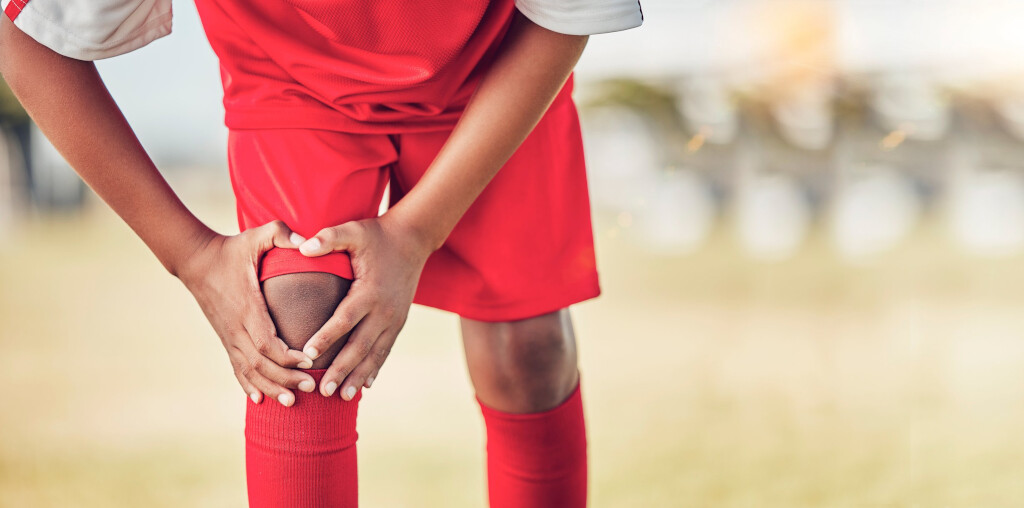
child knee pain introWe often think of knee pain as something only adults suffer from, but knee pain also hits teens and preteens who are active in sports.
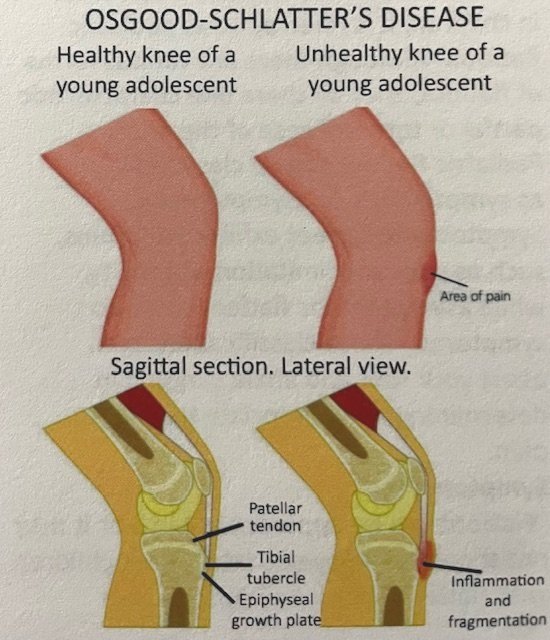
Pain in the front of the knee and around the kneecap is one of the most common complaints. Knee pain in these age groups can be caused by overuse, an imbalance in muscle strength and flexibility, or a growth-related disease called Osgood-Schlatter disease. 

Pain from Osgood-Schlatter’s disease is very specific. It’s an irritation of the growth area that causes pain just below the kneecap where a bony raised area usually develops. The bones grow fast, but the muscles don’t always keep up. Children who are flatfooted or have high arches are more likely to be affected because these foot types cause more abnormal muscle pull, which in turn irritates this area of the knee. child knee pain osgood schlatter knee

Don’t wait for your child to grow out of it. There is no need for your child to be in pain. Take action.

If you or someone that you care for is feeling pain in the feet, ankles, or lower body, don’t wait, seek treatment.  Call our office today to schedule an appointment with one of our sports medicine podiatry specialists at our Marlton, N.J. or Ridley Park, PA. Sports Medicine Podiatry Center at (610) 522-9200 or contact us via our contact form today.


scroll to top