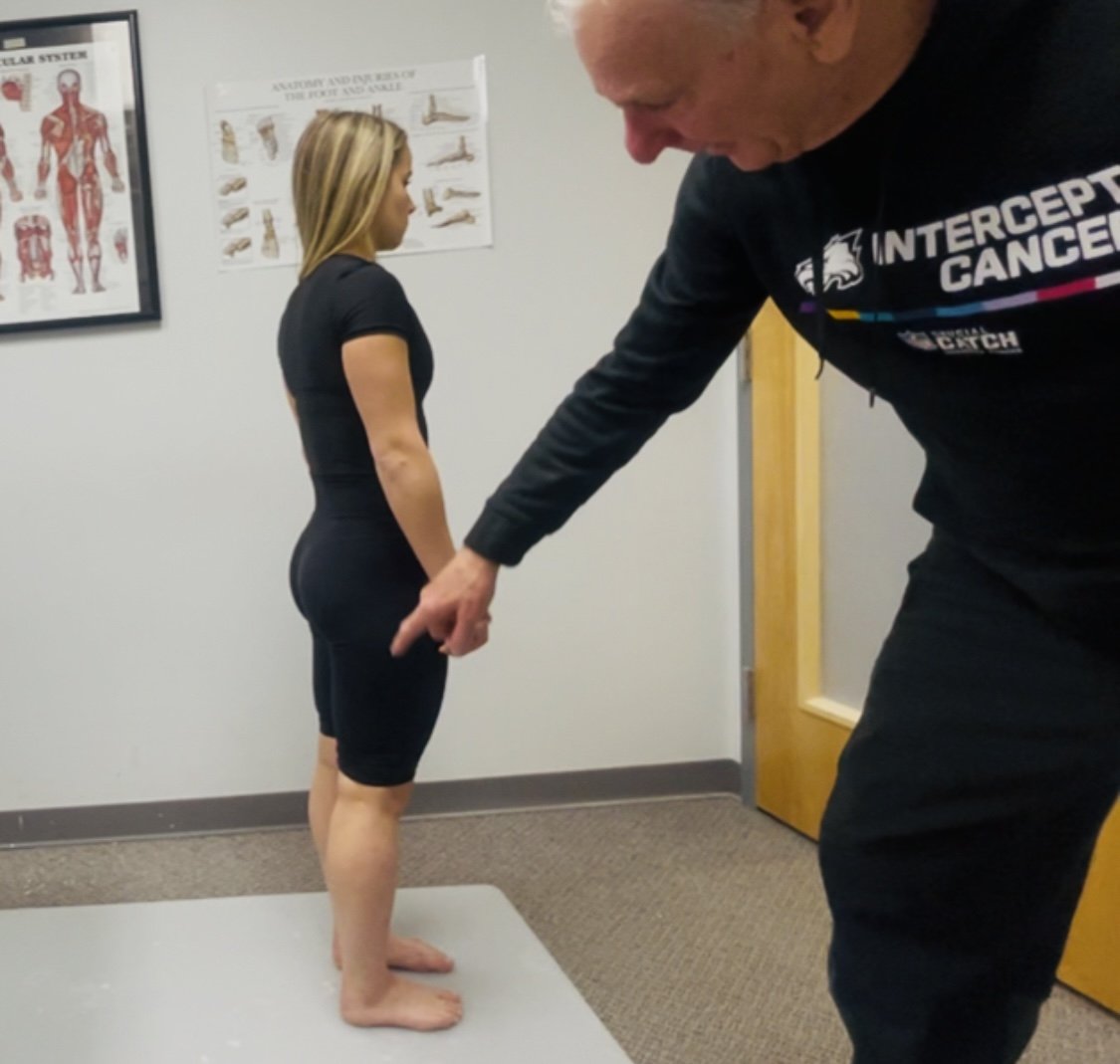
WHY EVERY ATHLETE SHOULD HAVE A LOWER BODY EXAMINATION AND BIOMECHANICAL SCREENING BY A SPORTS MEDICINE PODIATRIST BEFORE EACH SEASON

IMG 6952For athletes, the start of a new season often means long hours of conditioning, refining skills, and building strength. But while training camps and practice schedules are carefully planned, there’s one step many athletes skip: a comprehensive lower body examination and biomechanical screening with a sports medicine podiatrist.

Just as you wouldn’t start a season with broken equipment, you shouldn’t head into competition without making sure your feet, ankles, knees, and the mechanics that connect them are functioning correctly. This often-overlooked evaluation can make the difference between a strong, healthy season and one interrupted by preventable injuries.


The Lower Body is the Foundation of Athletic Performance

Your lower body is responsible for some of the most crucial athletic functions, including generating power, absorbing impact, and stabilizing movement to maintain balance and agility in nearly every sport. From sprinting down a track to pivoting on the court or cutting across a turf field, athletic performance depends on efficient lower-body mechanics.Foot leg exam
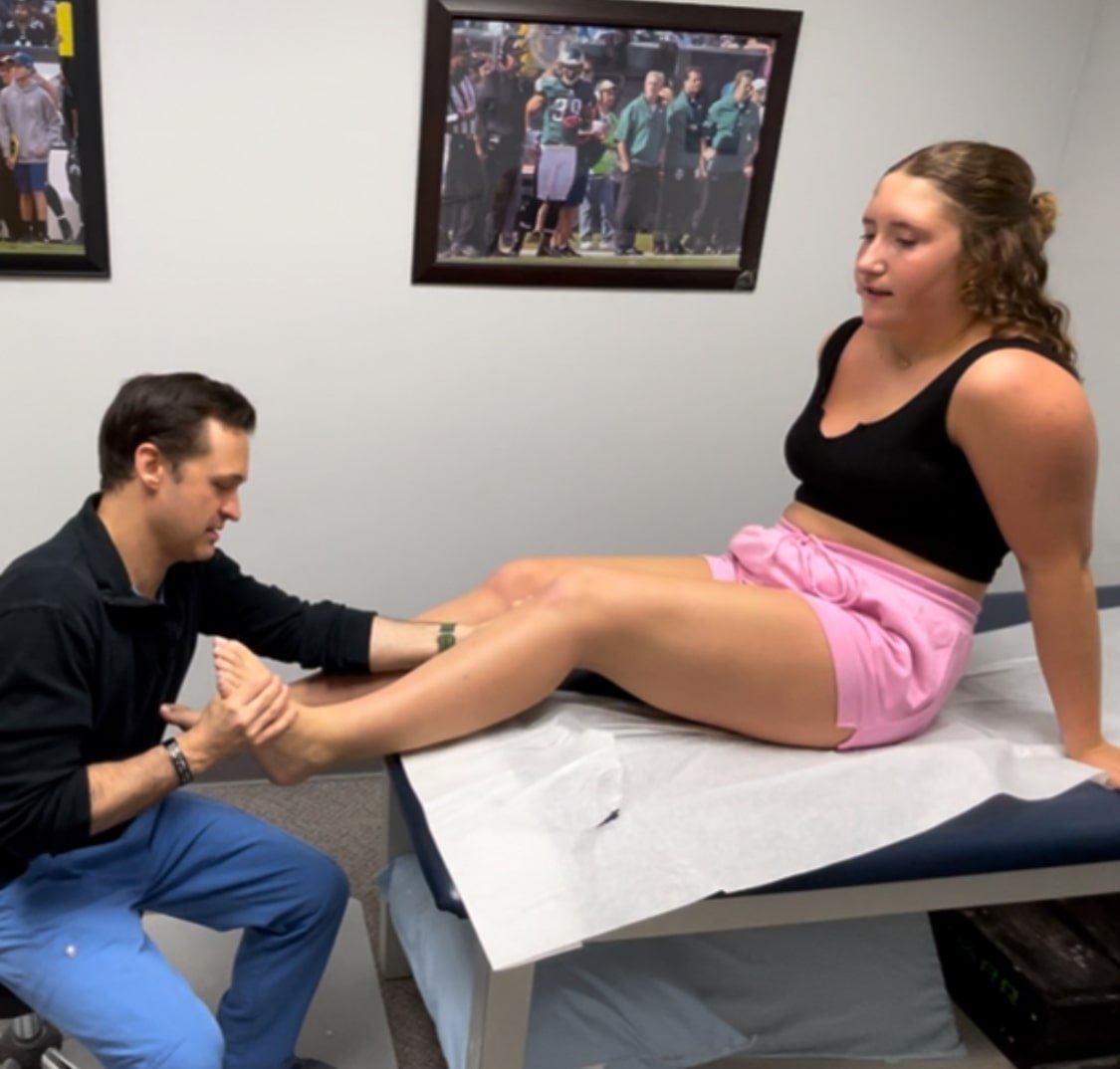
Even seemingly minor misalignments in the feet, ankles, or knees can create a chain reaction upward, affecting the hips, back, and overall movement efficiency. Over time, those small inefficiencies increase injury risk and drain energy that could otherwise fuel performance.

A preseason podiatric exam goes far beyond checking for pain or past injuries. It provides a detailed look at alignment, biomechanics, flexibility, strength, and footwear supports critical components of both injury prevention and performance optimization. 

Identifying Biomechanical Imbalances

Most athletes have subtle differences in foot structure, leg length, or muscle strength. While these may not cause problems at rest, the repetitive demands of training and competition can magnify them, leading to overuse injuries. 


A sports medicine podiatrist can detect issues such as overpronation (excessive inward rolling of the foot), supination (excessive outward rolling), or abnormal gait mechanics that put additional stress on the joints. Addressing these imbalances with corrective exercises, orthotics, or footwear adjustments early on prevents them from escalating into season-ending problems. Foot exam flatfeet
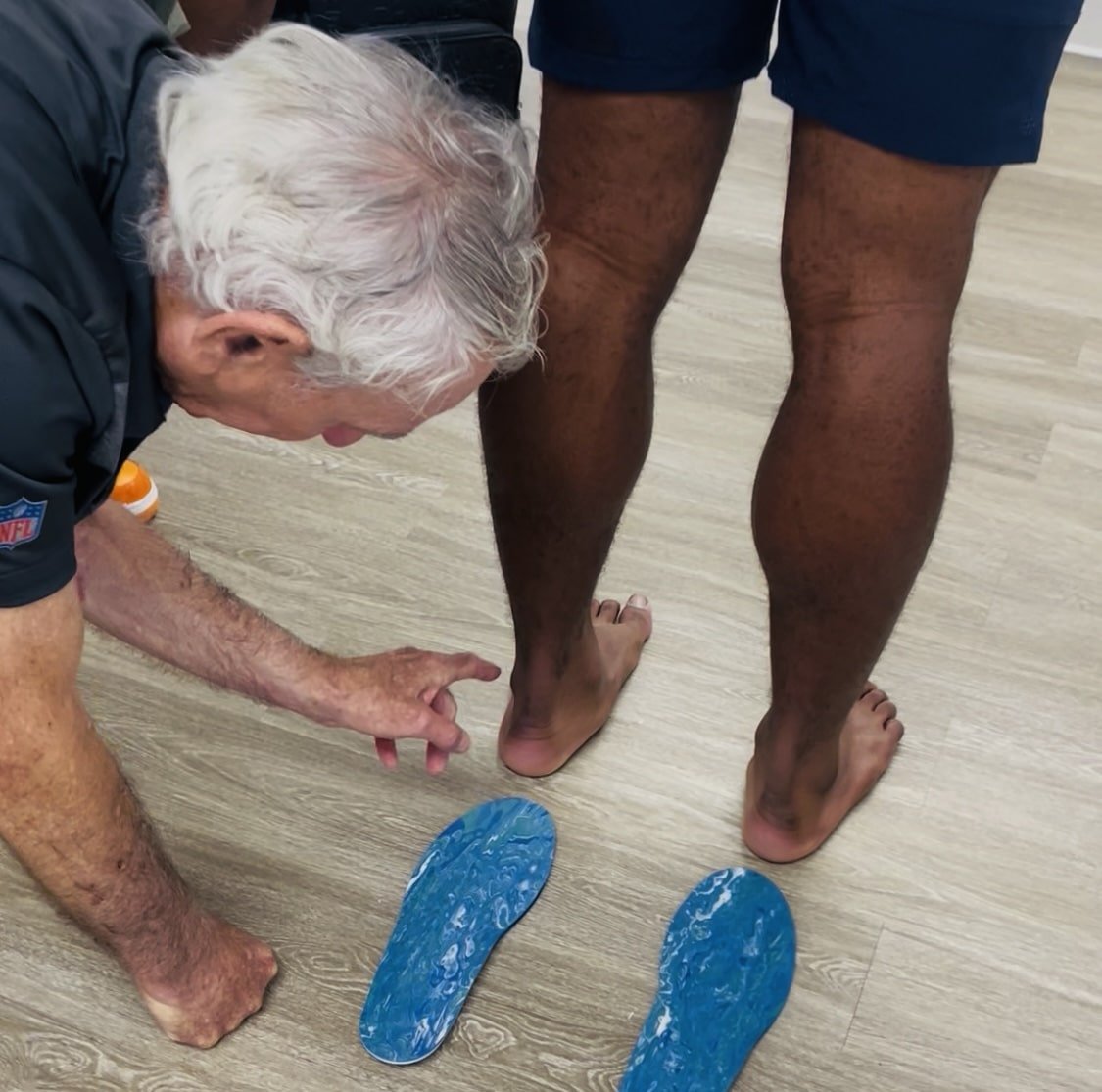
Overuse Prevention

Sports place repetitive stress on the lower body. Without proper support, athletes are more likely to develop conditions such as shin splints, plantar fasciitis, Achilles tendinitis, or even stress fractures.

A preseason exam acts as a proactive safeguard, identifying risk factors before they turn into pain or injury. It’s far easier—and far less disruptive—to prevent injuries than it is to treat them after they’ve sidelined you.

Footwear Optimization

Athletic shoes are not all created equal. Even within the same sport, differences in foot structure, playing surface, and exercise load can significantly affect footwear needs.

Sports medicine podiatrists help athletes select proper footwear and can fine-tune support with custom orthotics or by suggesting necessary adjustments. Something as simple as replacing improper footwear or adjusting insoles can improve performance and reduce the risk of injury.

Monitoring of Past Injuries

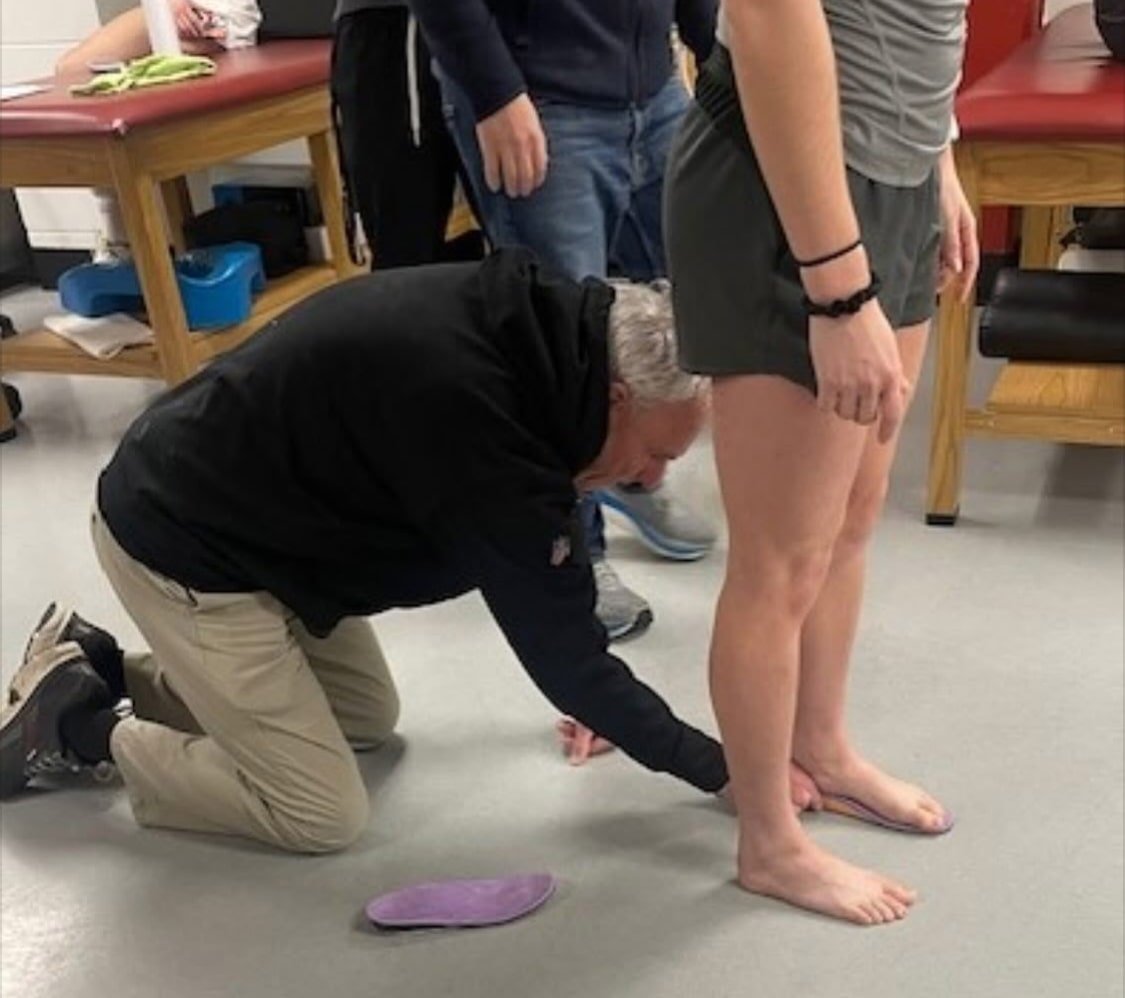
An athlete’s history typically includes past injuries such as sprains, stress fractures, or even surgeries. Even when these injuries appear to be resolved, the body may still compensate with subtle changes in movement that can lead to re-injury. Dr. Craig Paruszewski orthotic check
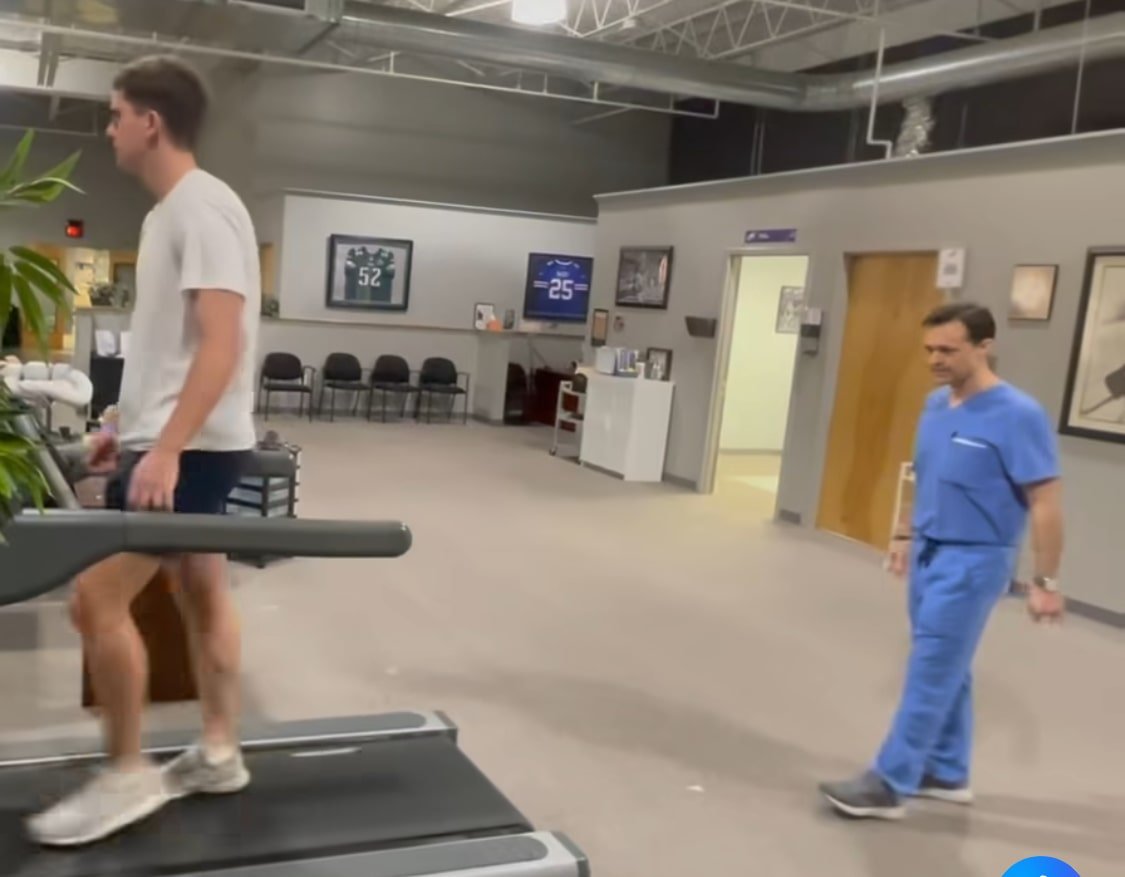
Prior to each season, lower body assessments and podiatric screenings ensure that past injuries are fully rehabilitated and that movement patterns are stable enough to handle high levels of extreme activity.

Performance Enhancement

While preventing injuries is essential, enhancing performance is equally important. When the lower body moves efficiently, energy is conserved, stride patterns are smoother, and explosive movements—such as sprints, jumps, and directional changes—become more powerful.

By eliminating small inefficiencies, athletes gain an advantage that can lead to increased performance in both the short term and the long run.

Career Longevity

Sports careers, regardless of the level, rely on consistency and durability. Just one preventable injury can set back weeks or even months of hard work. Incorporating preseason podiatric sports medicine screening and evaluations is not just about performance during the season; it’s an investment in the future.

Just as conditioning strengthens the body and practice sharpens skills, a thorough lower body exam ensures that the foundation of performance is solid. By prioritizing this proactive step, athletes can protect themselves from injury, maximize their performance, and set themselves up for success not only this season but for many more to come. Dr. Cohen Foot Exam
When the foundation is solid, athletes can focus on what matters most: playing the game they love with strength, confidence, and resilience.

To schedule your comprehensive biomechanical evaluation, contact us or call our Sports Medicine Podiatry Center and book an appointment at our Marlton, N.J. Sports Medicine Facility or Ridley Park, P.A. Office location with one of our podiatric sports medicine specialists today by calling (610) 522-9200.


UNDERSTANDING FOREFOOT VARUS: SYMPTOMS AND TREATMENT OPTIONS

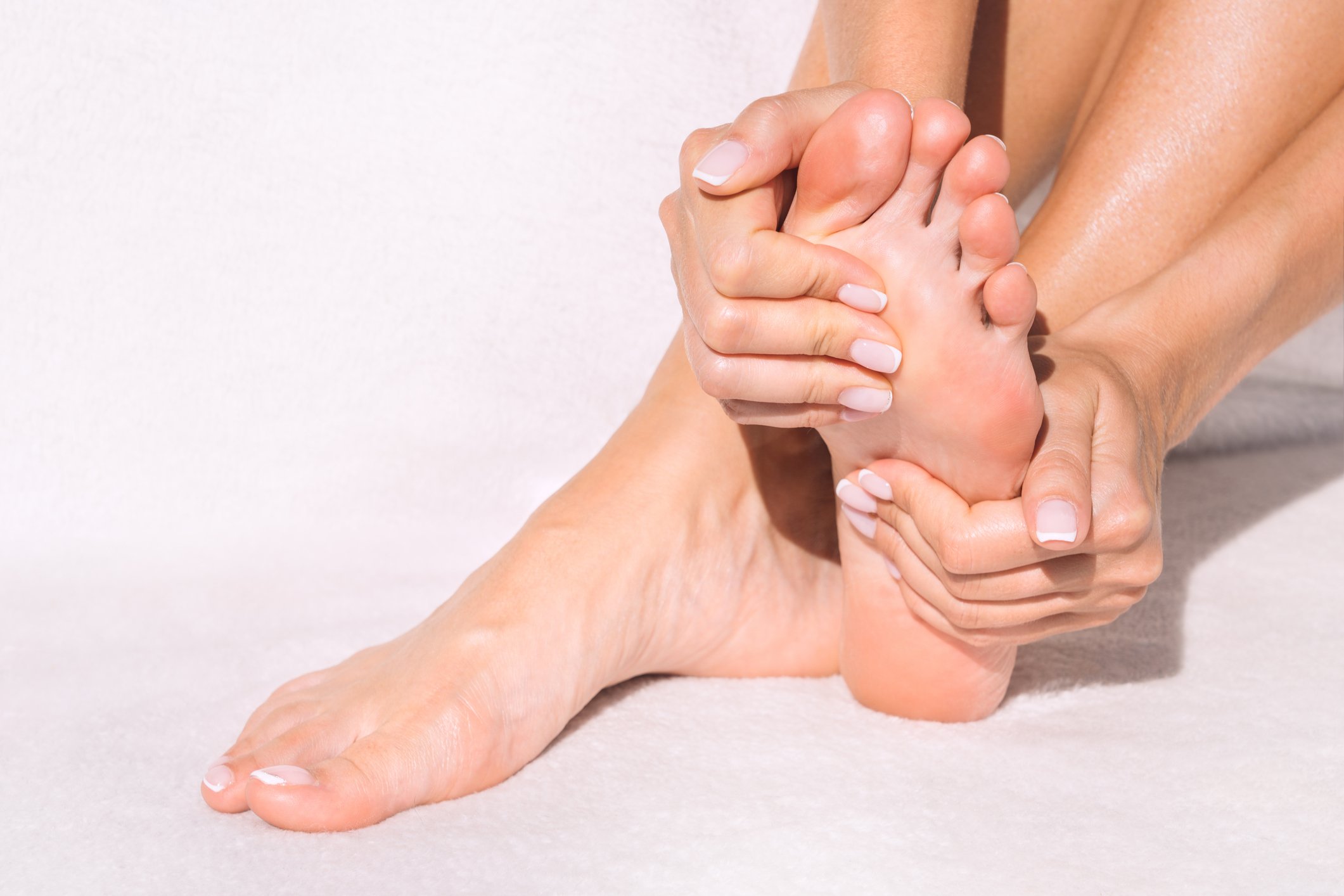
understanding forefoot varusOur feet are the foundation of our body’s movement, and when something is misaligned, it can throw everything off balance. One common but often overlooked structural issue is forefoot varus. If you're dealing with chronic foot pain, ankle instability, or even higher issues in your knees or hips, forefoot varus might be playing a role. Let’s dive into what this condition is, how it presents, and what you can do to treat it.
WHAT IS FOREFOOT VARUS?

Forefoot varus is a congenital foot deformity where the front part of the foot (the forefoot) is inverted relative to the rearfoot when the subtalar joint is in a neutral position. In simpler terms, the inside of the foot sits higher off the ground than it should, especially when standing flat. This misalignment can force the foot to compensate in ways that lead to pain and dysfunction.

COMMON SYMPTOMS OF FOREFOOT VARUS

Because forefoot varus causes your foot to compensate during walking or standing, it can lead to a wide range of symptoms — many of which may seem unrelated at first. Here are some of the most common:

Excessive Pronation - The most noticeable sign is overpronation — when the foot rolls inward too much during walking or running. This can affect the entire kinetic chain, from foot to hip.

Arch Pain or Collapse - The extra strain from overpronation can cause the arch to collapse, leading to flatfoot symptoms or discomfort along the medial (inner) part of the foot.

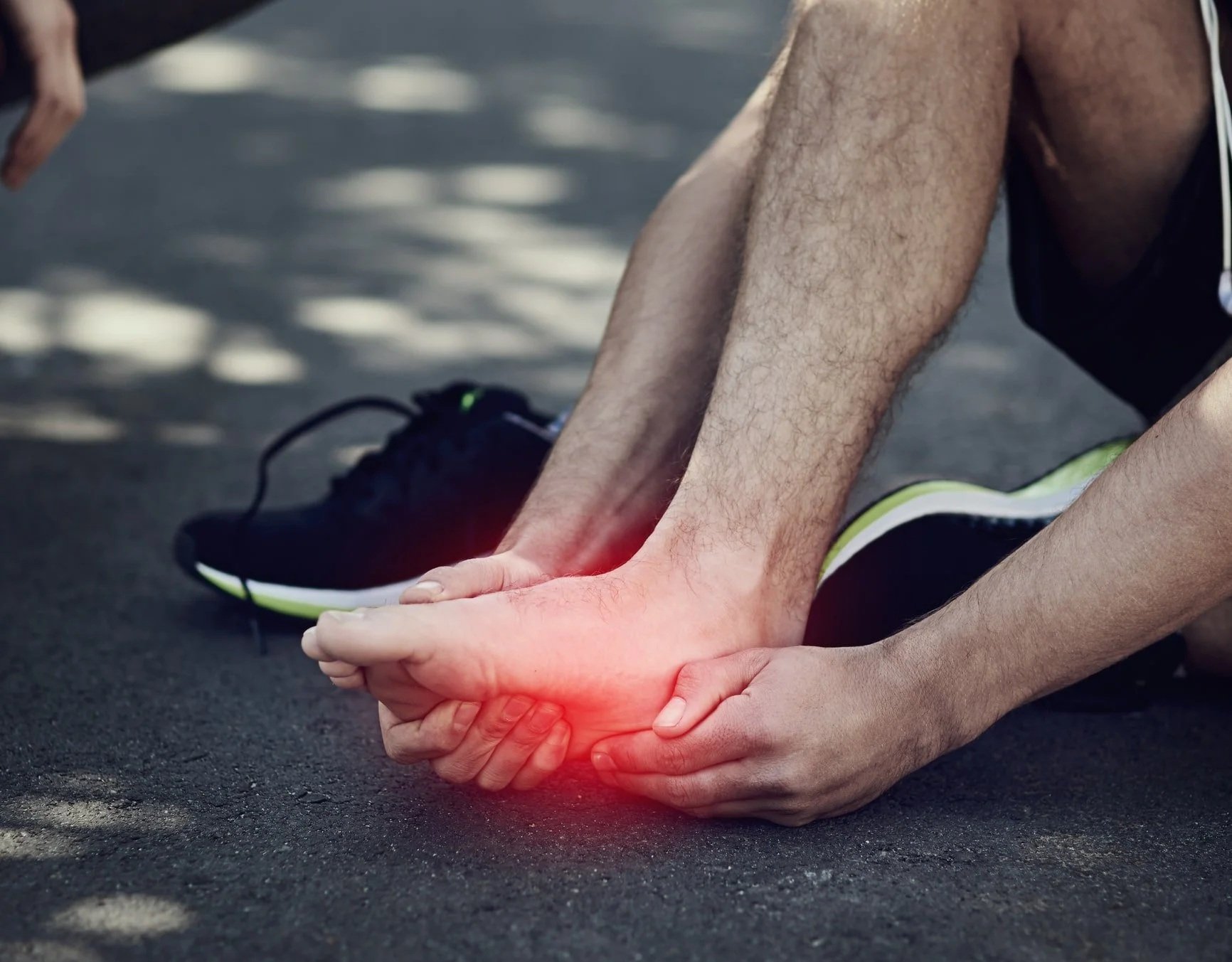
Plantar Fasciitis - The inward roll and arch strain can inflame the plantar fascia — the thick band of tissue running across the bottom of your foot — leading to heel pain.

Shin Splints or Knee Pain - The altered biomechanics can affect how your leg muscles work, potentially leading to shin splints or patellofemoral (knee) pain.

Metatarsalgia or Ball-of-Foot Pain - The uneven pressure on the forefoot may cause pain in the ball of the foot or under the toes.

Frequent Ankle Sprains  - Because the foot is less stable, especially on uneven ground, ankle instability and sprains are more common.

Calluses or Corns - Abnormal pressure points may form on the ball or inside of the foot, causing thickened skin or calluses.


DIAGNOSING FOREFOOT VARUS

A proper diagnosis usually involves a physical examination by a podiatrist, orthopedic specialist, or physical therapist. They’ll assess your foot alignment in a non-weight-bearing position and observe how your foot moves during walking. Sometimes, imaging or pressure plate analysis may be used to confirm the diagnosis and rule out other conditions. understanding forefoot varus 01


TREATMENT OPTIONS

The good news? Forefoot varus can be managed effectively with a combination of conservative treatments. Here are some common approaches:

Custom Orthotics - The cornerstone of treatment. A custom foot orthotic with forefoot posting can correct alignment and reduce abnormal pronation. Over-the-counter insoles rarely provide enough support for this condition.

Supportive Footwear - Wearing shoes with good arch support and motion control can help stabilize the foot and improve comfort during walking or exercise.

Physical Therapy - Targeted exercises can strengthen foot and ankle muscles, improve balance, and retrain your gait to reduce stress on your lower limbs.

Stretching - Tight calf muscles and Achilles tendons often accompany poor foot mechanics. Regular stretching can help reduce compensatory strain.

Activity Modification - Temporarily reducing high-impact activities (like running or jumping) can help reduce pain during a flare-up while you work on correction strategies.

Weight Management - Less weight on the feet means less stress on the joints and soft tissues, which is especially important when structural misalignments are present.

Surgical Intervention (Rare) - In severe or unresponsive cases, surgical correction may be considered, but this is typically a last resort.

Forefoot varus might not be a household term, but it’s a significant factor in many chronic foot and leg issues. If you’re experiencing recurring pain, unusual wear on your shoes, or postural imbalances, it’s worth having your foot structure evaluated. The earlier you address the problem, the easier it is to prevent long-term complications.

Your feet carry you through life — make sure they’re supported every step of the way.

If you or someone that you care for suffers from pain in the feet, ankles, knees, hips, and/or lower back, the pain may be due to misalignment caused by faulty biomechanics, which can be treated and corrected with the help of custom orthotic insoles. To schedule your comprehensive biomechanical evaluation, contact us or call our Sports Medicine Podiatry Center and book an appointment at our Marlton, N.J., Sports Medicine Facility or Ridley Park, P.A. Office location with one of our podiatric sports medicine specialists today by calling (610) 522-9200.

THE MECHANICS BEHIND RUNNERS' KNEE: UNDERSTANDING PATELLOFEMORAL PAIN SYNDROME

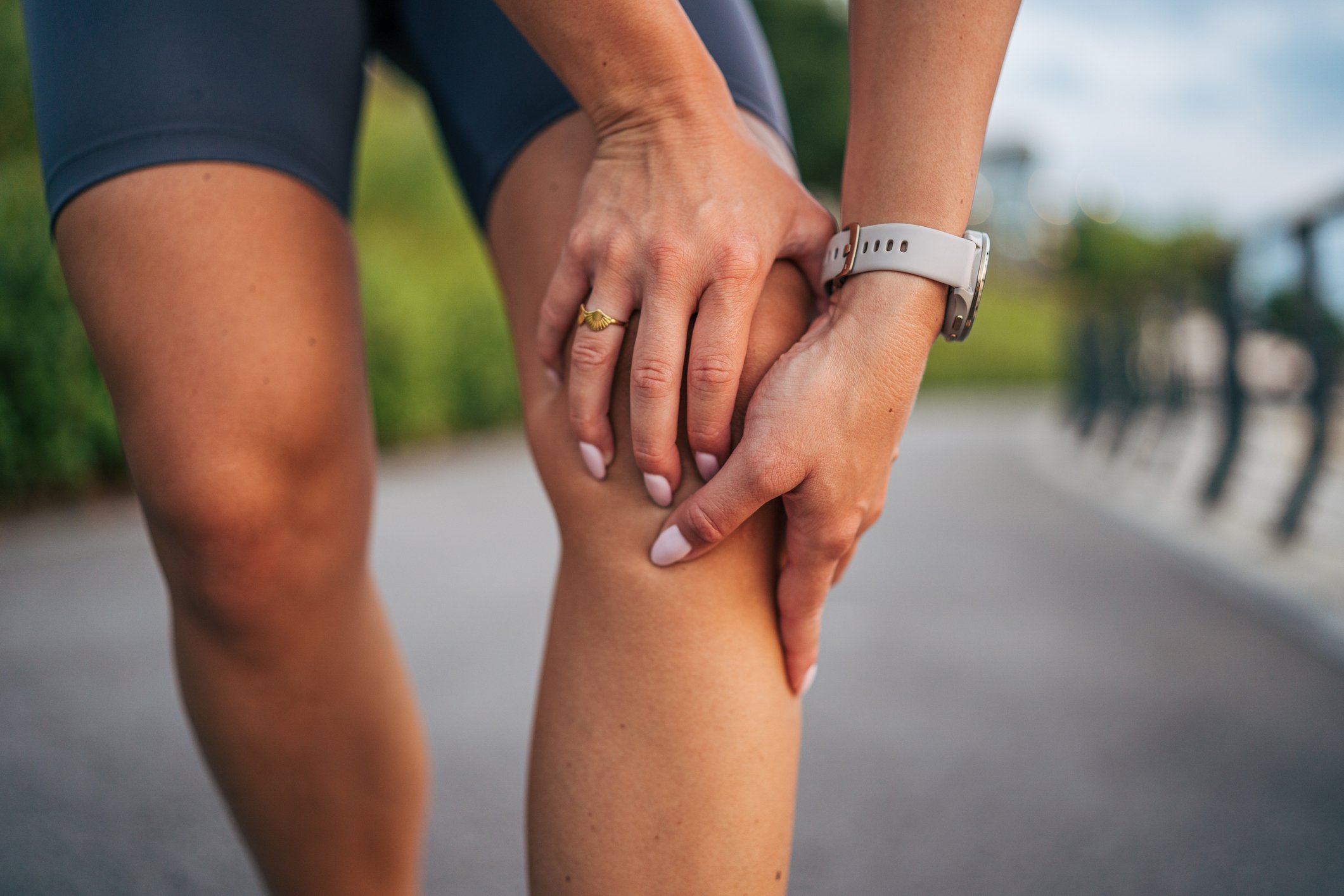
Runner knee pain introIf you've ever felt a nagging ache around your kneecap after a long run, hike, or even just going up and down stairs, you're not alone. This condition, commonly known as runner’s knee, is formally referred to as patellofemoral pain syndrome (PFPS). While it’s frequently associated with athletes, it can affect anyone whose movement patterns put extra stress on the knee joint.
Let’s break down what’s actually happening in the body that leads to this type of knee pain.

THE CHAIN REACTION: HOW THE PAIN DEVELOPS

Runner’s knee isn’t caused by a single injury. Instead, it's the result of a repetitive chain of motion breakdowns that puts the kneecap (patella) under constant stress. Here’s how that chain unfolds:

1. Foot Overpronation

When your foot excessively rolls inward while walking or running (a motion called pronation), it causes the leg to rotate in a way that throws off alignment from the ground up.

2. Internal Rotation of the Tibia and Femur

As the foot pronates, the tibia (shin bone) rotates inward. This movement causes the femur (thigh bone) to follow suit. Imagine your entire leg twisting subtly with each step you take—over time, this matters.

3. Pelvic Instability and Tilt

Misalignment doesn't stop at the leg. It often results in an anterior pelvic tilt and instability in the lumbo-pelvic-hip complex—a fancy term for the lower back and hips. When this area lacks proper stability, it fails to guide the leg’s movement effectively.

4. Quadriceps Muscle Imbalance

Now enter the quadriceps, the large muscles in the front of your thigh. When alignment is off, these muscles tend to pull the kneecap laterally (outward) instead of guiding it in a smooth up-and-down motion.

WHAT HAPPENS TO THE PATELLA?

Your kneecap (patella) sits in a natural groove at the end of your thigh bone and normally glides smoothly within this groove as you bend and straighten your leg. However, with excessive internal rotation and uneven muscle pull, the patella can shift out of alignment, moving outside its intended path. Instead of resting in the center of the V-shaped groove, it rides up on the outer (lateral) edge and grinds down on the inner (medial) edge. This misalignment can occur up to 10,000 times a day during routine activities like walking or climbing stairs. Runners knee athlete


THE DAMAGE ADDS UP

Over time, this abnormal movement pattern wears down the cartilage underneath the kneecap. To put it in perspective: The cartilage here is only about five cells thick—incredibly thin for the amount of stress it endures. As the cartilage erodes, the bones can begin to rub against each other. That’s when you start to feel pain—sometimes dull and aching, sometimes sharp and persistent.


WHAT CAN BE DONE?

Understanding the mechanics of runner’s knee is the first step toward treating—and more importantly, preventing—it. Addressing the root cause usually involves a combination of:

Custom Orthotic Insoles for corrective foot support

Targeted strength and stability exercises for the hips, glutes, and core

Stretching and mobility work for tight muscles that contribute to imbalance

Activity modification and physical therapy to re-educate movement patterns


THE BOTTOM LINE

Runner’s knee is more than just an overuse injury—it’s a mechanical issue involving your entire lower body. From your foot to your hip, each joint and muscle plays a role in keeping the knee tracking properly. When even one link in the chain falters, it sets the stage for pain and breakdown. Pain runners knee

The good news? With the right intervention, the cycle can be reversed, and you can move better, stronger, and pain-free.

If you or someone that you care for suffers from pain in the feet, ankles, knees, hips, and/or lower back, the pain may be due to misalignment caused by faulty biomechanics, which can be treated and corrected with the help of custom orthotic insoles.  To schedule your comprehensive biomechanical evaluation, visit drleecohen.com or call our Sports Medicine Podiatry Center and book an appointment at our Marlton, N.J. Sports Medicine Facility or Ridley Park, P.A. Office location with one of our podiatric sports medicine specialists today by calling (610) 522-9200.

ACL INJURIES – SCREENING AND PREVENTION TECHNIQUES

acl injuries introTorn ACLs are a serious and all-too-common injury, especially among athletes in cutting, pivoting, and jumping sports like soccer, basketball, and football. But what if we told you that many ACL injuries are preventable? At our sports medicine podiatry practice, we take ACL risk seriously and use a comprehensive screening approach that looks at the entire lower body, not just the knee.
Here’s a deeper look at some of the key physical traits and movement patterns we assess during an ACL screening:


Pelvis Morphology

Your pelvic structure—including its width, tilt, and alignment—can influence how forces are distributed down the leg. A wider pelvis, especially in female athletes, may contribute to a greater inward angling of the thigh (known as a high Q-angle), which can put more stress on the ACL during movement. 

Increased Femoral Anteversion

This refers to the twisting of the femur (thigh bone), which can cause the knees and feet to turn inward. Excessive femoral anteversion alters normal hip and knee alignment and can increase ACL injury risk, especially during pivoting or landing movements.

Internal Rotators of the Hip

We evaluate the internal rotation strength and mobility of muscles like the tensor fasciae latae (TFL) and adductors. Overactive or tight internal rotators can contribute to poor hip control, causing the knee to collapse inward, a significant risk factor for ACL injury.

Glute Max and Glute Medius Strength

These powerhouse hip muscles are essential for stabilizing the pelvis and controlling thigh movement. Weak glutes are strongly associated with knee valgus (the inward collapse of the knee) during athletic movements, which places excessive strain on the ACL. We assess the strength and activation patterns of these muscles during functional tests.

 Hamstring Strength

The hamstrings work to resist forward movement of the shin, helping to protect the ACL. When the hamstrings are weak relative to the quadriceps, the ACL is forced to take on more of the load during running and jumping. Strength testing helps identify this imbalance.

Hamstring Flexibility

Tight hamstrings can restrict proper movement mechanics and limit hip extension. This can alter the way an athlete runs, jumps, and lands, potentially increasing ACL stress. We assess hamstring flexibility with functional range-of-motion tests.

Quadriceps Strength

Strong quads are essential, but imbalances between the quads and hamstrings can be problematic. If the quads overpower the hamstrings, the tibia (shinbone) is pulled forward too forcefully, increasing ACL strain. We measure quadriceps strength and examine the strength ratios between the front and back of the thigh.

Quadriceps Flexibility

Tight quads can limit hip and knee movement, altering gait and jumping mechanics. Tightness can also affect pelvic positioning and contribute to compensations elsewhere in the kinetic chain that affect ACL loading. 

Knee Position and Movement Control

We closely observe how the knees align and move during tasks like squats, single-leg hops, and drop-jumps. Do the knees collapse inward? Are they stable? Poor control or faulty mechanics here can signal high risk for ACL injury, especially in sports that require rapid deceleration.

Ligament Laxity (Hyperextension of the Knee)

Some individuals naturally have more joint laxity or “looseness” in their ligaments. We test for knee hyperextension and general joint flexibility to see whether the ACL may be more vulnerable to overstretching or tearing during high-intensity activity.

Limb Length Discrepancy

Even a slight difference in leg lengths can affect gait, posture, and loading patterns through the pelvis, knees, and ankles. Over time, this can lead to compensations that increase ACL strain. We assess for discrepancies through physical exam and gait observation.

Foot Type

Your foot structure—whether you have high arches, flat feet, or somewhere in between—can influence how the rest of your body aligns during movement. Certain foot types can promote excessive inward collapse (pronation), which travels up the leg and affects the knee.

Forefoot Pronation

We evaluate the front part of your foot to see how it collapses or rotates during weight-bearing activities. Excessive forefoot pronation can destabilize the entire kinetic chain and contribute to the inward collapse of the knee during athletic movements, again increasing ACL risk.

Why It Matters

All these factors are interconnected. Your body is a system, and a minor issue in your foot or hip can create a cascade of compensations that lead to excessive strain on your ACL.

By identifying muscle imbalances, joint laxity, poor movement patterns, and anatomical risks, we can intervene before injury happens. That might include a personalized strength and conditioning plan, custom orthotics, flexibility work, or movement retraining.

If you or your athlete is involved in high-risk sports—or has a history of ACL injuries—it’s worth taking a proactive approach. Our ACL screening protocol is designed to give you answers, reduce risk, and support long-term performance.

Curious about your ACL risk profile?

Schedule a screening today and take the first step toward safer, stronger movement. Call our offices located in Marlton, N.J. or Ridley Park, PA. or reach out via our contact form today to schedule your complete biomechanical assessment and comprehensive examination at (610) 522-9200.

WHY DOES MY HEEL HURT? UNDERSTANDING HEEL PAIN AND WHAT YOU CAN DO ABOUT IT.

heel pain introIf you're reading this, it's likely that your heel pain has become more than just a minor annoyance. Perhaps it's interrupting your workouts, making daily walks uncomfortable, or even causing discomfort first thing in the morning before your feet hit the floor. You’re not alone.
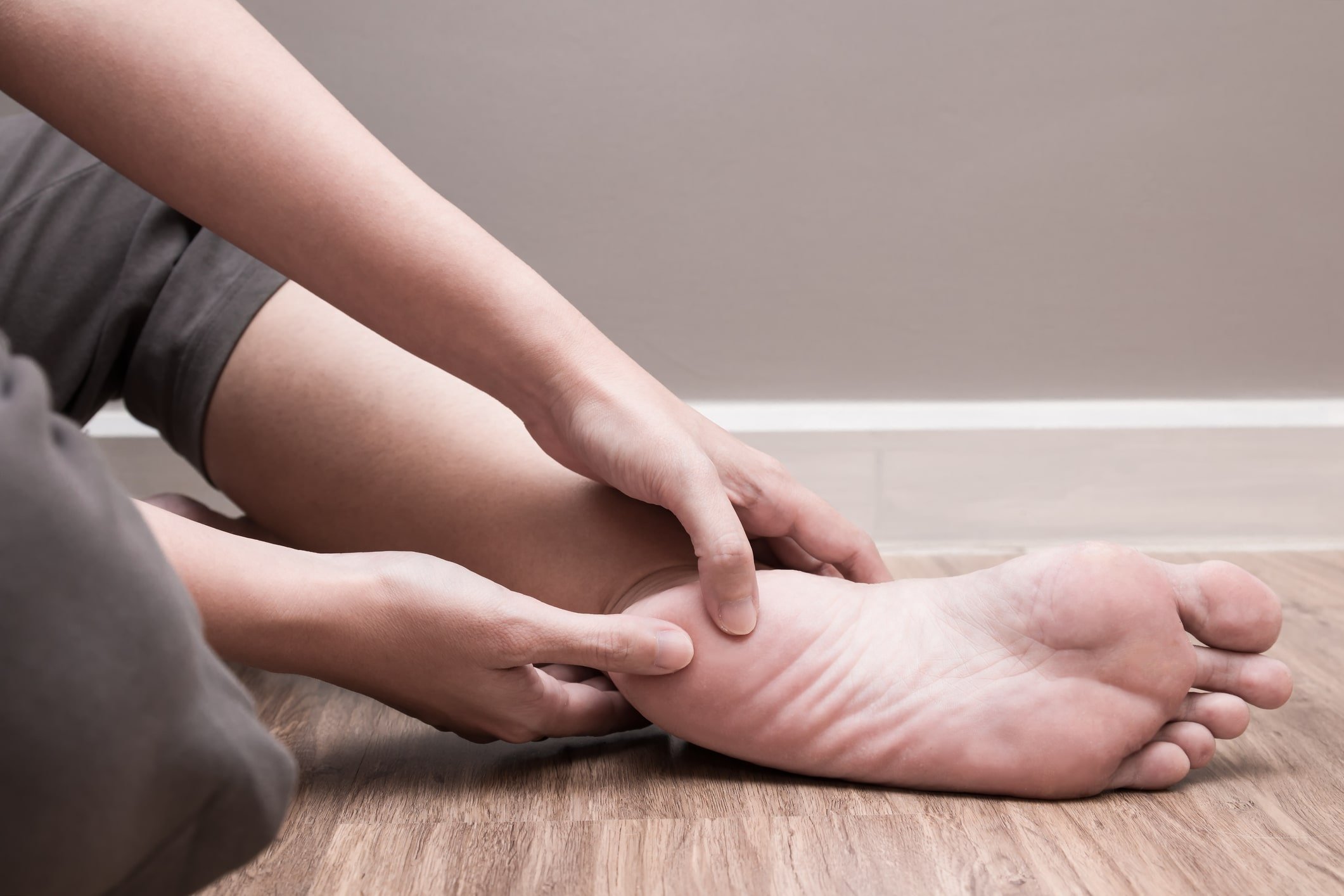
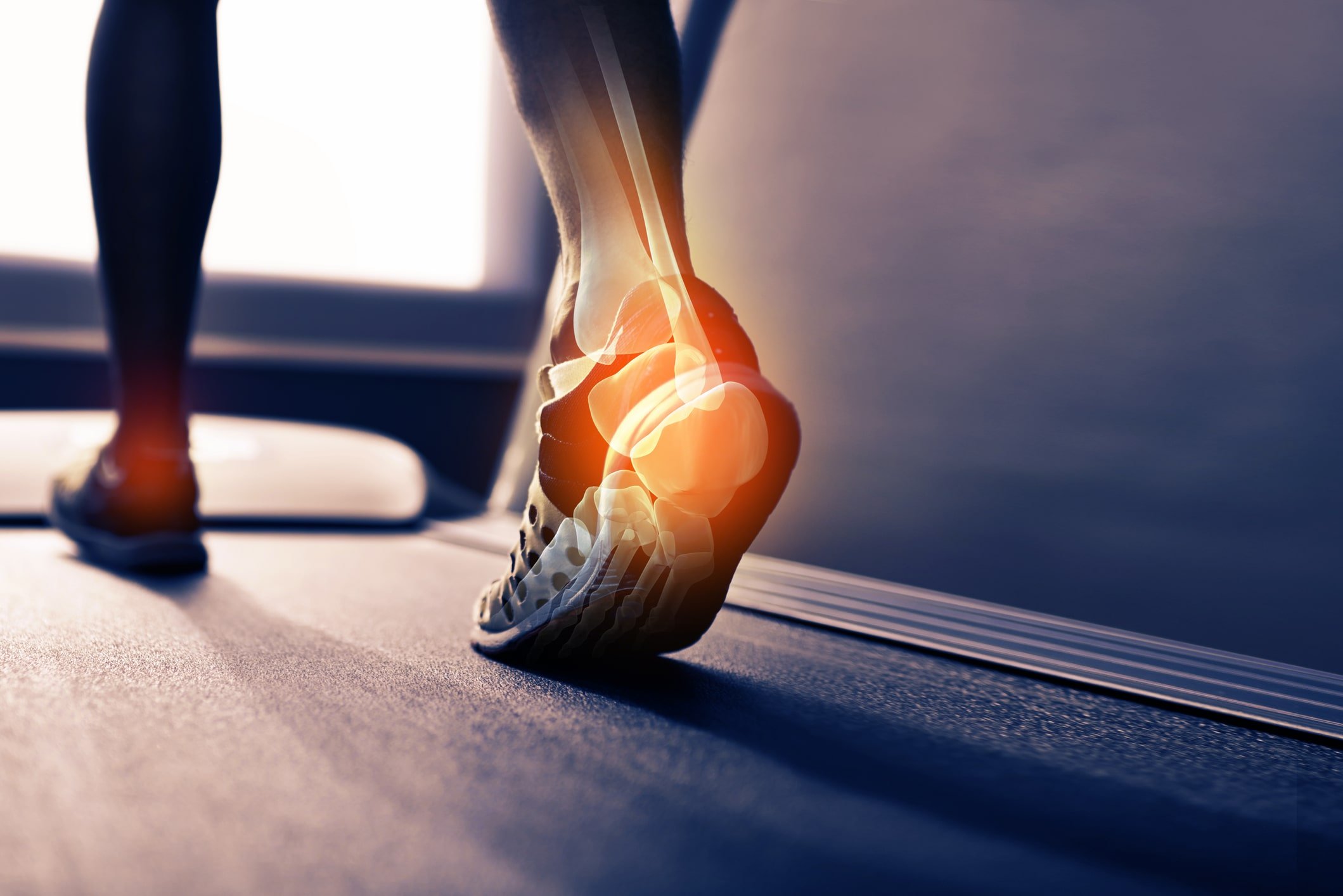
Heel pain is one of the most common complaints in our sports medicine podiatry practice, and the good news is that most causes are treatable with the right care and understanding. Let’s break down what might be going on, what signs to look for, and when it’s time to see a specialist.


The Most Common Cause: Plantar Fasciitis

The most frequent cause of heel pain is a condition known as plantar fasciitis. This occurs when the plantar fascia - a thick band of tissue that runs along the bottom of the foot—becomes irritated or inflamed. People with plantar fasciitis often experience sharp, stabbing pain at the bottom of the heel, particularly with their first steps in the morning.

While the discomfort may improve with movement, it frequently returns after long periods of standing or sitting. Tenderness may also be present along the arch or sole of the foot.

Several factors can contribute to the development of plantar fasciitis, including overuse from sports or physical activity, having flat feet or high arches, wearing shoes that lack proper support, or a sudden increase in activity levels. Heel Pain Foot Floor

Other Possible Causes of Heel Pain

While plantar fasciitis is the most common reason for heel discomfort, several other conditions can also be responsible.

Achilles tendinitis, for instance, causes pain in the back of the heel due to inflammation of the Achilles tendon - the strong band that connects the calf muscles to the heel bone. It frequently affects runners, active individuals, or anyone who increases their activity level too quickly without proper stretching or warm-up.

Heel spurs are another potential cause; these small bony growths form on the heel bone and often appear alongside plantar fasciitis, though they don’t always cause pain on their own. Stress fractures—tiny cracks in the heel bone—can result from repetitive impact, especially in runners or athletes engaged in high-impact sports.

Lastly, bursitis involves inflammation of the bursae, fluid-filled sacs in the heel, which can become irritated from prolonged standing on hard surfaces or wearing shoes that lack adequate support. 


When Should You See a Specialist?

If your heel pain persists for more than a week or two, worsens over time, interferes with your ability to walk or exercise, and/or occurs with swelling, redness, or numbness, it’s time to consult a sports medicine podiatrist. Heel pain is not something you have to live with. The earlier we evaluate what’s going on, the sooner we can create a personalized treatment plan to get you moving comfortably again. heel Pain Walking


What to Expect From a Sports Medicine Podiatry Visit

At our office, we take a comprehensive look at your symptoms, lifestyle, and biomechanics. Treatment often includes:

Custom orthotics or footwear recommendations

Stretching and strengthening exercises

Manual therapy or sports taping

Ultrasound or shockwave therapy

Guidance on training modifications or return to sport

In rare cases where conservative care doesn’t provide relief, we explore minimally invasive procedures or other advanced treatment options.


Don’t Ignore Your Heels—They Work Hard for You

Your heels absorb a tremendous amount of impact every day. When they hurt, it’s a signal from your body that something isn’t functioning quite right. Whether you’re a weekend warrior, a competitive athlete, or someone who just wants to get through the day pain-free, we’re here to help.

If you or someone that you care for suffers from pain in the feet, ankles, knees, hips, and/or lower back, the pain may be due to misalignment caused by faulty biomechanics, which can be treated and corrected with the help of custom orthotic insoles. 

To schedule your comprehensive biomechanical evaluation, contact us or call our Sports Medicine Podiatry Center and book an appointment at our Marlton, N.J. Sports Medicine Facility or Ridley Park, P.A. Office location with one of our podiatric sports medicine specialists today by calling (610) 522-9200.

scroll to top