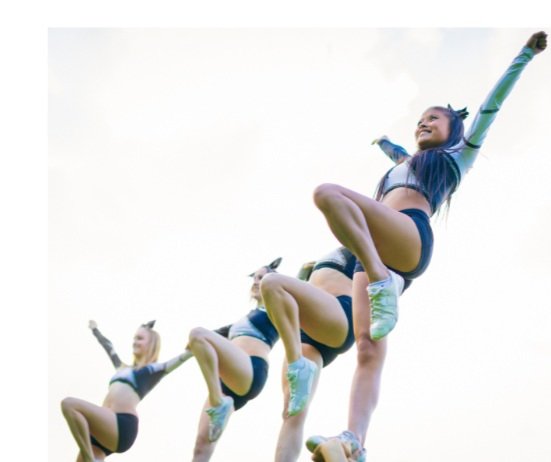
AVOIDING CHEERLEADING INJURIES: CHEER RANKED 16TH AMONG SPORTS WITH HIGHEST NUMBER OF INJURIES

cheerleading injury cheer introAt the offices of Dr. Lee S. Cohen and Associates, our team of sports medicine podiatry specialists realize that cheerleading has evolved into an athletic activity that requires more precision and higher-level skills than ever before, as gymnastics and stunts are more prevalent and are continuously replacing traditional cheer moves and cheerleading styles. Due to the increased difficulty of stunts, cheerleading-related injuries have been reaching and exceeding record numbers.

“The risk connected to cheerleading continues to rise as the difficulty of skills performed increases.” - Brittany Bower, Cronkite News

A recent study showed that cheerleading was ranked 16th among sports with the highest number of injuries. And, unlike other sports, cheerleading is a year-round activity, so cheerleaders practice and perform longer without as much of an off-season as other sports, making them more prone to developing overuse injuries.

“The sport was responsible for 65 percent of direct catastrophic injuries to female high school athletes during a 27-year period, according to a 2012 study by the American Academy of Pediatrics. This supported a 2009 report from the National Center for Catastrophic Sports Injury Research at the University of North Carolina that concluded cheerleading accounted for 65.2 percent of all catastrophic injuries in youth sports. -Brittany Bower, Cronkite News, The flipside of cheerleading: a prevalence of catastrophic injuries. cheerleading injury 01 flip
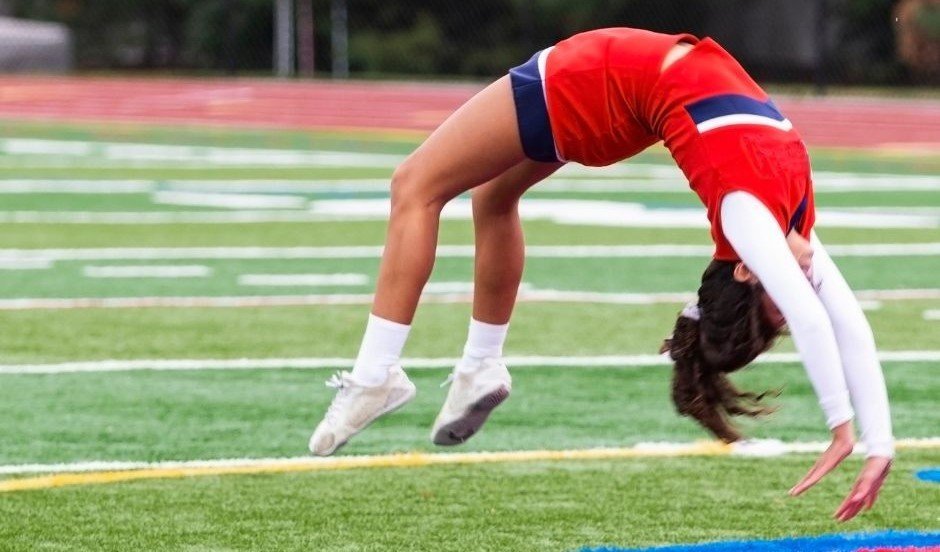
The most common cheerleading injuries include strains and sprains which account for half of all cheerleading injuries. Of these, ankle sprains are the most common followed by strains or sprains of the neck, lower back knee, and wrist.

 Stunts which include lifting fellow cheer teammates above the head as well as tumbling and dismounting, while twisting and rotating, can all play significant stress on the lower back which can lead to back pain and serious injuries including stress reactions of the vertebrae (bones that make up the spinal column). If the stress reaction worsens, a stress fracture can occur on both sides of the vertebrae.  From there the bone can become weakened and unable to maintain its proper position. If that vertebrae slips out of place the result could lead to a condition called spondylolisthesis. Those who are genetically predisposed to spondylolisthesis are at greater risk.


Athletes who are Flatfooted (those who have the condition called Flatfeet) are more prone to incurring serious injuries and are more likely to develop ongoing problems and conditions related to the back and spine. cheerleading injury 02 cheer stunt

Due to the increased risk of injury and ongoing issues outlined above (and more), it is crucial for cheerleaders, their parents, coaches, and trainers to understand the importance of proper lower extremity biomechanics and have proper neurological training and proprioceptive training, as well as having a history of any injuries which may predispose them to further injuries.

If you or a family member or friend has been experiencing injuries while training for cheerleading, or during a cheerleading event, please call us so that we can begin the appropriate biomechanical neurological testing and screenings that we have designed, specifically, to meet the needs of those athletes who participate in cheerleading activities.  


cheerleading injury 03 cheer coach

 Contact Dr. Lee S. Cohen & Associates and let us help with all your podiatric sports medicine needs of the lower body extremity. Our doctors are experienced and dedicated sports medicine podiatrists who provide high-quality individualized care. Call us today at (610) 522-9200 or visit us online to make an appointment at our conveniently located offices in Ridley Park, PA. and Marlton, N.J.


DR. COHEN’S FIELD HOCKEY SHOE LIST - 2024

DR. COHEN’S 2024 FIELD HOCKEY SHOE LIST HOT OFF THE PRESSES.

OSAKA IDO, MIZUNO, ASICS, AND MORE.


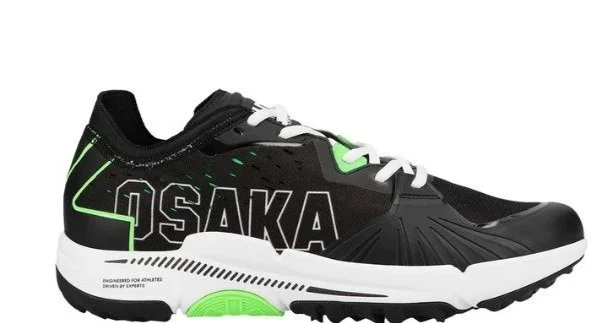
OSAKA IDO TURF SHOE

field hockey shoe list OsakaIdo

The most advanced new shoe with changes in the midsole of the shoe.  The company calls it decoupling.  Decoupling is when you apply a particular force to the bottom of the shoe so that it separates front to back allowing the shoe to have more contact with the ground when you need it and where you need it. 

  • Great for quick change of direction in play, but not unstable.
  • Good durable mesh upper part of the shoe.  Very lightweight.
  • Good toe box protection.
  • Multi-directional cleat for traction.
  • Built on what’s called an anatomical last, in fact, it’s the first field hockey shoe ever to be built using an anatomical last.  Traditional lasts are (flat-bottomed) whereas an anatomical last contours to your individual foot.


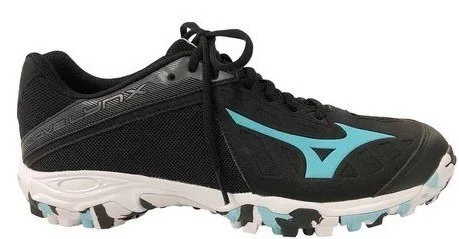
MIZUNO WAVE LYNX TURF SHOE

field hockey shoe list MizunoWaveLynxTurfShoe

  • Unique wave midsole technology which provides both cushioning and stability.
  • Parallel wave uniformly disperses shock throughout and sole provides excellent cushioning and enhances stability.
  • Aggressive outsole designed specifically for the foot’s movement in field hockey.
  • Great for lateral movement support with good turf grip and fast acceleration.


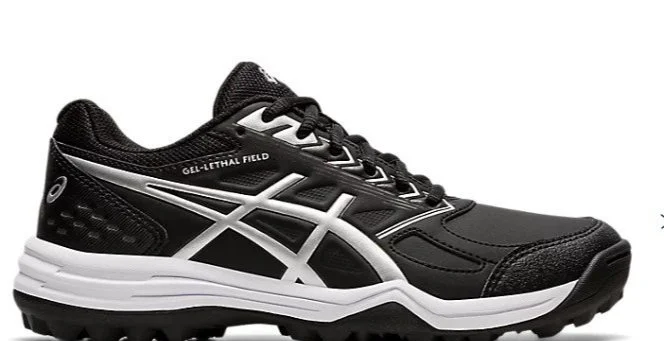
ASICS GEL LETHAL FIELD TURF SHOE

field hockey shoe list AsicsGelLetal

  • Great gel feel in the rearfoot and forefoot with the gel strategically placed for superior padding.
  • Great pivot support for directional changes on the field.
  • Strategically placed flexed grooves in the outside for nimble movements.
  • Multi- studs on the edges which deliver enhanced traction.


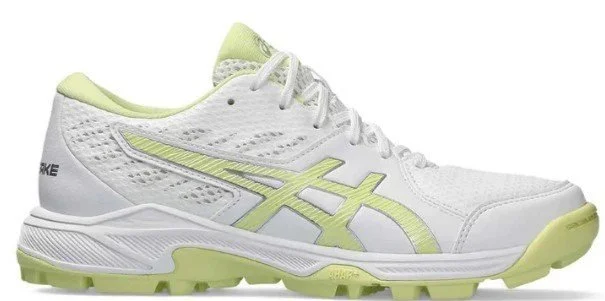
ASICS GEL PEAKE TURF SHOE

 field hockey shoe list AsicsGel Peake

  • Durable construction and advanced stability which can help an excessively flat-footed player.
  • Synthetic leather overlays and reinforced panels that provide midfoot support.
  • Gel technology throughout to absorb shock.
  • Flex grooves in outside allow for agile movement as well as smooth pivoting.


IS YOUR YOUNG ATHLETE SUFFERING FROM FOOT PAIN, ANKLE PAIN, OR COMPLAINING OF LOWER BODY PAIN?

young athelete introWhen your child comes home from sports practice, do they often complain of pain in their foot, ankle, knee, leg, hip, or lower back? Does the pain go away after resting, only to return once they start being active again?
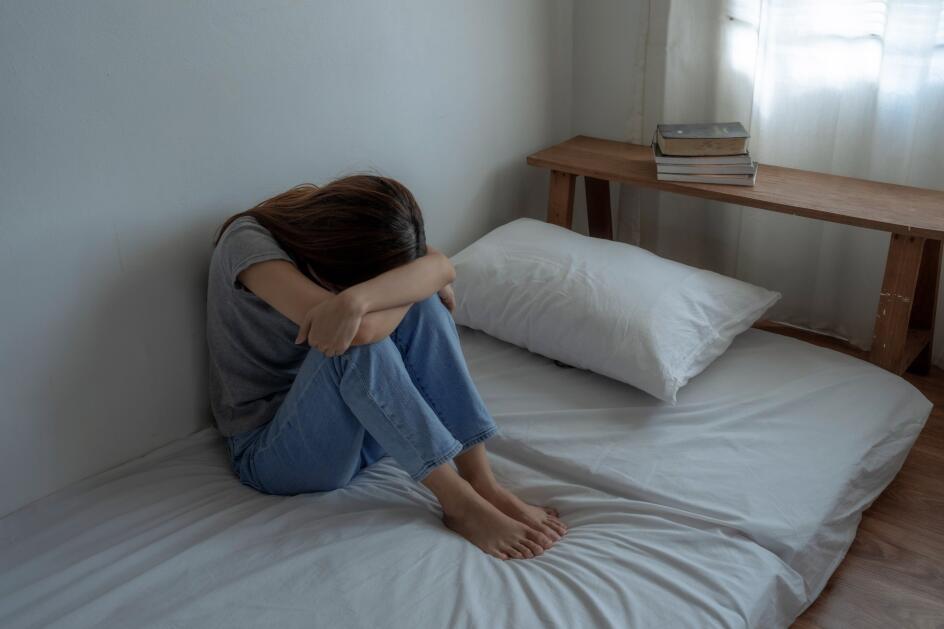
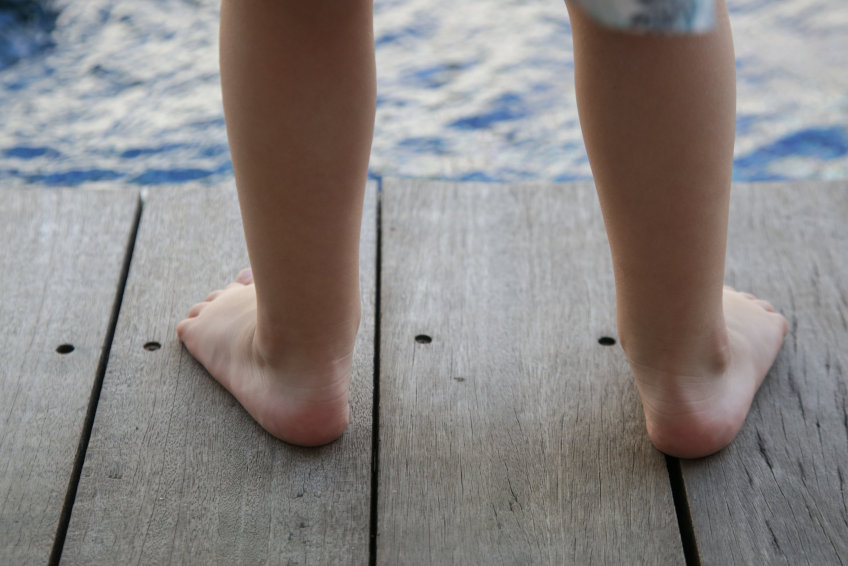
If your child is experiencing foot pain, ankle pain, and/or pain in the lower body, there could be various reasons such as overuse and poor biomechanics. Simply resting will not resolve the problem. It's important to address this issue by evaluating their posture, foot mechanics, and training techniques.

The main cause of these problems is poor mechanics of the foot and ankle. When they are unable to support the rest of the body, they compensate by putting excess abnormal pressures on the hip, knees, legs, and back. Misalignment causes strain, which in turn causes pain. This can lead to various foot conditions such as plantar fasciitis, heel spurs,and Achilles tendon problems. Even the smallest misalignment in the foot can cause significant pain or discomfort and can lead to other foot conditions such as bunions, hammertoe, and corns.  young athelete 01

While some issues may be more obvious than others, the good news is that most of them can be effectively treated with a custom orthotic. Our custom orthotics, also known as "Every Foot and Ankle’s Secret Weapon," are designed to relieve foot pain and promote normal foot development for children as they grow into adulthood. To illustrate, think of how eyeglasses and contact lenses correct vision or how braces help align teeth. Custom orthotics are inserts that fit into your shoes and are specially molded to correct foot mechanics issues. They reduce abnormal motion while walking or running and evenly distribute pressure on the soles of your feet. These orthotics not only provide arch support but also realign the foot's structure, similar to how braces work for teeth. By improving foot structure, custom orthotics can help prevent bone misalignment, as well as tendon and ligament fatigue. As the foot makes contact with the ground, the orthotics gently guide the foot into the correct position, reducing pain and preventing inflammation.

Make sure to take care of your child's body structure, especially their feet, which serve as their body's foundation. Bring your child in for a comprehensive evaluation at our Marlton, N.J. or Ridley Park, PA. Sports Medicine Podiatry Centers to help them avoid reinjury and build a stronger foundation for the future. To schedule an appointment, please call our office at (610) 522-9200 or email us at This email address is being protected from spambots. You need JavaScript enabled to view it., and visit our website at www.drleecohen.com.

WHAT IS PEDIATRIC FLATFOOT?

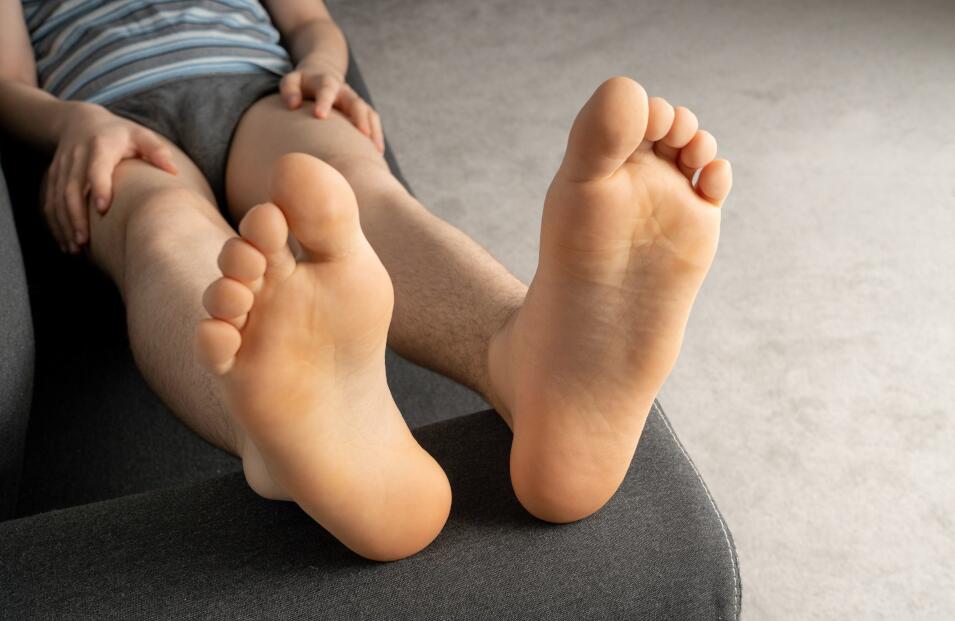
 flatfoot introFlatfoot is common in both children and adults.  When this deformity occurs in children, it is referred to as pediatric flatfoot.  Although there are various forms of flatfoot, they all share one characteristic - partial or total collapse of the arch.
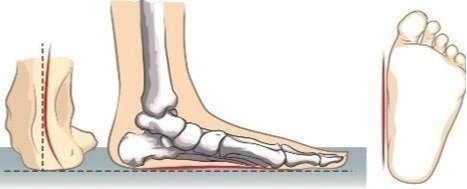
Pediatric flatfoot can be classified as symptomatic or asymptomatic.  Symptomatic flatfeet exhibit symptoms, such as pain and limitation of activity, while asymptomatic flatfeet show no symptoms.  These classifications can assist your sports medicine podiatry specialist determine an appropriate treatment plan.

Symptoms

Flatfoot can be apparent at birth or it may not show up until years later. Most children with flatfoot have no symptoms, but some may have one or several symptoms. Some symptoms a child may experience are pain, tenderness, or cramping in the foot, leg, or knee. They may also notice decreased energy in wanting to participate in any physical activities or even total withdrawal from any activity.  Another symptom is outward tilting of the heel resulting in awkwardness or a change in a child’s walking.   flatfoot 01

Professional treatment of flatfeet will depend on the severity and cause of the problem. It’s vital to have flatfeet examined by a podiatrist because it can lead to more serious problems like heel spurs, ankle, or knee pain, or arthritis.                                                                                                              

If you or someone that you care for suffers from pain in the feet, ankles, knees, hips, and/or lower back, the pain may be due to misalignment caused by faulty biomechanics (such as flatfeet) which can be treated and corrected with the help of custom orthotic insoles.  To schedule your comprehensive biomechanical evaluation, use our contact form or call our Sports Medicine Podiatry Center and book an appointment at our Marlton, N.J. Sports Medicine Facility or Ridley Park, P.A. Office location with one of our podiatric sports medicine specialists today by calling (610) 522-9200.

scroll to top