DR. COHEN’S FIELD HOCKEY TURF SHOE LIST

DR. COHEN’S FIELD HOCKEY TURF SHOE LIST HOT OFF THE PRESSES.

OSAKA, ASICS, GRYPHON, AND MORE!

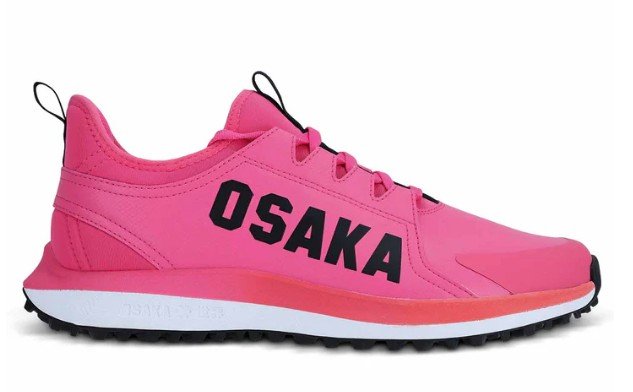
OSAKA FURO TURF SHOES

field hockey OsakaFuroTurfShoes
-Lightweight, sturdy build

-High-quality PU upper with double layer 

-Lace closure built for a custom fit

-High-Quality EVA Hardness 65C to maximize stability

-Fit true to size – unisex


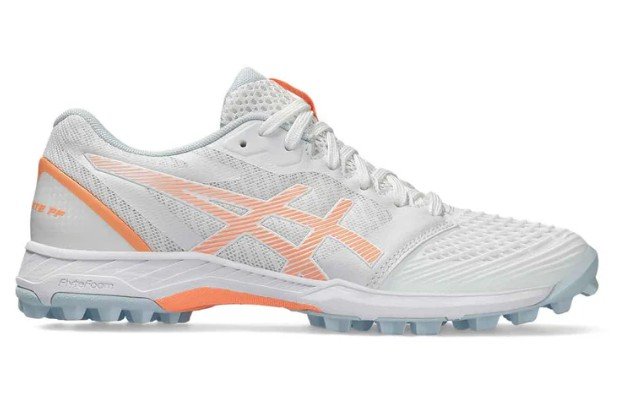
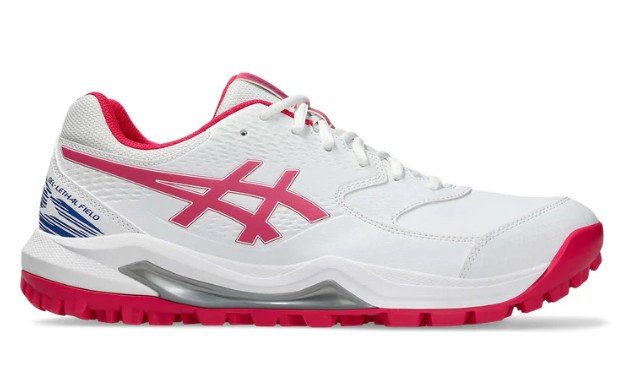
ASICS GEL-LETHAL FIELD 2 TURF SHOES

field hockey AsicsGel LethalField2-TRUSSTIC™ support system helps improve stability

-Forefoot flex grooves for smoother transitions

-Flex grooves in the outsole improve flexibility

-Rubber outsole increases traction when pivoting


ASICS FIELD ULTIMATE FF 2 TURF SHOES

field hockey AsicsFieldUltimateFF2-Super lightweight

-Rearfoot GEL technology for impact absorption

-Midsole provides lightweight cushioning

-Rubber outsole for improved durability


GRYPHON AERO FLYTE 2 TURF SHOES

field hockey GryphonAeroFlyte2- Lightweight design

-Toe reinforcement for improved toe and forefront protection

-Forefoot Flex Pro

-Power Grip

-EVA Mid-Sole

-Multi-Stud Configuration


GRAYS AERO CAGE X TURF SHOE

 field hockey GraysAeroCageX-Agility-speed-control outsole

-Key Flex grooves promotes smooth transition

-Low profile foot position

- Large strong lateral cleats 


SOURCE & PHOTO CREDITS:

LONGSTRETH.COM

Dr. Lee S. Cohen and Associates, Sports Medicine Podiatry Center and Home of the "Secret Weapon" Custom Orthotic Insole, treats foot pain, ankle pain, and painful conditions of the knees, legs, hips, and lower back in athletes and individuals of all ages. Our Sports Medicine Podiatry Center provides specialized injury and prevention treatment for the feet, ankles, and lower body extremities, biomechanical performance enhancement, pediatric podiatry, and general non-invasive podiatric foot and ankle medical treatment as well as surgical solutions for individuals and their families.

Call our offices located in Marlton, N.J. or Ridley Park, PA. or reach out via our contact form today to schedule your complete biomechanical assessment and comprehensive examination at (610) 522-9200.

COMMON BIOMECHANICAL ISSUES OF THE LOWER EXTREMITY

biomechanical issues introOveruse Injuries

Overuse injuries do not result from a single traumatic event but rather from repeated stress to a specific area over time. Excessive, repetitive motion places significant strain on the feet, ankles, legs, knees, hips, and lower back. Athletes are particularly susceptible to these types of injuries due to the repetitive nature of their physical activities.

Common overuse injuries include:

Ankle Sprains

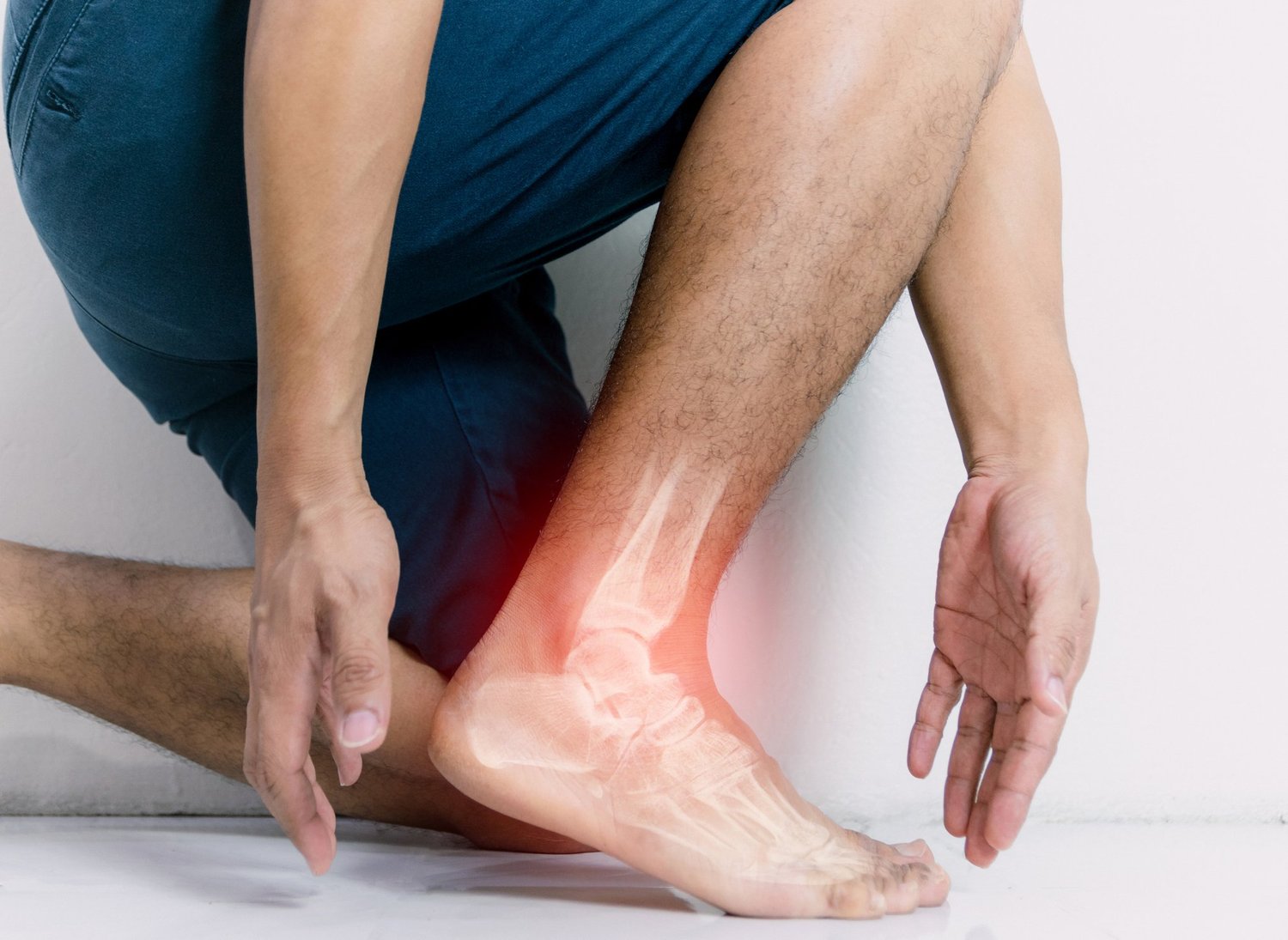
An ankle sprain involves a tear or disruption in a ligament, whereas a strain refers to inflammation or minor injury that does not result in a tear. Although ankle sprains are typically considered traumatic injuries, some individuals are biomechanically predisposed to them. If the foot is not aligned front to back, due to either an inversion or eversion deformity, this imbalance can increase the risk of sprains or strains.

Ligaments are strong bands of tissue connecting bones at joints. Sprains often occur when the foot rolls outward rather than inward, stressing the ankle's supporting ligaments. Ankle sprains are common in nearly all sports, whether contact or non-contact, and can range in severity. Recovery time may vary from five days to six weeks, depending on the extent of the injury.

Anterior Cruciate Ligament (ACL) Injuries

ACL injuries occur when the anterior cruciate ligament in the knee is overstretched or torn. These injuries can occur during both contact and non-contact events, often resulting from a twisting force or hyperextension of the knee. Another mechanism involves the femur being forced across the tibia during a sudden stop or shift in weight. biomechanical issues Foot ankle pain exam
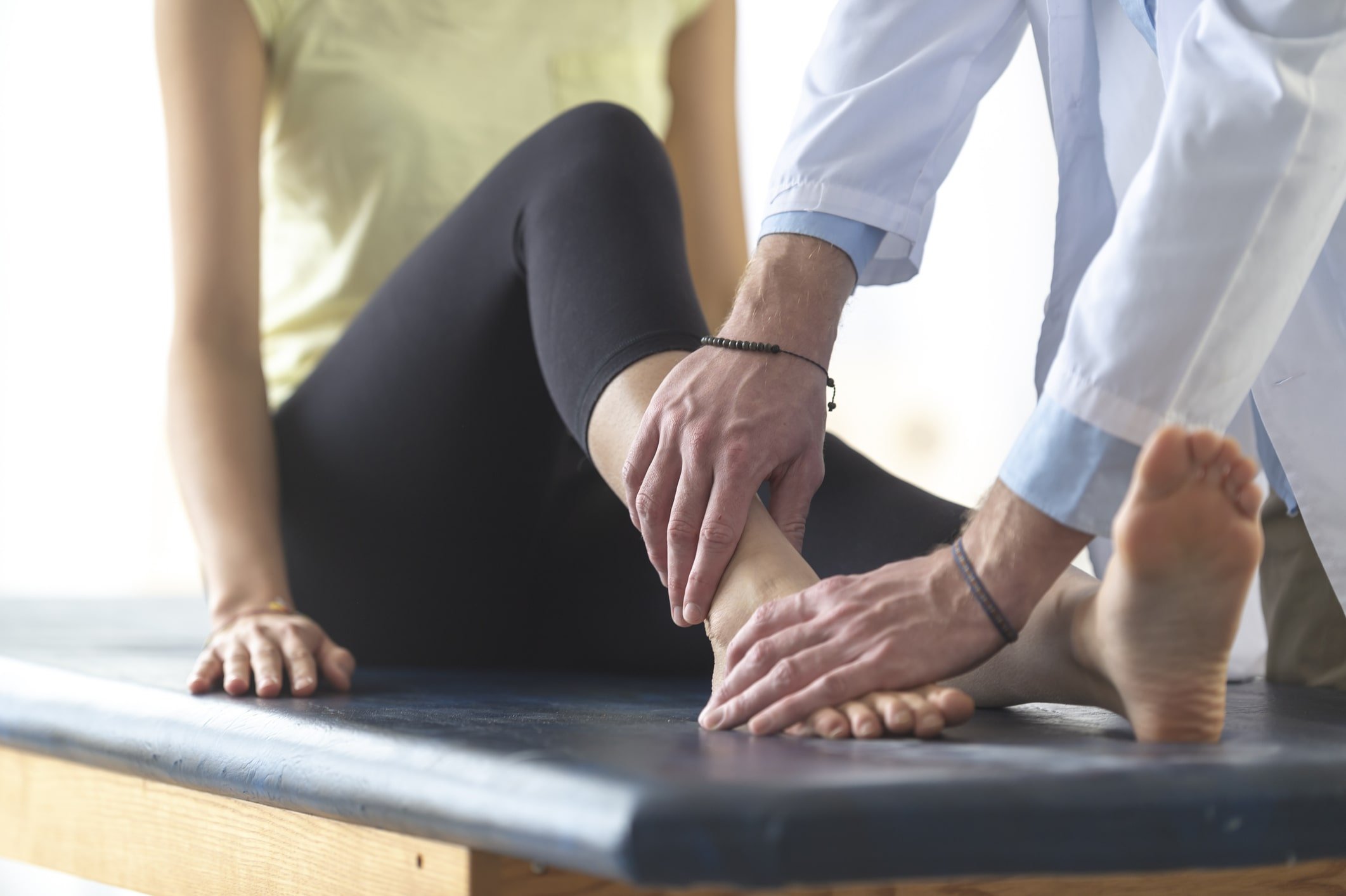
Athletes with flat feet or pronated foot types are more prone to non-contact ACL injuries. Excessive or rapid pronation increases tension in the ACL—a condition known as preload tension—making it more vulnerable to tearing. Additionally, limb alignment, such as being "bow-legged" (genu varum), should be assessed, as it may increase the risk of anterior cruciate ligament (ACL) injury. Corrective exercises and custom orthotics can help reduce abnormal loading on the ACL and prevent injury.

Achilles Tendinitis

The Achilles tendon is formed by the convergence of the deep and superficial calf muscles and attaches to the back of the heel. With age, the Achilles tendon receives less blood supply, making it more susceptible to inflammation, tears, and degeneration.

This condition is especially common in individuals with flat feet or high arches. In flat-footed individuals, the inward rolling of the leg causes a wringing effect, like twisting a wet towel, that impairs blood flow to the tendon. Achilles tendinitis can be acute or chronic and is often associated with overuse. Treatment includes physical therapy, muscle re-education, and correction of foot mechanics with custom orthotic devices

Patellofemoral Pain Syndrome (Runner’s Knee)

Patellofemoral pain, often referred to as anterior knee pain or runner's knee, affects both young and older athletes. It presents as a burning sensation between the kneecap and thigh bone and is typically caused by faulty biomechanics in the lower extremities, particularly at the foot and ankle. biomechanical issues runners knee
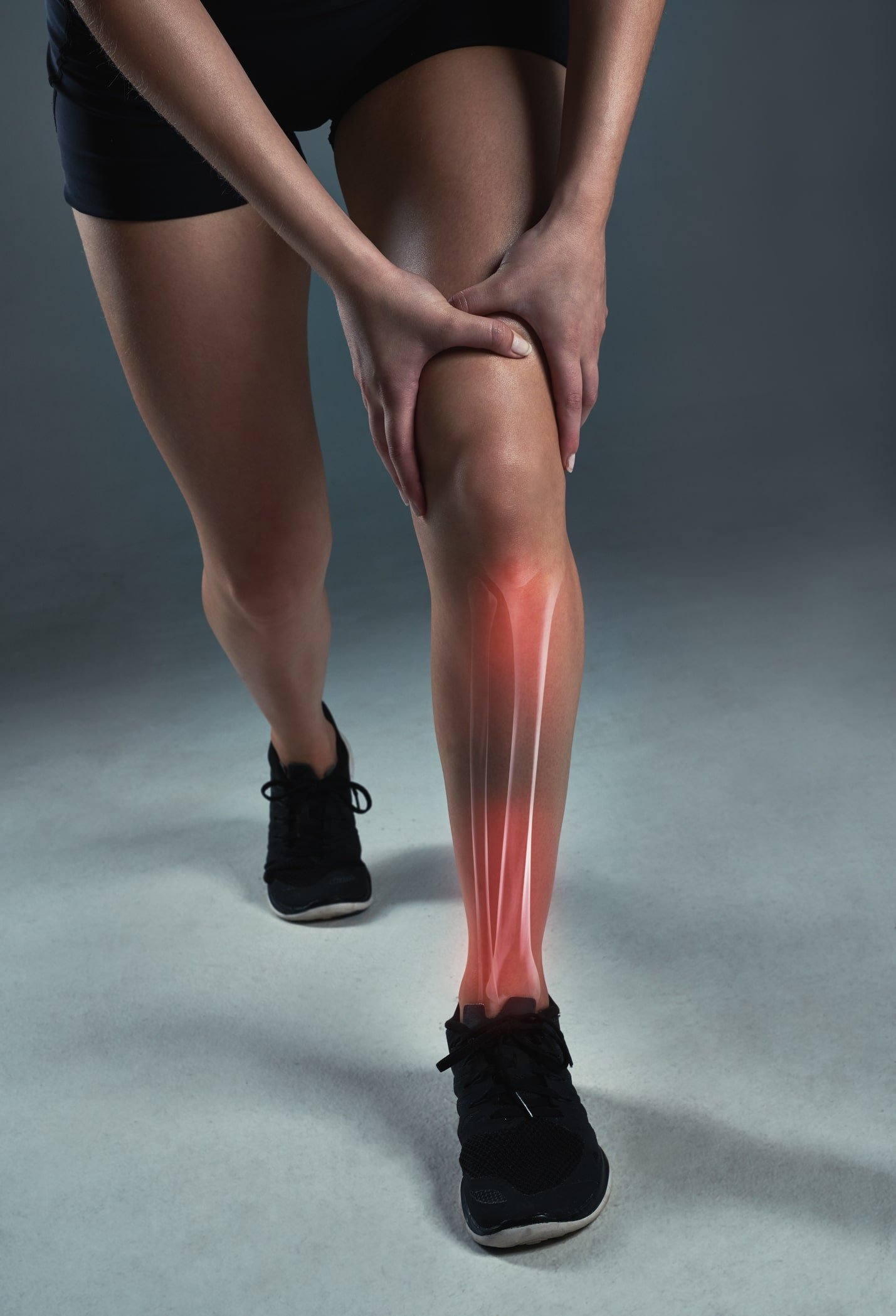
The patella sits within a V-shaped groove in the femur, gliding smoothly when the foot and heel are in neutral alignment. However, when the heel rolls inward, the patella may move out of this groove and grind against the cartilage, causing pain and dysfunction. Treatment includes gait analysis, custom orthotics to maintain proper alignment, and physical therapy to strengthen surrounding muscles. Without addressing foot alignment, physical therapy alone may not be sufficient to prevent recurrence.

X-rays taken in a weight-bearing position can be useful for assessing the mechanical structure, although they often appear normal. A negative X-ray is reassuring, indicating the issue is likely mechanical rather than structural.

Iliotibial Band Syndrome (ITBS)

ITBS is a frequent source of hip and lateral knee pain in athletes. Rather than a friction issue, ITBS is better described as a compression syndrome, often caused by overpronation of the foot. This biomechanical dysfunction alters the hip's alignment and pulls the iliotibial band across the lateral femoral condyle, leading to irritation and pain.

The IT band runs from the hip to just below the knee, and symptoms can appear anywhere along its length. Mechanical instability contributes to ITBS, but symptoms can be alleviated through a combination of custom orthotics, supportive athletic shoes, and targeted physical therapy to stretch and strengthen the hip and knee musculature.

Shin Splints (Medial Tibial Stress Syndrome)

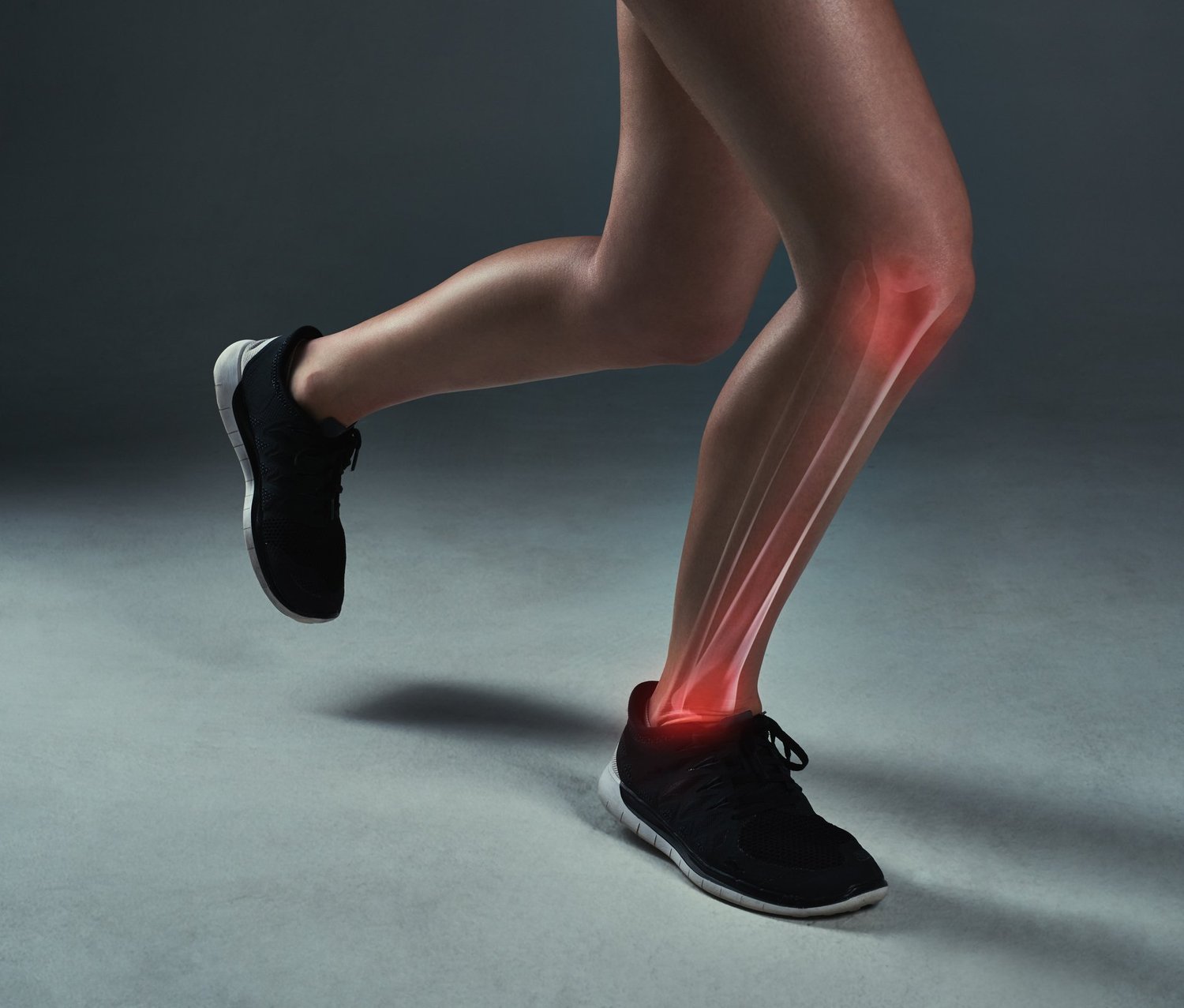
Shin splints refer to pain along the lower third of the tibia (shin bone), typically on the inner side. This condition arises when the muscles attached to the tibia are overworked due to excessive foot pronation or flattening, which is often the result of a forefoot-rearfoot misalignment.

As a result of this misalignment, the foot strikes the ground abnormally, forcing the leg muscles to overcompensate. This strain pulls on the muscle attachments along the tibia, potentially leading to a stress reaction or even a stress fracture if left untreated.

Pain may also occur on the outer part of the leg, near the knee, due to insufficient shock absorption and excessive pronation. Treatment involves a biomechanical examination, custom orthotics, appropriate footwear, physical therapy, and exercises that stretch and strengthen the lower extremities.

Plantar Fasciitis

Plantar fasciitis involves inflammation of the plantar fascia, the thick connective tissue running along the bottom of the foot. Heel pain—especially first thing in the morning—is the hallmark symptom. If left untreated, the condition can lead to fascia degeneration and the formation of painful heel spurs. biomechanical issues foot arch pain plantar fasciitis
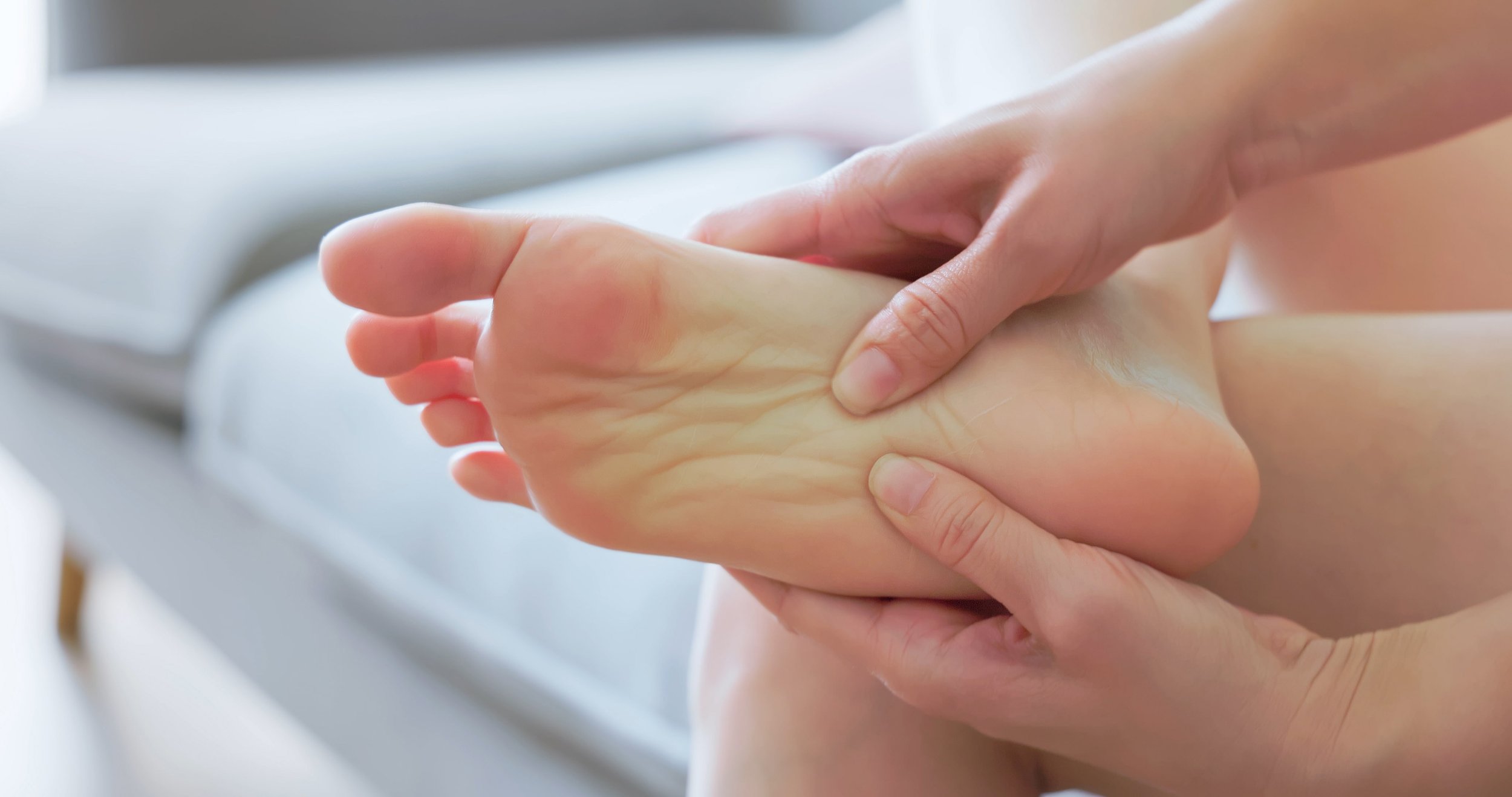
The leading cause is excessive foot pronation, which overstretches the fascia and causes microtears. Treatment involves a comprehensive biomechanical evaluation, custom orthotic devices, and, if necessary, imaging such as weight-bearing X-rays or MRI to assess for a stress reaction or fracture.

Lower Back Pain

Lower back pain is often linked to abnormal foot mechanics, particularly overpronation. When the foot arch collapses excessively, it alters alignment from the ground up, causing the pelvis to tilt and compress the lumbar spine.

Many cases of non-traumatic low back pain stem from foot dysfunction. A biomechanical assessment and gait analysis can help determine if the pain originates from the feet. Treatment includes orthotic correction, targeted exercises (such as small squats, crunches, and bridges), and proper footwear to restore postural alignment and alleviate discomfort. Always assess foot posture before pursuing surgical or invasive interventions.

To schedule your comprehensive biomechanical evaluation, visit drleecohen.com or call our Sports Medicine Podiatry Center and book an appointment at our Marlton, N.J. Sports Medicine Facility or Ridley Park, P.A. Office location with one of our podiatric sports medicine specialists today by calling (610) 522-9200.
10 OF THE MOST COMMON PAINFUL FOOT CONDITIONS AND INJURIES EXPLAINED

foot conditions introAccording to the American Podiatric Medical Association, 75-77% of Americans have experienced foot pain at some point in their lives. It’s not surprising considering that each foot has 26 bones, 33 joints, and over 100 muscles, tendons, and ligaments, that the average person walks around 7500 steps per day, and when running up to 4 times your body weight can be the pressure amount placed on your feet.  Put all of that together and it’s no wonder that feet are prone to injury and are at high risk for developing a wide variety of painful conditions.
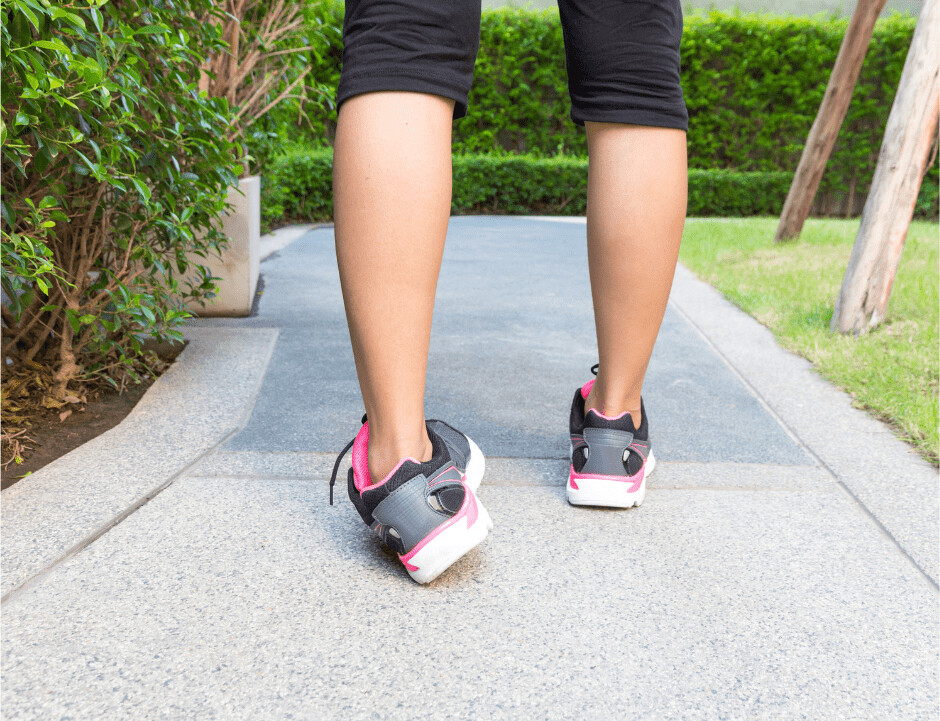
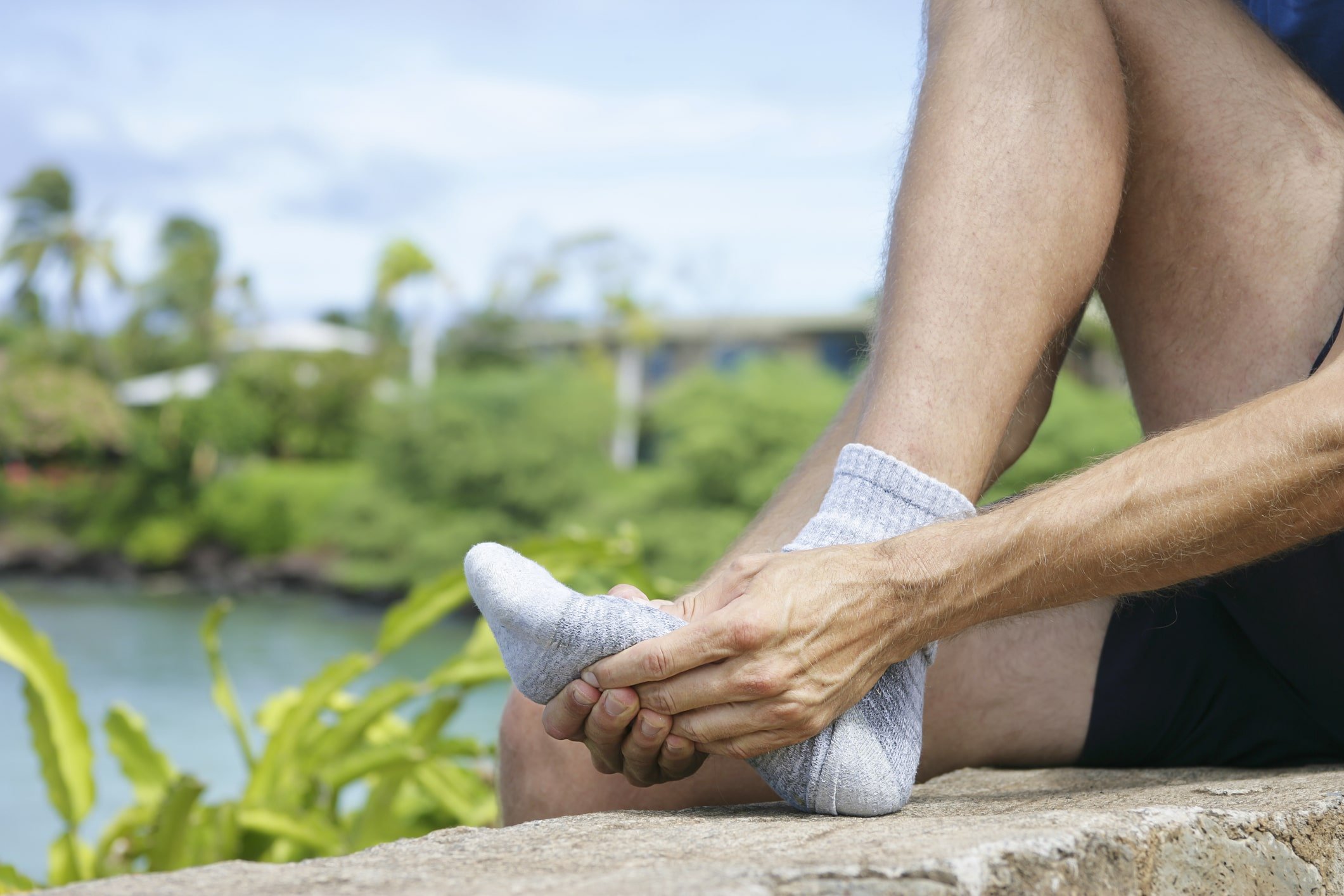
We’ve listed the most common foot pain diagnoses seen and treated by our team of sports medicine podiatry experts in our office (in no particular order), all of which should be evaluated by a medical professional.


PLANTAR FASCIITIS

Plantar Fasciitis is a painful inflammation of thick fibrous tissue in the foot called the plantar fascia. Pain from plantar fasciitis is usually centered under the heel and is often found to be worse at the beginning of the day. If plantar fasciitis worsens or goes untreated, it can lead to some conditions that will cause more discomfort including degeneration of the plantar fascia, called plantar fasciitis as well as many painful conditions of the heel. biomechanical issues foot arch pain plantar fasciitis

TENDONITIS

Tendonitis is a common cause of pain in the foot or ankle, typically resulting from inflammation around a tendon. This condition often arises from overuse injuries, but improper stretching before physical activity or poor form during exercise can also contribute to tendonitis. Tendon injuries can be either acute, occurring suddenly, or chronic, developing gradually over time. The pain associated with tendonitis is usually dull and aching, but as the condition worsens, it may also become sharp, burning, or radiating around the foot or ankle. Other symptoms of tendonitis may include stiffness, swelling, weakness, and tenderness.

FLATFOOT

Flatfoot is a common deformity that occurs in both children and adults. Although there are various forms of flatfoot, they all share one characteristic - the partial or total collapse of the arch. Flatfoot can be apparent at birth or may not show up until years later. Most children with flatfoot have no symptoms, but some may have one or several symptoms. Some symptoms are pain, tenderness, or cramping in the foot, leg, or knee. Another symptom is outward tilting of the heel resulting in awkwardness or a change in a child’s walking. Children with flatfoot may have a decreased interest in or withdrawal from physical activities. foot conditions AnkleSprain min

SPRAINS AND STRAINS

Sprains and strains are different types of injuries. A sprain happens when ligaments—the bands of tissue connecting two bones—stretch or tear. A strain occurs when a muscle or tendon, which connects muscles to bones, gets damaged. Ankle sprains are the most common type of sprain. Foot sprains typically affect the middle of the foot or the big toe.

HEEL SPURS

A heel spur is a calcium deposit under the heel that causes bone protrusions. Pain from heel spurs is often confused with plantar fasciitis, which is inflammation of the plantar fascia ligament. In contrast, a heel spur is a growth directly on the heel bone. Heel spurs typically do not cause symptoms, but they can be linked to intermittent or chronic pain. This discomfort usually arises from inflammation or irritation of the plantar fascia ligament, rather than the heel spur itself. Pain often worsens in the morning upon waking and tends to improve as the ligaments loosen throughout the day.

STRESS FRACTURES

Stress fractures are tiny cracks in bones, often found in the lower body, particularly in the feet, which bear body weight during activities like walking and running.  These injuries usually result from repetitive stress and are common in athletes, especially runners. Over time, continuous strain on weight-bearing bones leads to small cracks. Initially, stress fractures may not cause pain, but discomfort can develop with continued activity. Other factors may also contribute to their onset.

OSTEOARTHRITIS

Osteoarthritis is often called "wear and tear" arthritis or degenerative joint disease. With OA, the cartilage in a joint starts to break down, and the underlying bone begins to change. These changes usually happen slowly and get worse over time. Arthritis is a complex condition characterized by pain, swelling, and stiffness. Symptoms often develop gradually, starting in the smaller joints such as those in the hands and fingers, feet, and toes before progressing to larger weight-bearing joints such as the ankles, knees, hip, lower back, pelvis, and spine. It can also affect other areas such as the wrists, elbows, shoulders, neck, and jaw. foot conditions Osteoarthitisfootpain

BUNIONS

A bunion—also called Hallux Valgus—is a bump that appears inside the foot, around the metatarsophalangeal (MTP) joint (near the big toe). This bump is a bone that protrudes towards the inside of the big toe. If bunions are left untreated, they can cause severe pain, hinder walking abilities, and cause an imbalance that can lead to a whole host of other issues. Bunions are a result of the weight of your body falling unevenly on the joints and tendons in your feet. This is usually caused by wearing shoes that do not fit properly or genetic deformities.

HAMMERTOES

Hammertoe is a foot deformity where the toes bend or curl downward instead of pointing forward, often due to a muscle imbalance between the tendons. It most commonly affects the second or third toe and can be flexible or rigid. Women are more likely to develop hammertoe, often due to inappropriate footwear. The condition can worsen over time, so it's important to seek medical treatment early. Ignoring hammertoe can lead to serious complications, especially for individuals with diabetes, and may affect walking ability.

MORTON’S NEUROMA

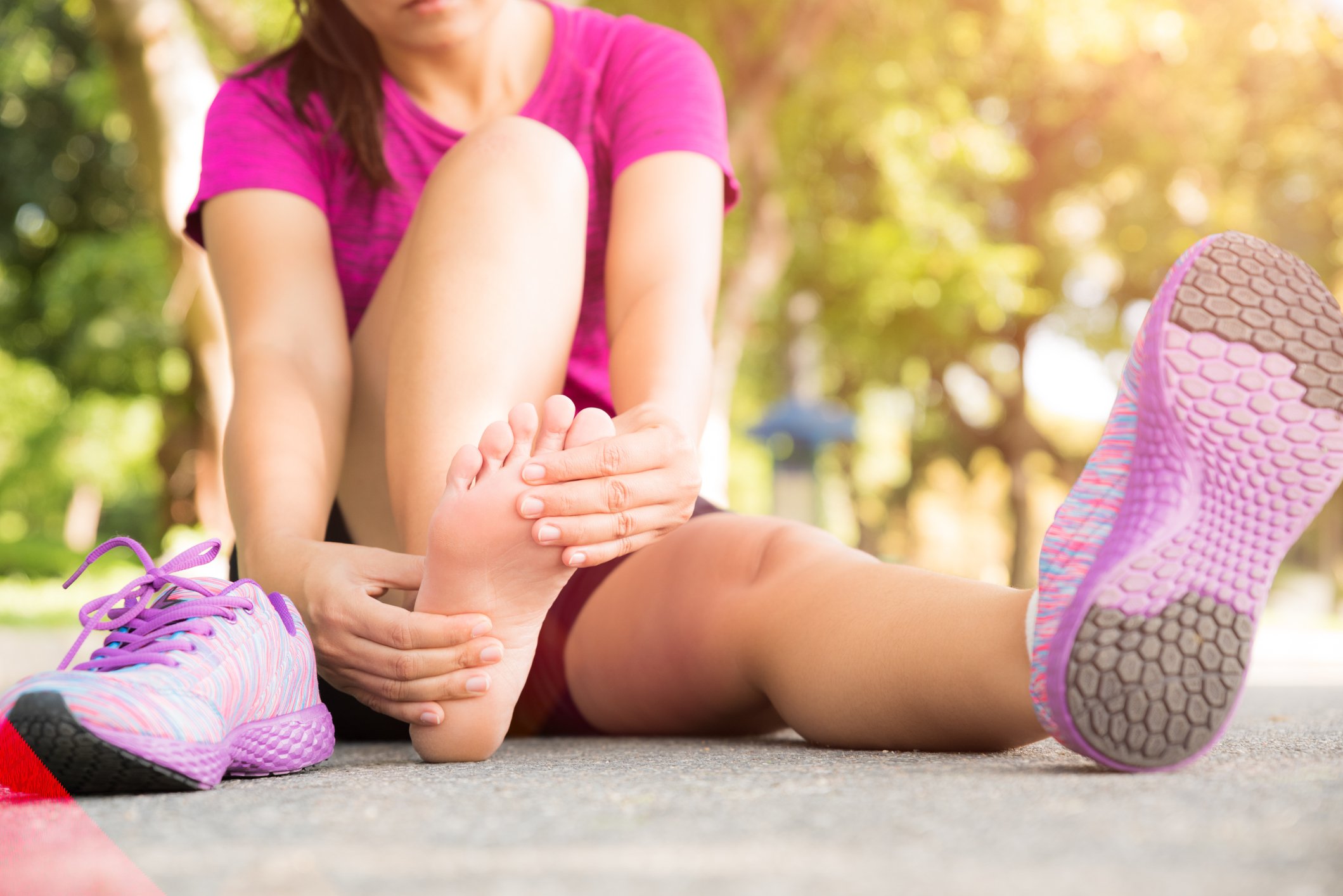
Morton's neuroma is a common condition causing pain in the ball of the foot, typically between the third and fourth toes, often feeling like a small rock in your shoe. It involves a thickening of the tissue surrounding the nerves, not a tumor. Improper footwear—like shoes that squeeze the toes or distribute weight unevenly—is a major cause. Relief can often be found by changing shoes, resting, or massaging the area. Other factors include trauma, biomechanical deformities, repeated stress, and overuse. foot conditions Athletefootpain

Foot pain comes in many shapes and forms, and has many different causes, symptoms, and factors, we’ve listed just a few of them above. These injuries and conditions can worsen, and create a multitude of secondary issues that affect the lower body extremities if ignored and left untreated. Don’t wait. Seek treatment.

If you or someone that you care for suffers from pain in the feet, ankles, knees, hips, and/or lower back, the pain may be due to misalignment caused by faulty biomechanics which can be treated and corrected with the help of custom orthotic insoles.  To schedule your comprehensive biomechanical evaluation, use our contact form or call our Sports Medicine Podiatry Center and book an appointment at our Marlton, N.J. Sports Medicine Facility or Ridley Park, P.A. Office location with one of our podiatric sports medicine specialists today by calling (610) 522-9200.


FOOT PAIN IS A WARNING SIGN

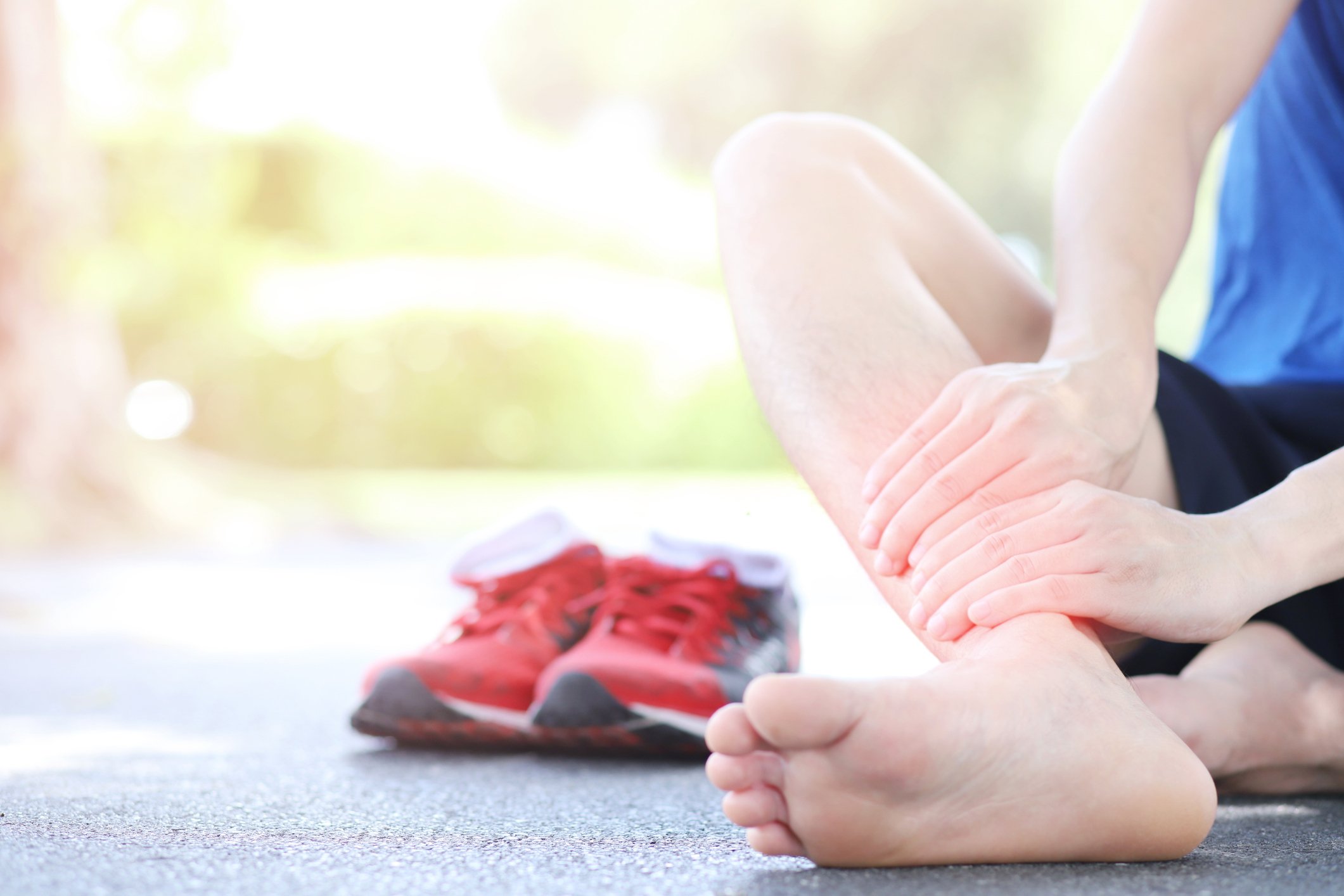
warning introFoot pain is something many people, especially athletes and active individuals, often deal with more frequently than they’d like to admit. It’s easy to dismiss as “just soreness” or assume it’s a natural part of aging. But here’s the thing: foot pain is usually your body’s way of waving a red flag. It’s not just an inconvenience; it’s a sign that something’s off in the way your body is moving - it's a warning sign. It is rarely “just soreness” or “part of getting older.” Instead, it’s often the result of underlying biomechanical issues that deserve attention and early intervention.

The Role of Biomechanics in Foot Health

Biomechanics refers to the way our muscles, bones, tendons, and ligaments work together to produce movement. When this system is disrupted — whether by injury, structural abnormalities, or overuse — pain is often the first symptom. Faulty biomechanics in the foot and ankle can create a ripple effect throughout the lower extremity and even into the spine.

Let’s break down the key contributors to biomechanical dysfunction:

Injury

Acute injuries like sprains, fractures, or tendon ruptures can permanently alter the way you walk or run. Without proper rehabilitation, the body compensates by changing load distribution, which often leads to chronic foot pain and secondary issues such as knee or hip discomfort. root causes 02

Hereditary Factors

Many patients inherit structural abnormalities such as flat feet (pes planus), high arches (pes cavus), or limb length discrepancies. These anatomical differences can predispose an individual to overpronation or supination, thereby increasing the risk of conditions such as plantar fasciitis, Achilles tendinopathy, and stress fractures.

Overuse

Athletes and active individuals are particularly susceptible to overuse injuries. Repetitive stress on the same structures — especially in the absence of adequate recovery — can lead to microtrauma, inflammation, and tissue breakdown. Common culprits include metatarsalgia, shin splints, and stress-related injuries in the foot and ankle.

Congenital Defects

Some biomechanical issues are present from birth. Clubfoot, tarsal coalition, or abnormal bone alignment can all contribute to foot pain later in life, especially if undiagnosed or untreated during childhood. Even subtle congenital differences may predispose a person to premature joint wear and mechanical inefficiency. warning injury

When Foot Pain Signals a Bigger Problem

Foot pain may begin as a nuisance, but it often escalates if the root cause isn't addressed. Pain alters gait and posture, which can lead to compensatory injuries in the knees, hips, or lower back. In athletes, unaddressed foot pain can sideline performance, delay recovery, and increase the risk of more severe injury.

It's essential to understand that foot pain is not a diagnosis, but rather a symptom. The underlying cause can range from inflammation and tendon imbalance to joint instability and nerve entrapment. A thorough biomechanical assessment is key to uncovering the source and preventing recurrence.

Proactive Measures and Professional Care

  • Gait analysis and biomechanical evaluation can identify abnormal movement patterns and structural issues.

  • Custom orthotics or shoe modifications can correct faulty mechanics and redistribute pressure.

  • Targeted rehabilitation and strength training address muscle imbalances and promote proper muscle function.

  • Early intervention prevents minor problems from developing into chronic conditions.

Final Thoughts

Foot pain should never be ignored, especially in active individuals and athletes who rely on optimal function for optimal performance. What begins as a minor ache can be the first signal of a larger biomechanical issue that, if left untreated, can compromise not only your foot health but your entire kinetic chain. Early evaluation and correction can mean the difference between short-term relief and long-term resilience.

If you or someone that you care for suffers from pain in the feet, ankles, knees, hips, and/or lower back, the pain may be due to misalignment caused by faulty biomechanics, which can be treated and corrected with the help of custom orthotic insoles.  To schedule your comprehensive biomechanical evaluation, visit drleecohen.com or call our Sports Medicine Podiatry Center and book an appointment at our Marlton, N.J., Sports Medicine Facility or Ridley Park, P.A. office location with one of our podiatric sports medicine specialists today by calling (610) 522-9200.

scroll to top