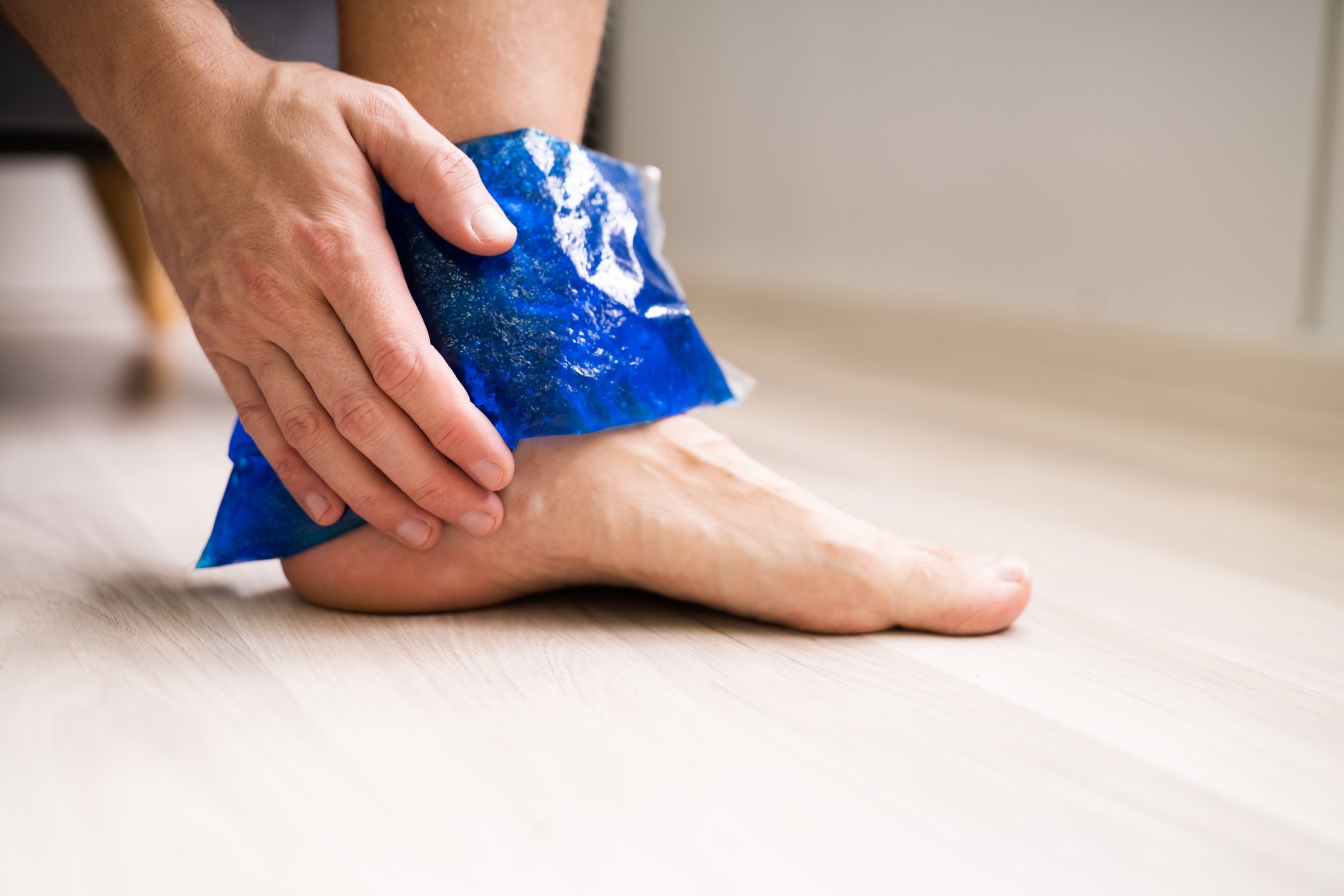
 The methods we choose for injury recovery can significantly impact how quickly and effectively we heal. Whether you’ve suffered a sprain during a weekend soccer match or are dealing with chronic muscle stiffness from everyday activities, knowing how to properly apply cold therapy (ICE) and heat therapy (HEAT) can make a substantial difference. These two effective techniques can help alleviate pain, reduce inflammation, and promote overall healing.
Understanding Cold Therapy (ICE)
Cold therapy, commonly known as ICE, involves applying ice or a cold pack to an injured area. This method is most effective immediately after an injury occurs, particularly during the first 24 to 72 hours. Applying ice reduces the metabolic rate of the cells in the affected area, which minimizes tissue damage and contributes to faster recovery times.
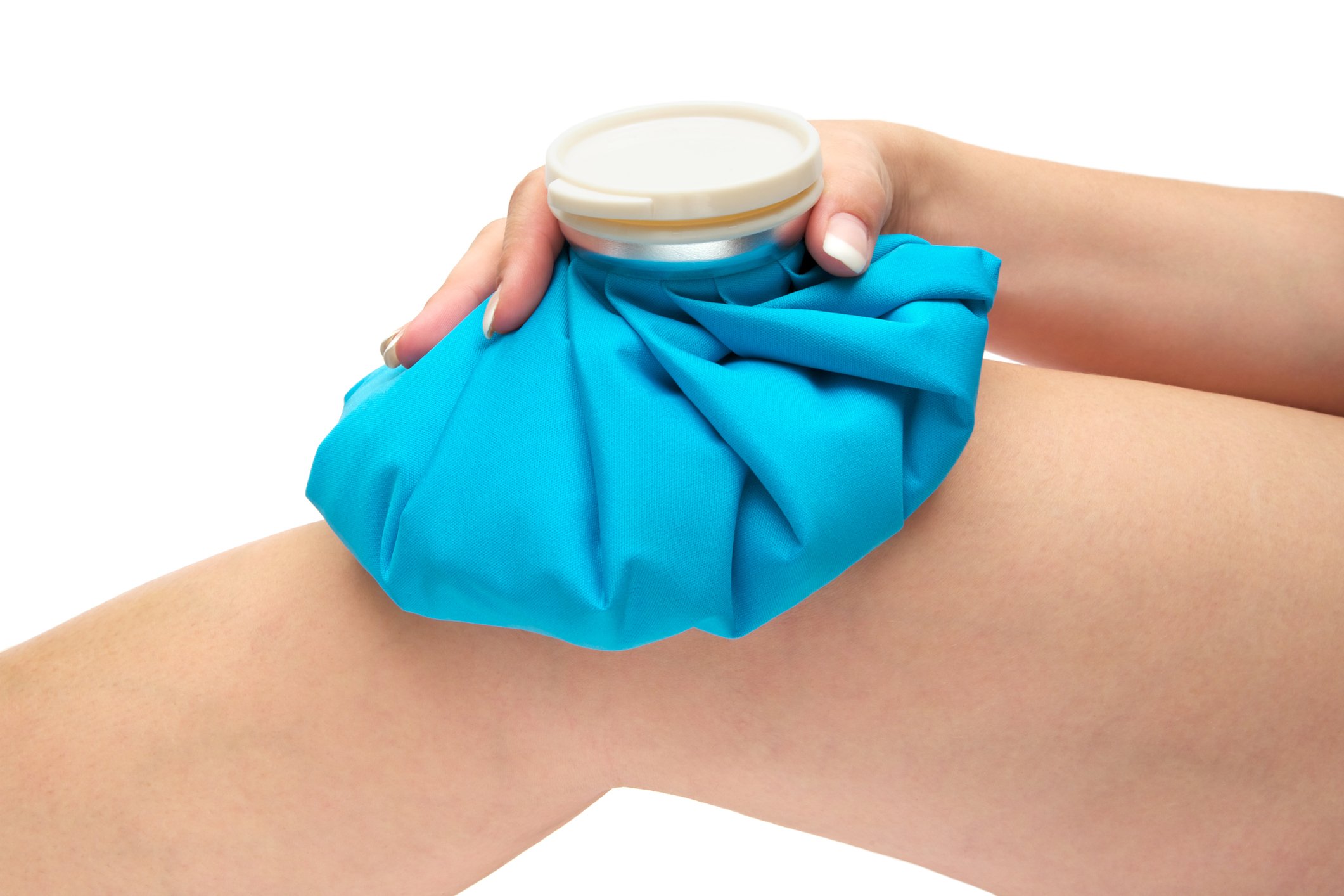
When to Use ICE:
- Immediately after an injury, especially within the first few days.
- When you notice swelling, bruising, or experience sharp pain.
Benefits of Cold Therapy:
- Reduces inflammation and swelling.
- Slows blood flow to the affected area.
- Provides immediate pain relief.
Common Injuries Benefited by ICE:
- Sprains (ankle, knee)
- Strains (hamstring, calf)
- Contusions (bruises)
- Tendonitis flare-ups
Understanding Heat Therapy (HEAT)
After the initial swelling has subsided—typically after three days—heat therapy can be beneficial. This method involves applying heat to relax and soothe stiff muscles while improving blood flow, making it especially effective for chronic pain conditions.
When to Use HEAT:
- After the swelling has decreased.
- For chronic pain or persistent muscle stiffness.
- Before engaging in physical activities to warm up your muscles.
Benefits of HEAT Therapy:
- Increases blood circulation.
- Relaxes tight muscles and joints.
- Enhances mobility and flexibility.
Common Injuries Benefited by HEAT:
- Muscle tightness (quads, hamstrings, calves)
- Chronic lower back, hip, or knee pain
- Arthritis or lingering joint stiffness
It's important to understand that ICE and HEAT therapy serve different purposes and can often be used together for optimal recovery. For instance, acute injuries can be treated immediately with cold therapy and followed by heat as part of the recovery process.
Always consult with a healthcare professional if you’re unsure about the best approach for your specific injury.
To schedule a comprehensive biomechanical evaluation, visit drleecohen.com or call our Sports Medicine Podiatry Center to book an appointment at our Marlton, NJ, Sports Medicine Facility or Ridley Park, PA, Office location with one of our podiatric sports medicine specialists today by calling (610) 522-9200.
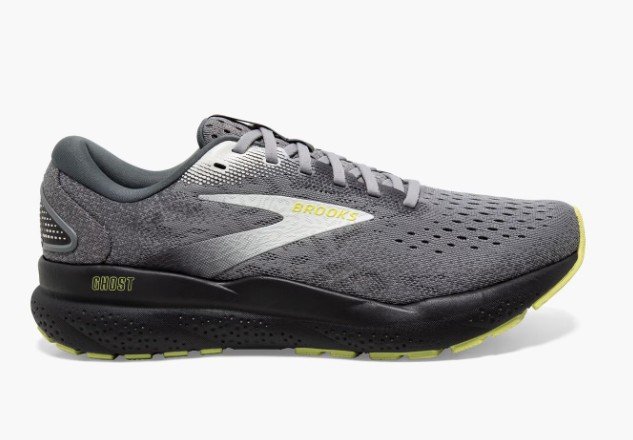 Neutral
 Trail Shoes
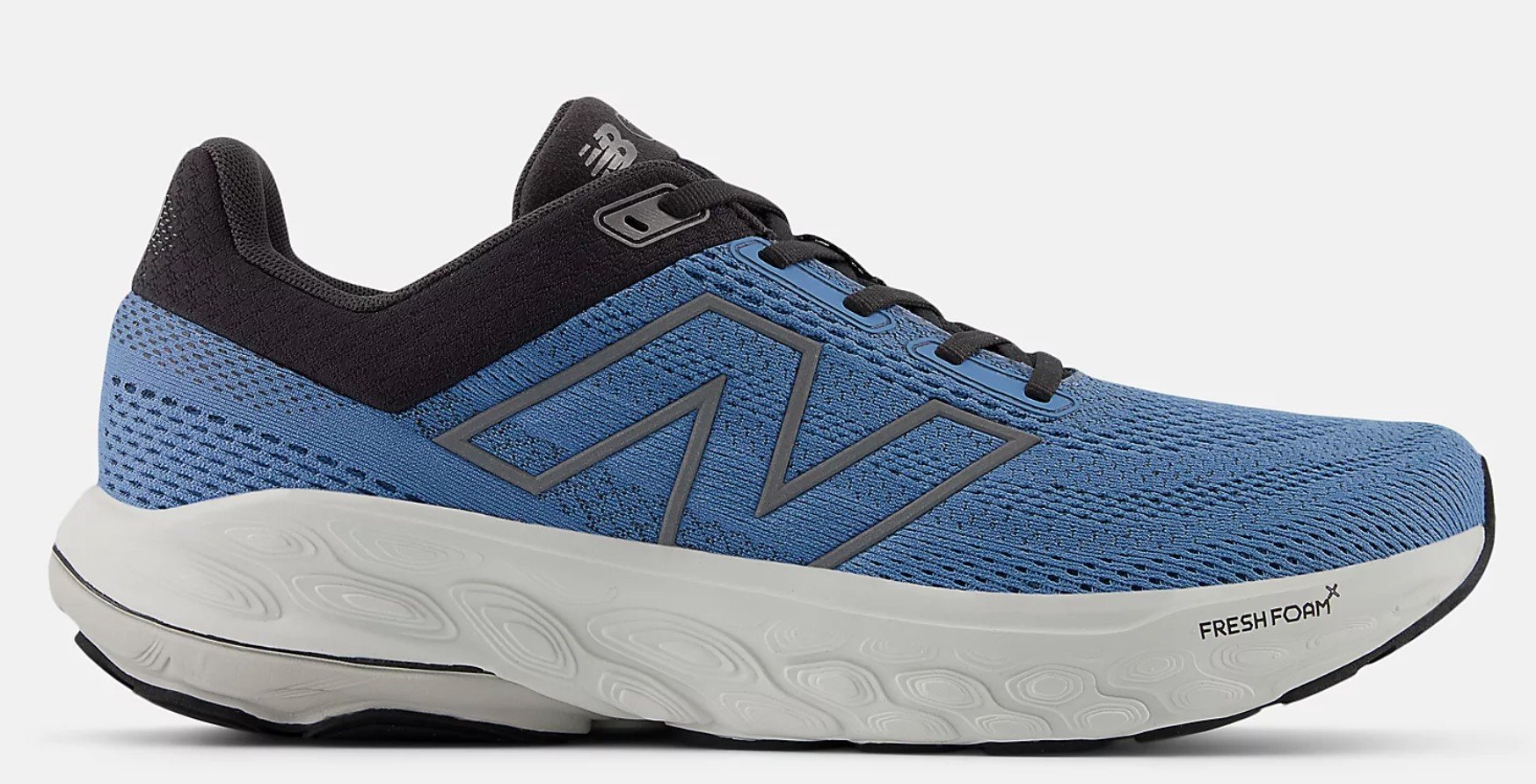 Stability
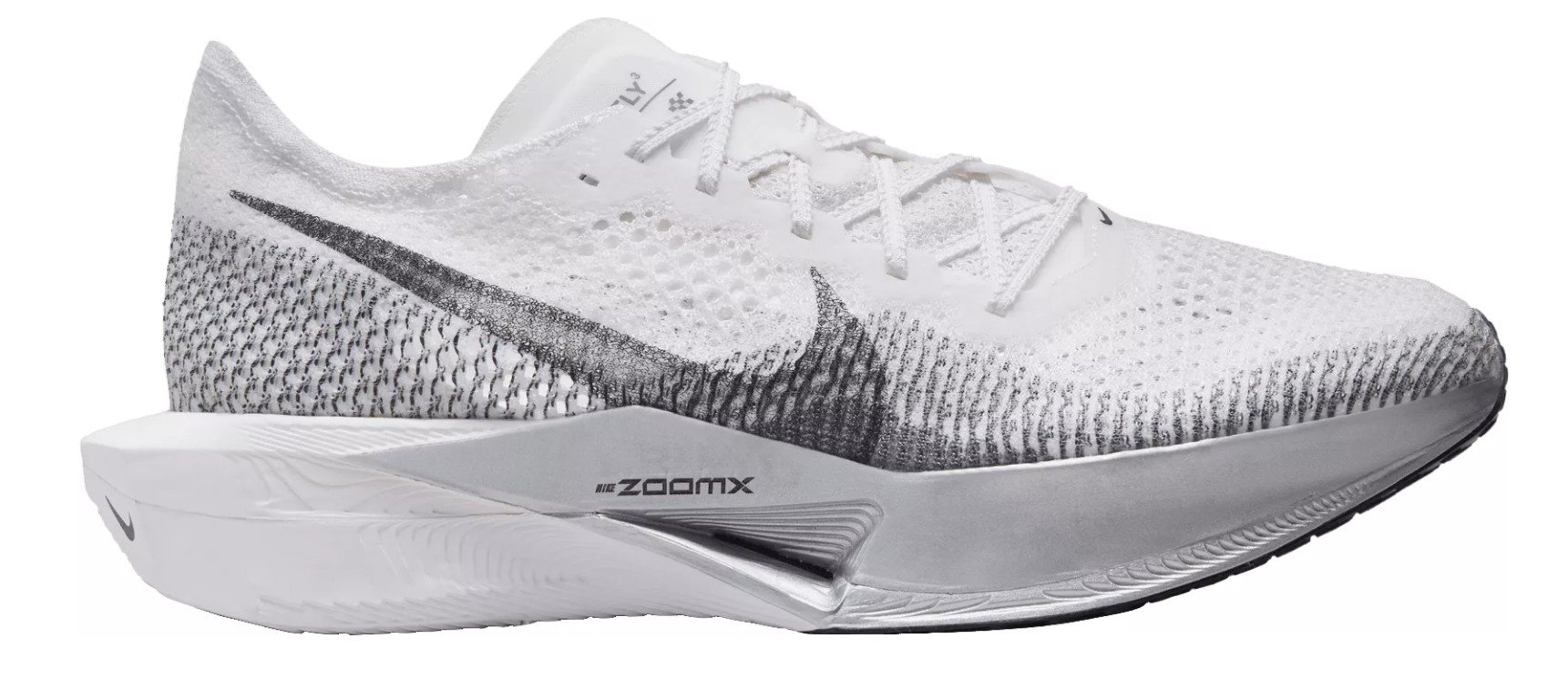 Running Competition (Racing)
 Certainly, foot pain is enough to make you irritable. But did you know that foot symptoms are an indicator that you could be suffering from a postural problem? If you're like 80% of the population, you suffer from regular or occasional hip, back, and neck pain, most of which can be traced to a malfunction in the feet. May is posture awareness month, and a great time to discuss how your feet can be causing painful secondary lower body issues, resulting in ongoing postural problems.