THE DIFFERENCE BETWEEN FLEXIBILITY AND MOBILITY

difference between flexibility mobility introPeople often confuse flexibility and mobility, however, they are not as similar as most people might think.

Flexibility is the ability of a muscle or group of muscles to lengthen passively through a range of motion.

Mobility on the other hand is the ability to move a joint actively through a range of motion. Mobility is all-encompassing and takes into account the joint, the joint capsule, the ligaments around the joint, the muscles crossing the joint, and the nervous system which controls the motor movement of the joint.

Stretching is good, it improves the length of the muscle temporarily, however, joint mobility needs to increase as well. Stretching improves your muscular length, but the effects are short-lived and do not translate into results. Improving mobility will prepare your body for movement, increase overall joint range of motion and control, and translate into improved performance at joint health.

Mobility work can be performed at any time and is most often performed before exercise to get the body prepared for movement.

Mobility exercises can include:

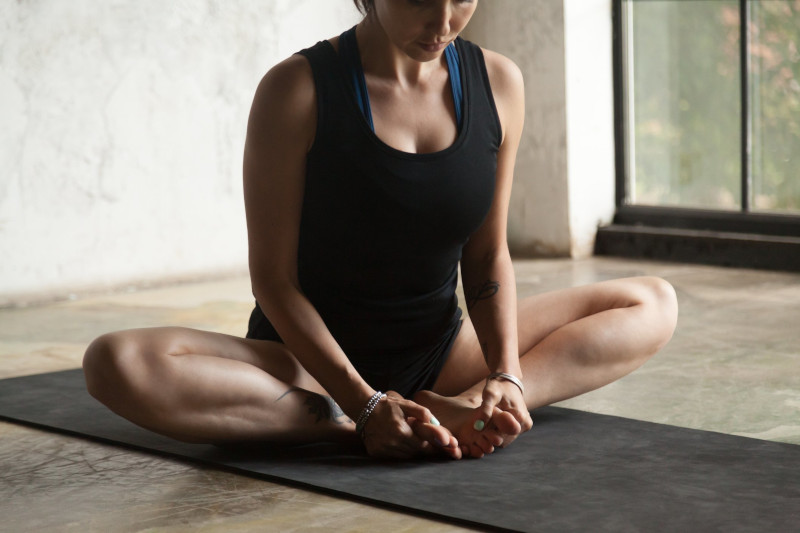
1. Hip openers in a seated position
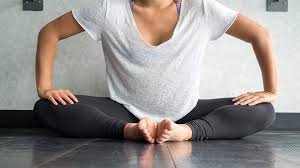
difference between flexibility mobility 01 hipopeners

2. 90/90 internal/external rotation seated stretching
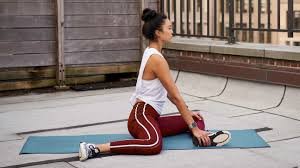
difference between flexibility mobility 02 9090internalexternalrotation

3. Seated pigeon and have pigeon exercises
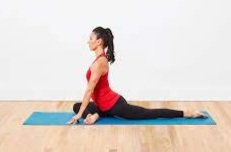
difference between flexibility mobility 03 pigeon
 

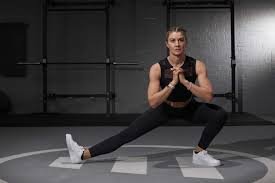
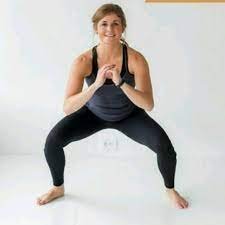
4. Cossack squats right and left

difference between flexibility mobility 04 CossackSquat

5. Instep lunges right twist then left twist at the hip
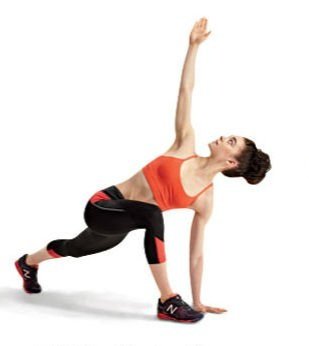
difference between flexibility mobility 05 Instep Variations

6. Modified warrior position - knee right and left with a twist to either side
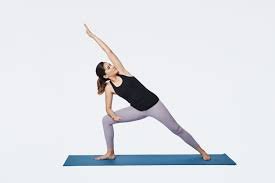
difference between flexibility mobility 06 ModifiedWarrior

7. Knee drop squat drop down - rotate to right then to left knee
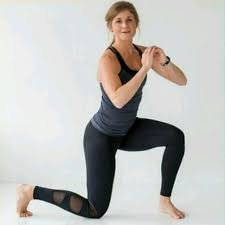
difference between flexibility mobility 07 SquatKneeDrop2

8. Squat drops

difference between flexibility mobility 08 SquatExercise

Mobility training builds strength and coordination throughout the range of motion of the muscles around a specific joint, or multiple joints – and can actually be a workout in and of itself!
10 WARNING SIGNS THAT YOUR CHILD IS SUFFERING FROM A FOOT, ANKLE, OR SECONDARY CONDITION

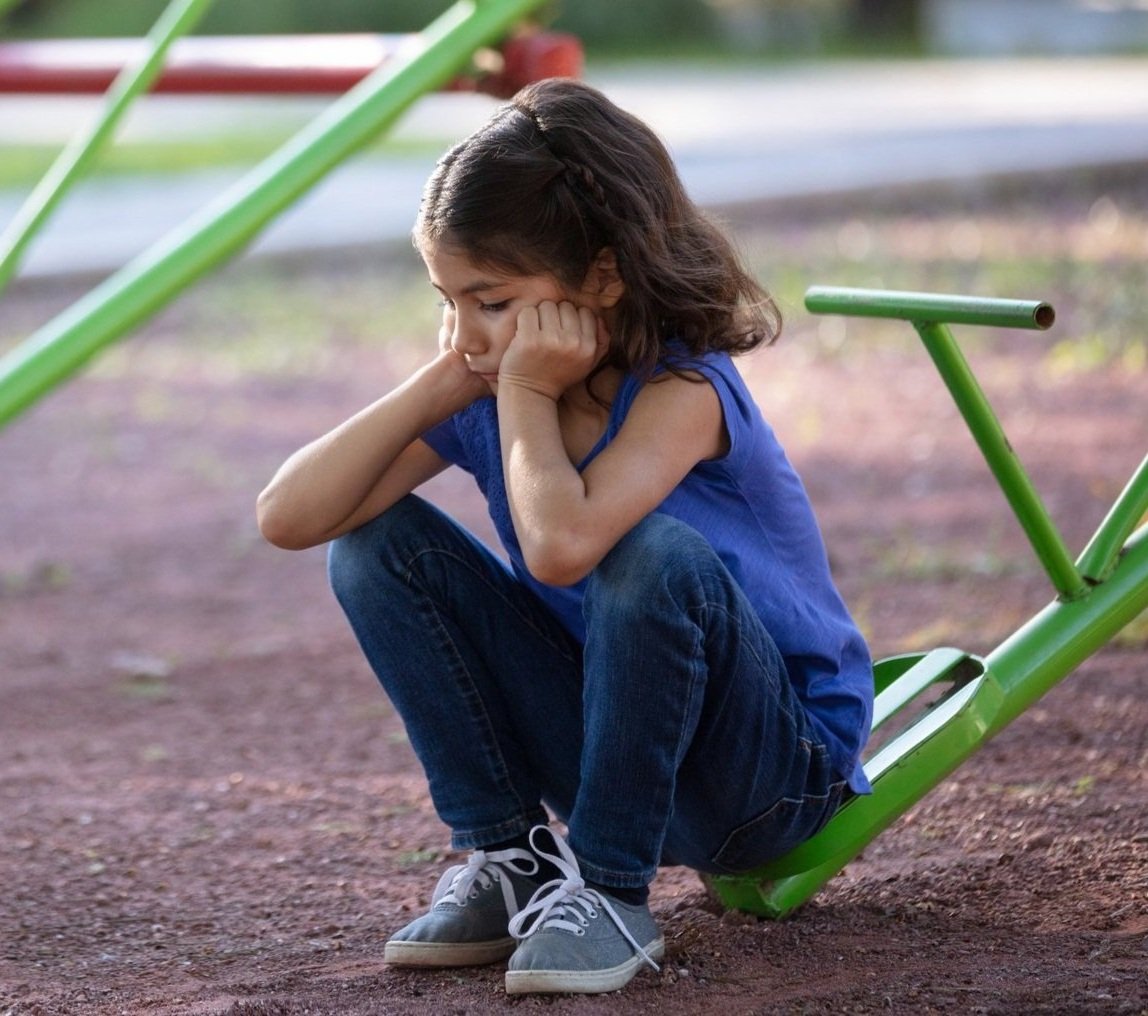
10 warning signs SadGirlPlaygroundRegardless of the severity of the pain, children’s feet and lower bodies should not hurt. Growing pains are a myth. Although some pediatricians may suggest that they will go away, the truth is that “growing pains” are often the result of real conditions that require treatment.
The most common causes of foot, ankle, and lower body pain in children and young adults are the result of faulty biomechanics, genetics, traumatic injury, and/ or overuse.

Rest alone will not solve the issue, you need to have their posture, foot mechanics, and training techniques evaluated. 


WARNING SIGNS THAT YOUR CHILD NEEDS HELP AND IS SUFFERING FROM A FOOT, ANKLE, OR SECONDARY CONDITION

1.    Complaining of pain, cramping, or numbness in the foot, ankle, knee, hip, and lower back

2.    Repetitive or reoccurring injuries relative to the feet, ankles, or lower body extremities

3.    Fatigue – Can’t keep up during sports-related activities

4.    Avoiding sports and physical activities

5.    Stumbling or tripping

6.    Trouble sleeping

7.    Hiding their feet

8.    Rolling of ankle

9.    Change in gait

10. Poor Posture

The most common cause of these problems is poor mechanics of the foot and ankle, as they are unable to support the rest of the body. As a result, the body tries to compensate for these foot and ankle weaknesses by placing excess abnormal pressure on the hips, knees, legs, and back.  Misalignment causes strain, and strain causes pain. This can lead to one of several foot conditions, including plantar fasciitis, heel spurs, and Achilles tendon problems.

These issues, injuries, and conditions need to be corrected and treated early on to prevent further damage, worsening conditions, and the possibility of lifelong pain and suffering. Some of these issues, injuries, and conditions are more noticeable than others, but regardless, the good news is that almost all of them can be easily and effectively treated with a custom orthotic. 

Don’t wait. Take action. Call our office today (610) 522-9200 or use our contact form to schedule a biomechanical examination with one of our pediatric sports medicine podiatry specialists at our Marlton, N.J., Sports Medicine Podiatry Center or Ridley Park, PA., office location. Our team of pediatric podiatry specialists treats children, teens, and athletes of all ages experiencing pain or discomfort in the feet, ankles, legs, knees, hips, back, and lower body.

POOR POSTURE CAN CAUSE PAIN IN THE LOWER BODY, STARTING WITH YOUR FEET

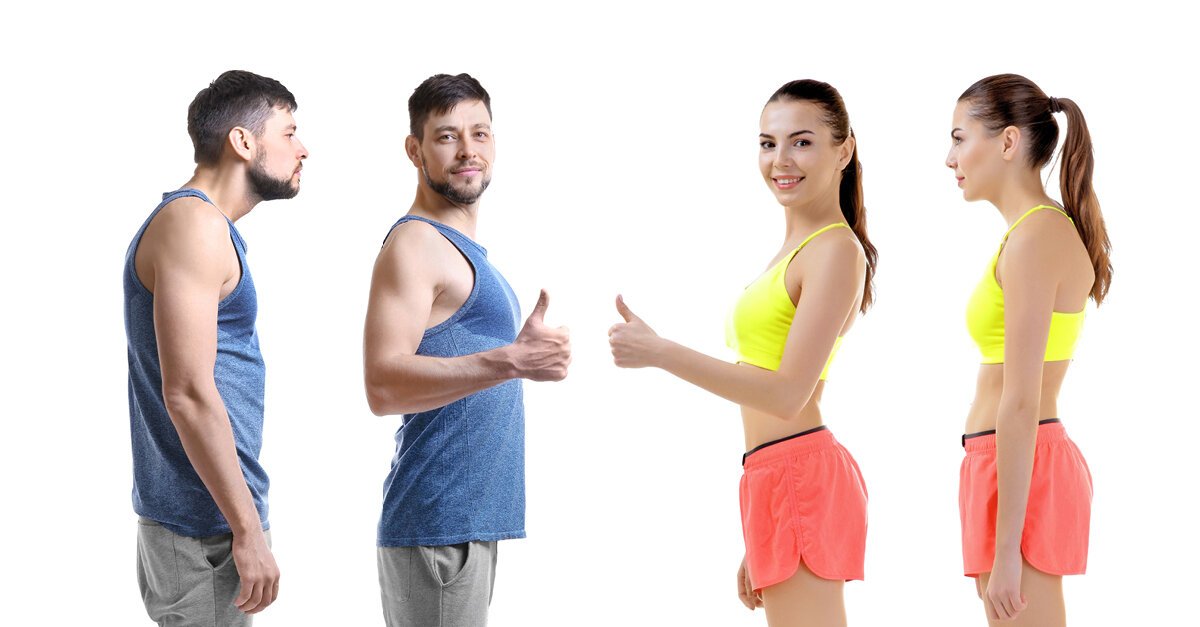
poor posture postureawarenessmonth introMay is Posture Awareness Month and a great reminder of the importance of good posture when it comes to having a balanced structure. Conversely, poor posture can result in misalignment which can cause lower body pain, starting at your feet.
poor posture postureawarenessmonth intro

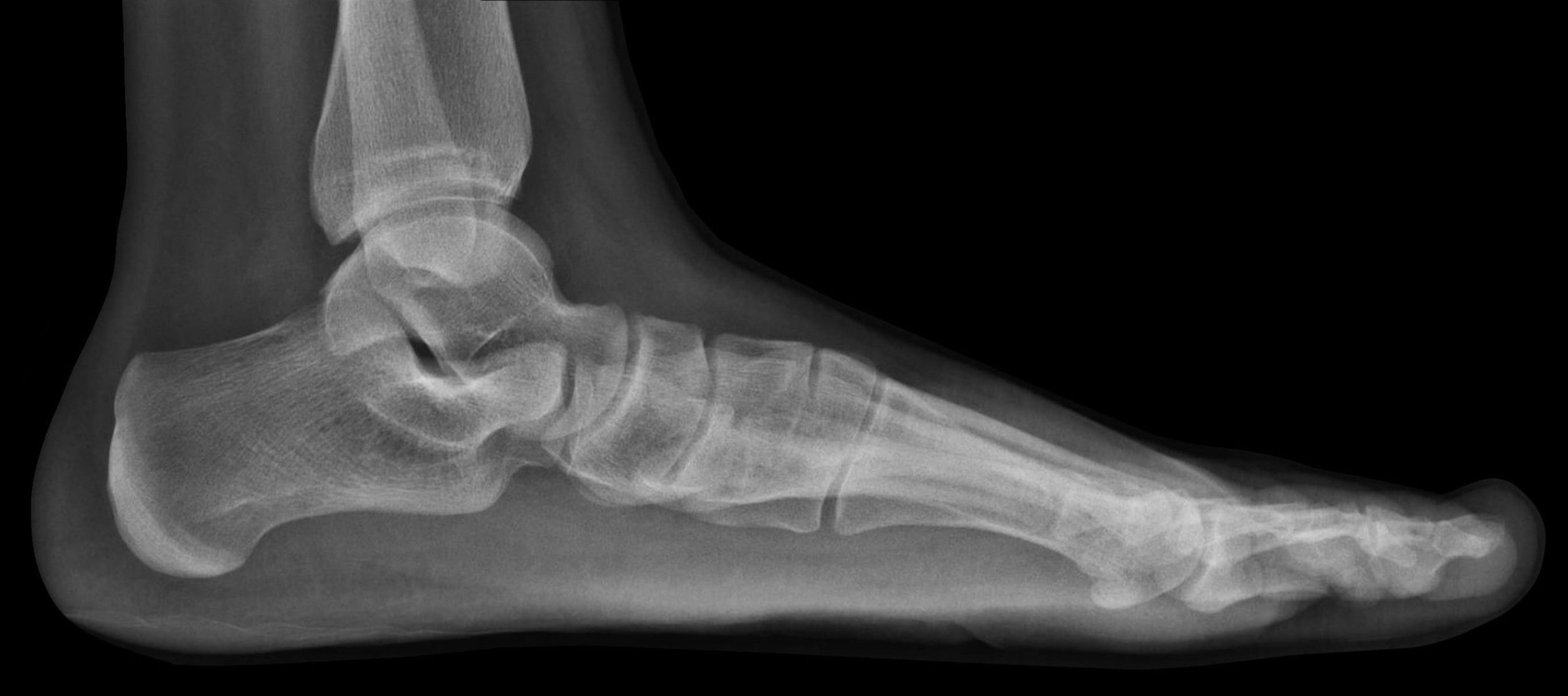
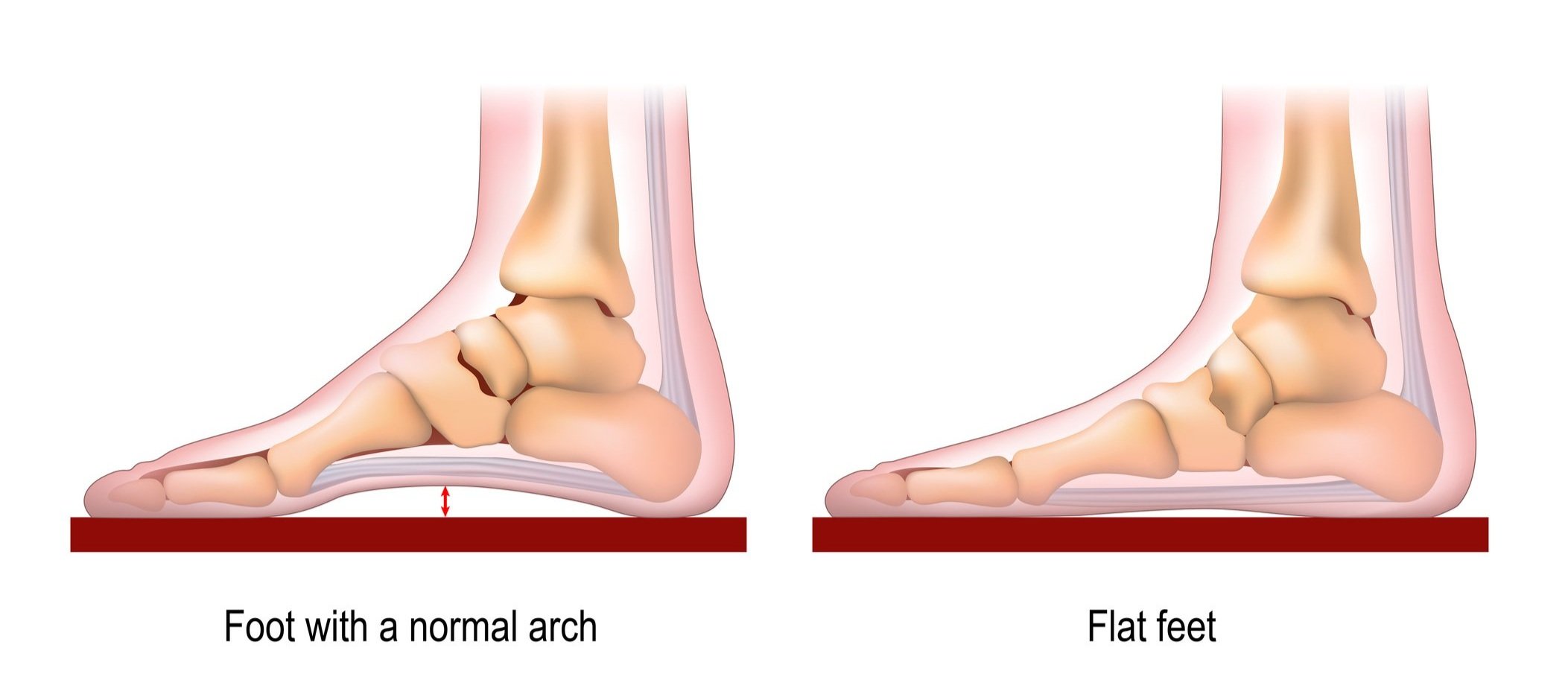
Posture functions to maintain alignment of the body’s segments in any position which is vital to not only normal walking but just about all our daily activities. Think about that. Now, what if I also told you that it's quite possible that your back pain, hip pain, knee pain, and even pain in your jaw may not be related to any one of those individual body parts at all?  The real reason might simply be that you have a common postural deformity known as Flatfeet. Flatfeet cause pain in the lower body by putting a strain on the muscles, tendons, bones, and ligaments in the feet. Strain means they pull awkwardly on the muscles connected to the feet, which can throw someone's whole body out of alignment, thus causing pain in other areas.

Flatfeet cause the lower legs and thighs to roll inward, as a result, the kneecap moves out of its natural position and cannot stay in its natural groove in the thigh bone. This causes friction back and forth every time the leg is flexed or extended, which causes pain in the knee. If it moves up into the pelvic region, it can cause your pelvis to move forward, putting tension on your lower back and hamstring muscles. This in turn puts extra pressure on the discs which can develop into a painful condition called sciatica that causes radiating pain down into your legs.  As we move up the body, your lower back turns in one direction and causes exaggerated bending in another direction in your upper back, putting pressure on your neck and causing your head to tilt forward on your neck giving you tightness in the jaw muscles as well as your neck muscles. Temporomandibular Joint Syndrome (TMJ) can also be caused by being extremely flatfooted.

 poor posture Normalvsabnormalfootarch

Symptoms of Flatfeet:

While many people who have Flatfeet do not exhibit any outward signs or symptoms that indicate Flatfeet, some people may feel arch pain. More often than not, flatfeet cause noticeable fatigue in the arches, heels, knees, or lower back. Other common symptoms of Flatfeet include:

·      Feet that ache

·      Swollen feet

·      Difficulty moving the foot

·      Calf, leg, knee, hip, and lower back pain

Testing for Flatfeet:

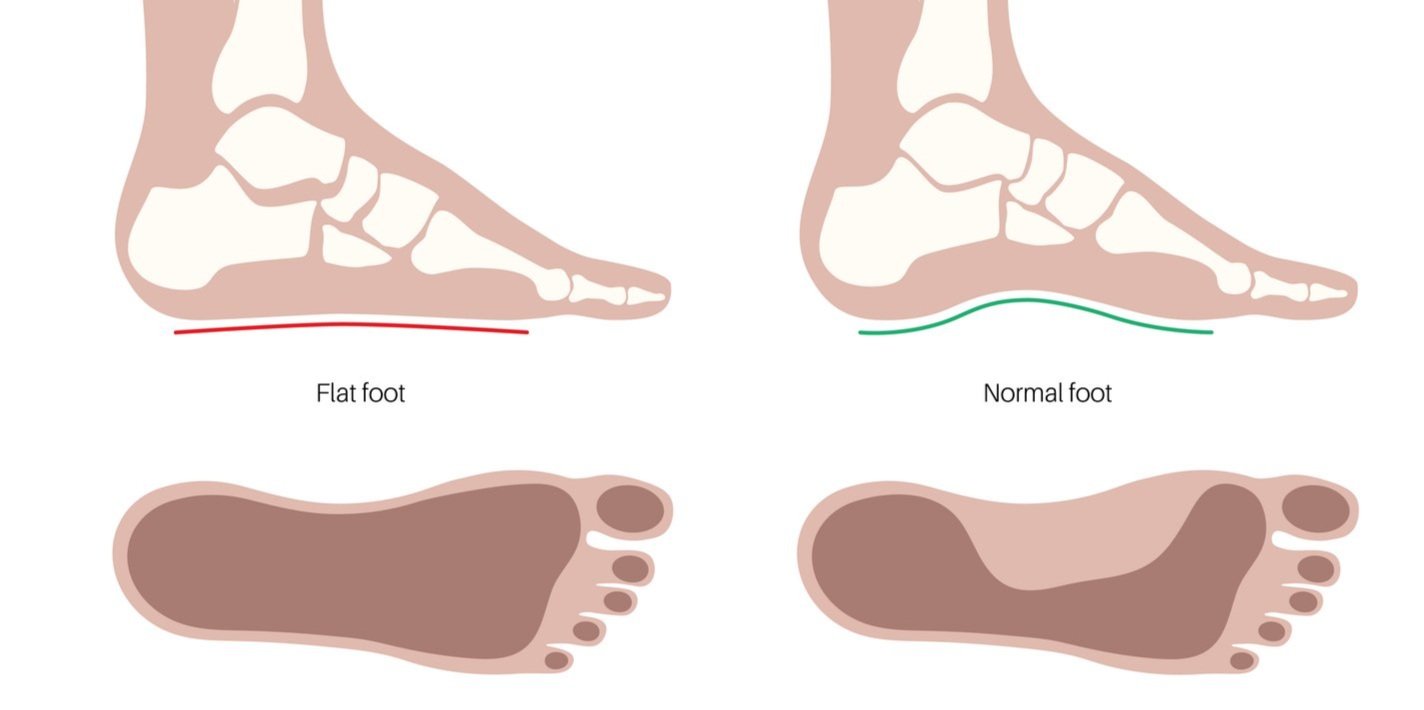
To find out if you have Flatfeet, there is a simple test you can do on your own—all you need is a concrete or cardboard surface and some water. Start by getting your feet wet, then stand normally on a flat surface. Then, step away from the imprints and evaluate the step marks. People with normal arches will see an imprint with the inside curve of the foot missing. People with Flatfeet will see the entire imprint of the bottom of the foot.

poor posture 03

Treatment of Flatfeet:

Treating Flatfeet medically depends on the severity and cause of the problem. It’s important to have Flatfeet examined by a podiatrist because it can lead to more serious problems like heel spurs, ankle pain, knee pain, or arthritis. When Flatfeet cause severe pain or begin contributing to other conditions, your doctor may suggest one or more of the following treatments:

·      Custom Orthotics

·      Stretching exercises

·      Supportive shoes

·      Physical therapy

The story's moral is that we don’t know what we don’t know…. until we know. In the case of posture, you might also be surprised to learn that many of the conditions that cause pain in the lower body extremities are due to poor posture, many of which start with your feet. 

To learn more about ways in which Dr. Lee S. Cohen and Associates can provide some answers about pain related to the body and how custom orthotics can help with performance enhancement, injury repair, correction, and prevention we recommend setting up an appointment for a complete evaluation by calling the office at (610) 522-9200 or by visiting www.drleecohen.com. 

scroll to top