 Spring is a season when people get outside, become more active, and make their shoe selections for activities and sports like running, tennis, and baseball. In this article, we will provide tips for choosing the ideal shoes for spring sports activities. Many of these tips can be applied to selecting various types of shoes, regardless of the season. Even if you have already chosen your shoes for this spring, these suggestions will still be useful for future selections.
Choosing the right shoes for each sport is crucial. Good athletic shoes provide important cushioning and stability, which can help prevent injuries and enhance performance. In contrast, worn-out shoes with damaged soles and heels can actually cause and worsen injuries.
Today’s playing surfaces vary widely and include different types of turf fields, tennis courts, and running surfaces such as streets, trails, and grass. Each of these surfaces requires specific shoes designed for optimal performance. Since athletic shoes serve as the interface between the player and the playing surface, their importance should not be underestimated. 
FINDING THE PROPER FIT
When selecting athletic shoes, several important considerations must be addressed, even if they may seem obvious. Properly fitting shoes can enhance performance and help prevent injuries. Ill-fitting shoes can lead to various problems. That’s why it’s essential to consult with a shoe-fitting expert when choosing shoes for specific sports. Shoes that are too small can cause foot pain, while shoes that are too large can result in heel slippage, lack of stability, and blisters.
It’s important to remember that different brands often fit differently. For example, if you wear a size 9 in Adidas, you might need a size 9.5 in another brand or even a size 10 in New Balance. This is why seeking assistance from a shoe professional is crucial when trying to find the right sports shoe. Additionally, as we age, our shoe sizes can change. The time of day when you buy shoes also matters; later in the day, your feet tend to swell. If you purchase shoes in the morning and then play your sport in the afternoon, you could end up with shoes that are the wrong size, leading to foot pain.
We recommend that our patients and athletes have their feet sized every time they buy shoes, both while standing and while seated. Measurements should be taken from heel to toe, from heel to the ball of the foot, and for width. This can be accomplished using a Brannock device, which we utilize in our office for accurate foot fitting.
When purchasing new shoes, it is important to have them fitted using the actual socks that will be worn during the sport. Typically, running shoes are half a size larger than your regular sneakers. 
When purchasing shoes for children, it's important to resist the urge to choose a larger size in the hope that they will eventually fit into them. This is a common mistake that can cause instability and lead to foot injuries. A proper fit is crucial for their safety and comfort.
RUNNING SHOES
The fit of a running shoe should allow for about a thumbnail's length of space between the end of your longest toe and the end of the shoe. Your heel should be able to move slightly, but it should not slip, especially if you are wearing orthotics or a custom insole. It’s important to bring and insert your orthotic insoles when trying on new shoes. Your shoes should feel comfortable in the store, and it is recommended that you jog around the store for about 10 minutes to ensure they fit well.
BASEBALL AND SOFTBALL CLEATS
When buying baseball shoes, ensure there is enough room in the toes to move comfortably while standing straight. A snug fit with no heel movement is essential. Baseball and softball cleats are considered low to medium-impact shoes, as they experience approximately 4 to 6 times your body weight transferring to the feet. The impact can be even greater on artificial surfaces. Therefore, it's advisable to have midsole cushioning in baseball and softball cleats to help absorb this impact.
Most players prefer mid-cut or mid-height cleats for better ankle support. Metal cleats feature molded soles with several small metal spikes designed to provide maximum traction on the field, especially on extremely hard surfaces. These shoes are typically made of leather, have cushioned midsoles, and fit similarly to standard sneakers.
For younger players, molded cleats are standard because metal cleats are not allowed. These cleats have molded midsoles and cushioning, making them suitable for instructional levels of the sport. They also come in different heights and are safe for use on grass and certain types of artificial turf.
TENNIS SHOES
Tennis shoes fit similarly to running shoes, but there are important differences. When trying on tennis shoes, you should ensure there is a thumbnail's length of space between the end of your longest toe (usually on your larger foot) and the end of the shoe. Your heel should have some movement but should not slip out of the shoe. 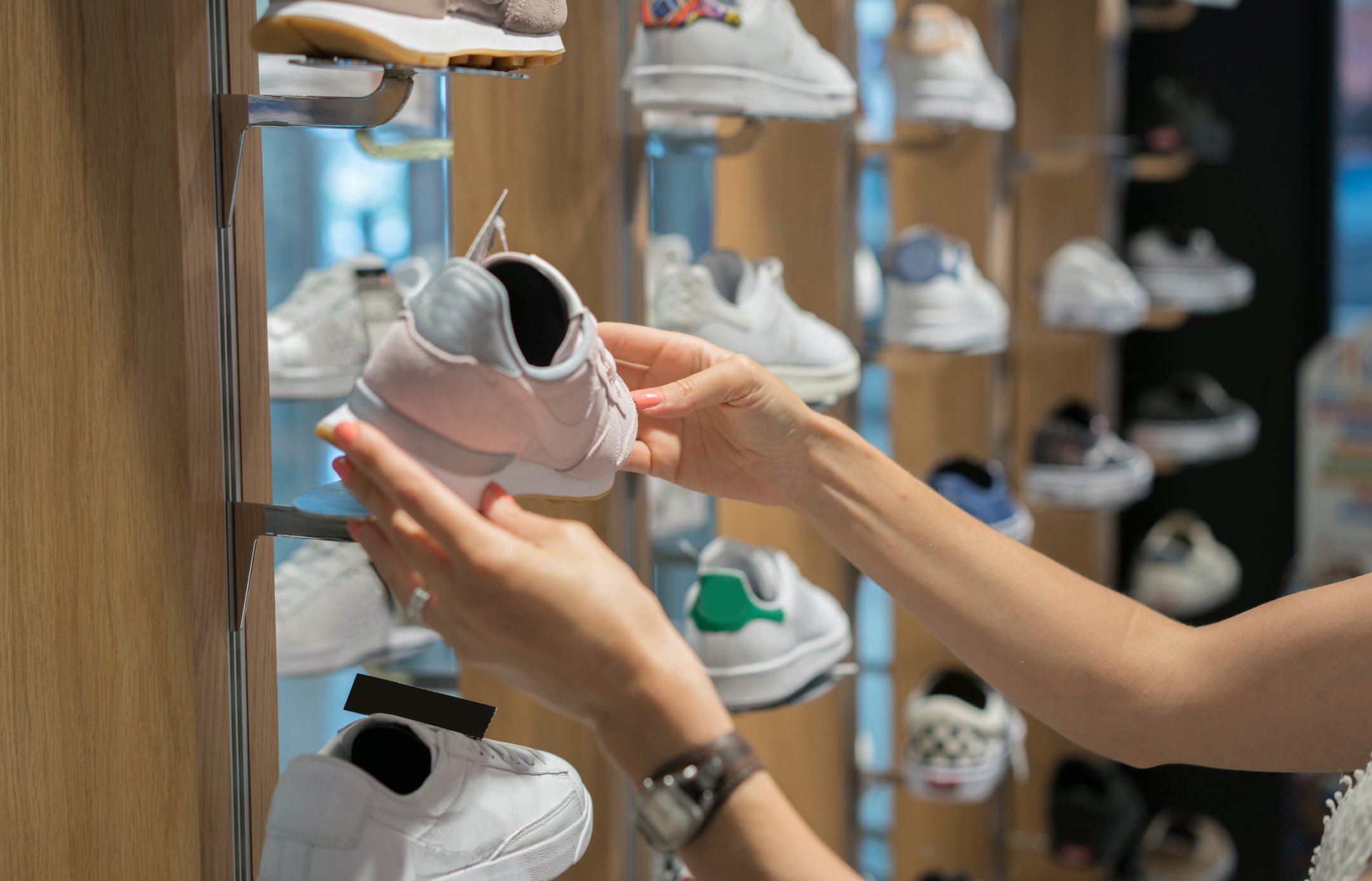
Tennis shoes are essential for players because the game requires quick lateral movements, stopping, starting, cutting, pivoting, and jumping. Running shoes lack the lateral stability necessary for effective play in tennis. Additionally, the traction pattern of tennis shoes varies depending on the type of court surface you're playing on. A professional tennis shoe fitter can help determine the best type of tennis shoe for you.
When selecting tennis shoes, it’s also crucial to consider court surfaces, your style of play, and foot structure. This is important for all sports, but in tennis, lateral support is vital for preventing ankle sprains and other injuries.
In conclusion, selecting the right footwear for your spring activities is essential for both performance and injury prevention. Properly fitted athletic shoes can provide the necessary support, cushioning, and stability, allowing you to enjoy your favorite sports to the fullest. Regularly assessing your shoes and keeping them in good condition will not only enhance your overall experience but also contribute to your long-term performance. Whether you're hitting the pavement for a run or gearing up for a game, remembering these tips will serve you well both this season and in the future.
To schedule your comprehensive biomechanical evaluation, visit drleecohen.com or call our Sports Medicine Podiatry Center and book an appointment at our Marlton, N.J. Sports Medicine Facility or Ridley Park, P.A. Office location with one of our podiatric sports medicine specialists today by calling (610) 522-9200.
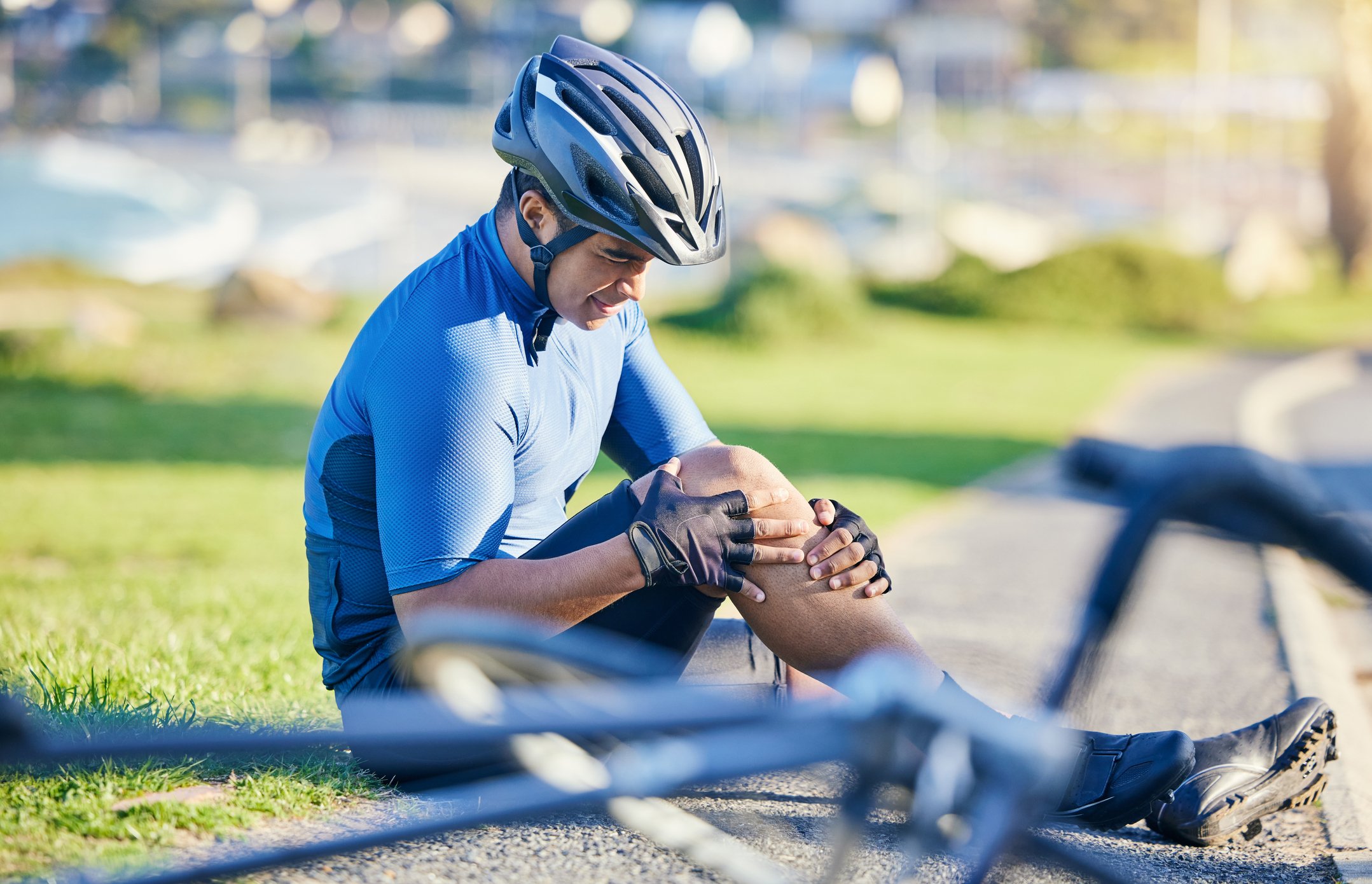 Every day, podiatrists treat cyclists who have sustained overuse injuries from pushing themselves beyond their limits. A routine that includes warming up, stretching, and cooling down can help prevent some of the common injuries mentioned below.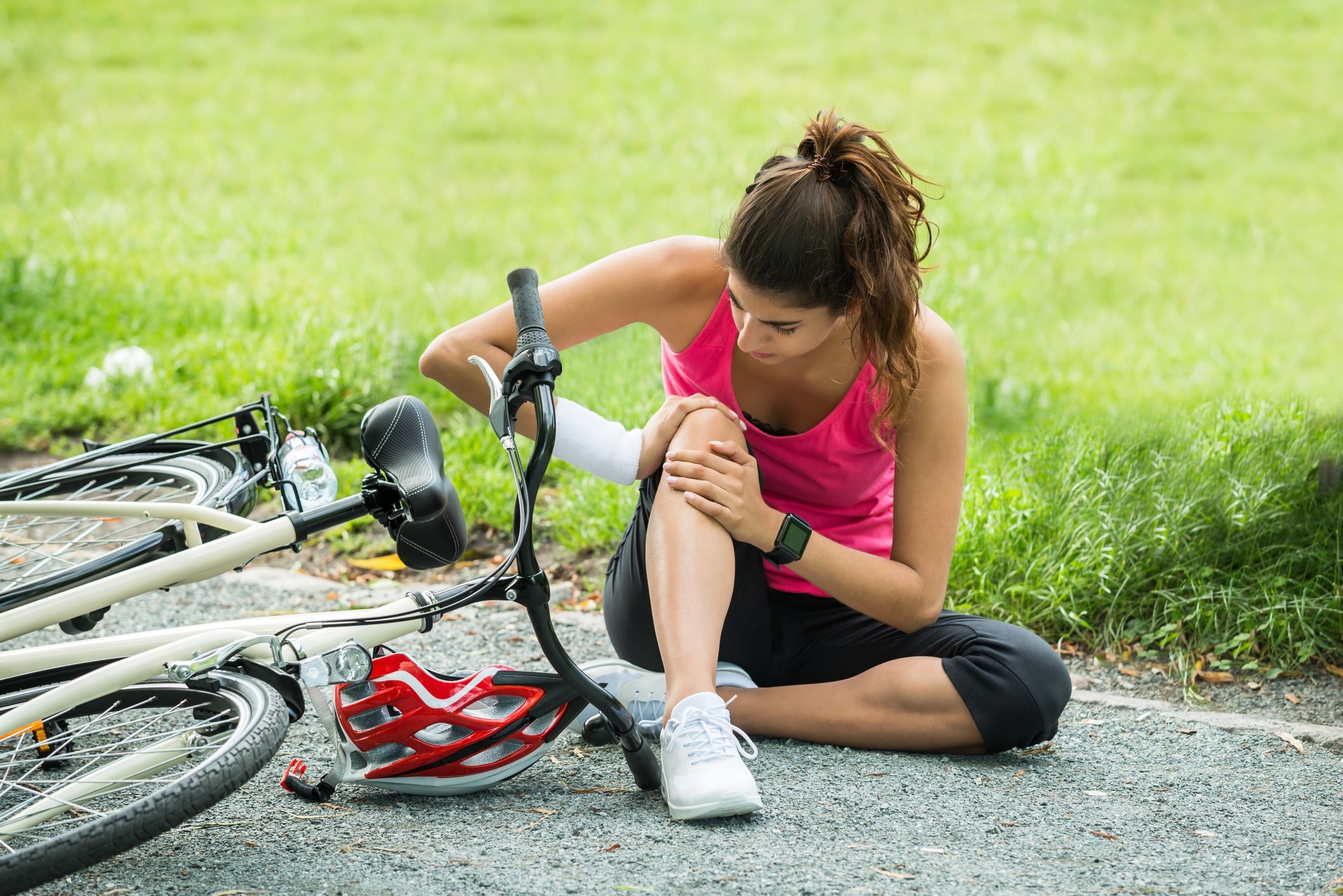
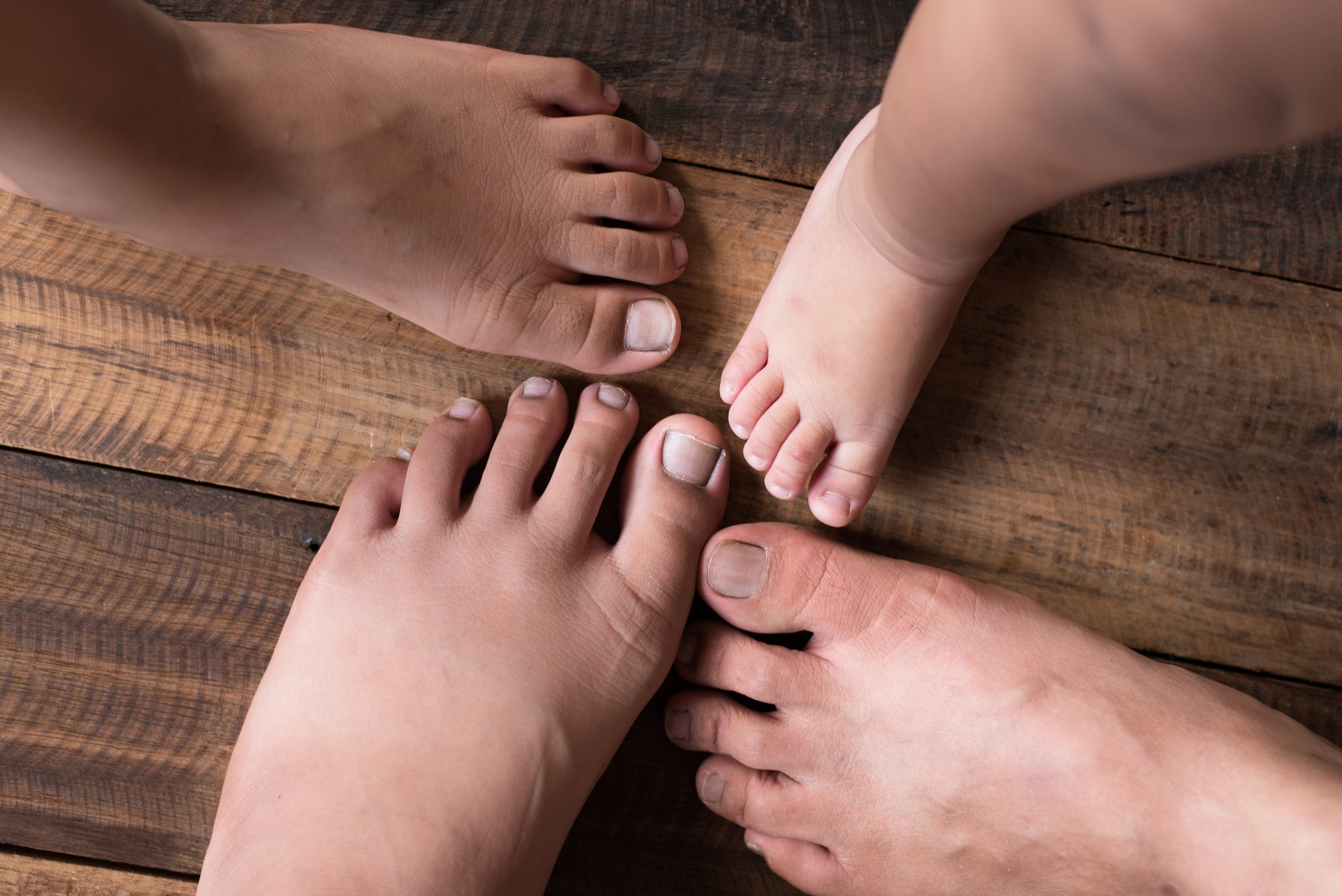 Just like other aspects of our bodies that we inherit from our parents, we also inherit the bone structure of our feet, along with any related problems or associated issues. This means you can thank your parents not only for traits such as your hair color, eye color, and height, but also for many of the foot and lower body issues you may experience.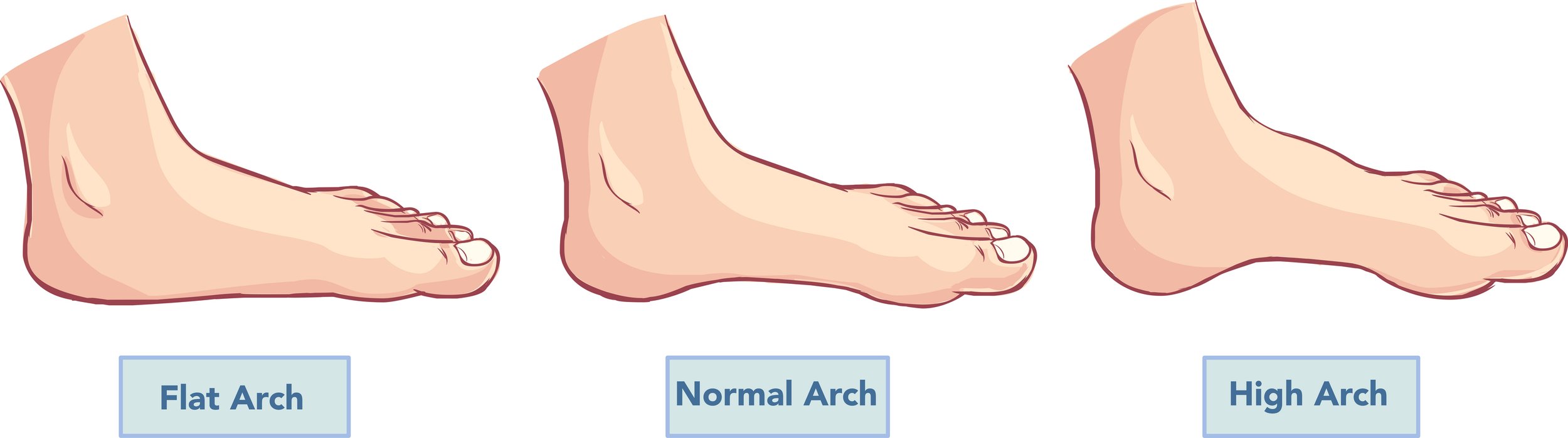
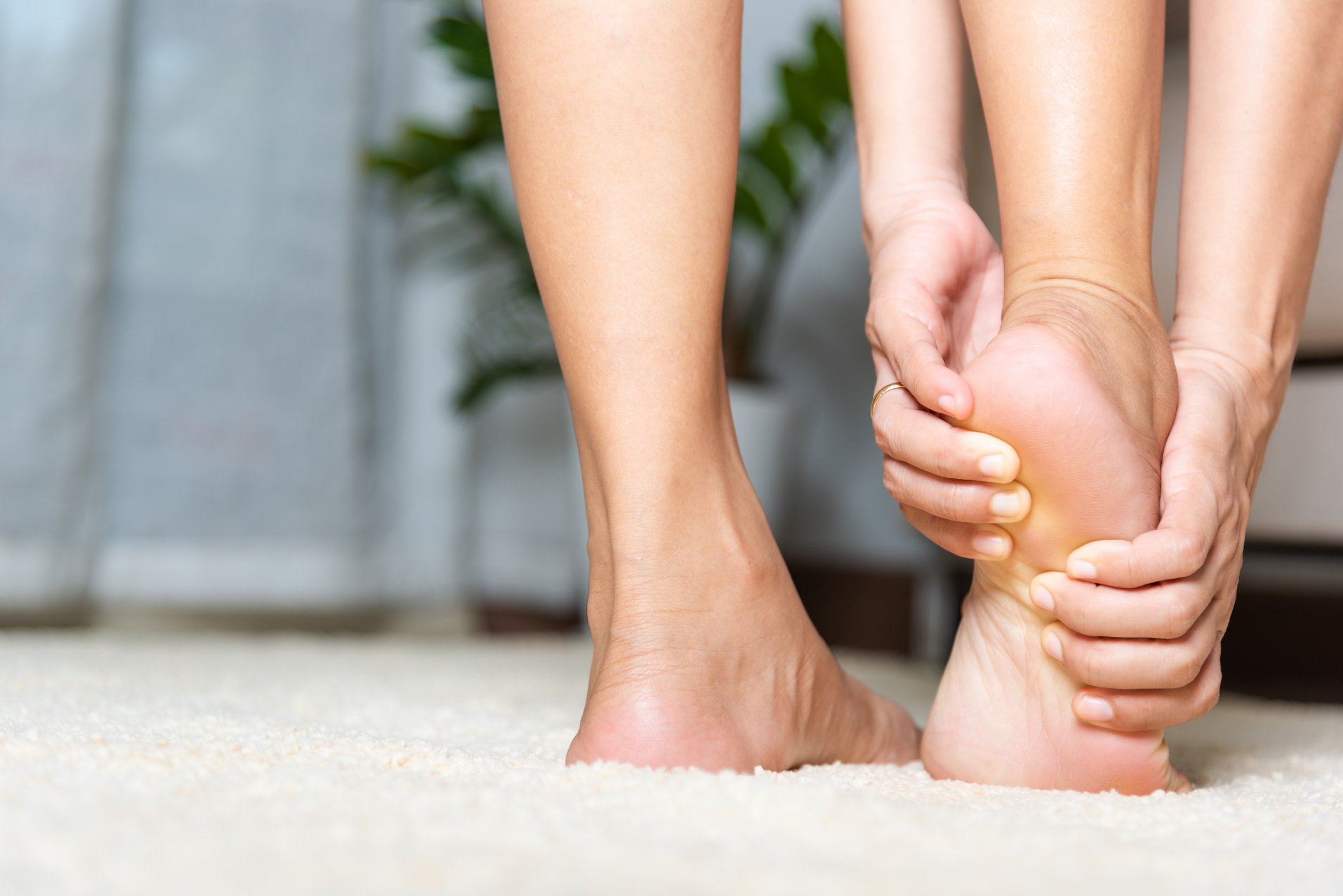
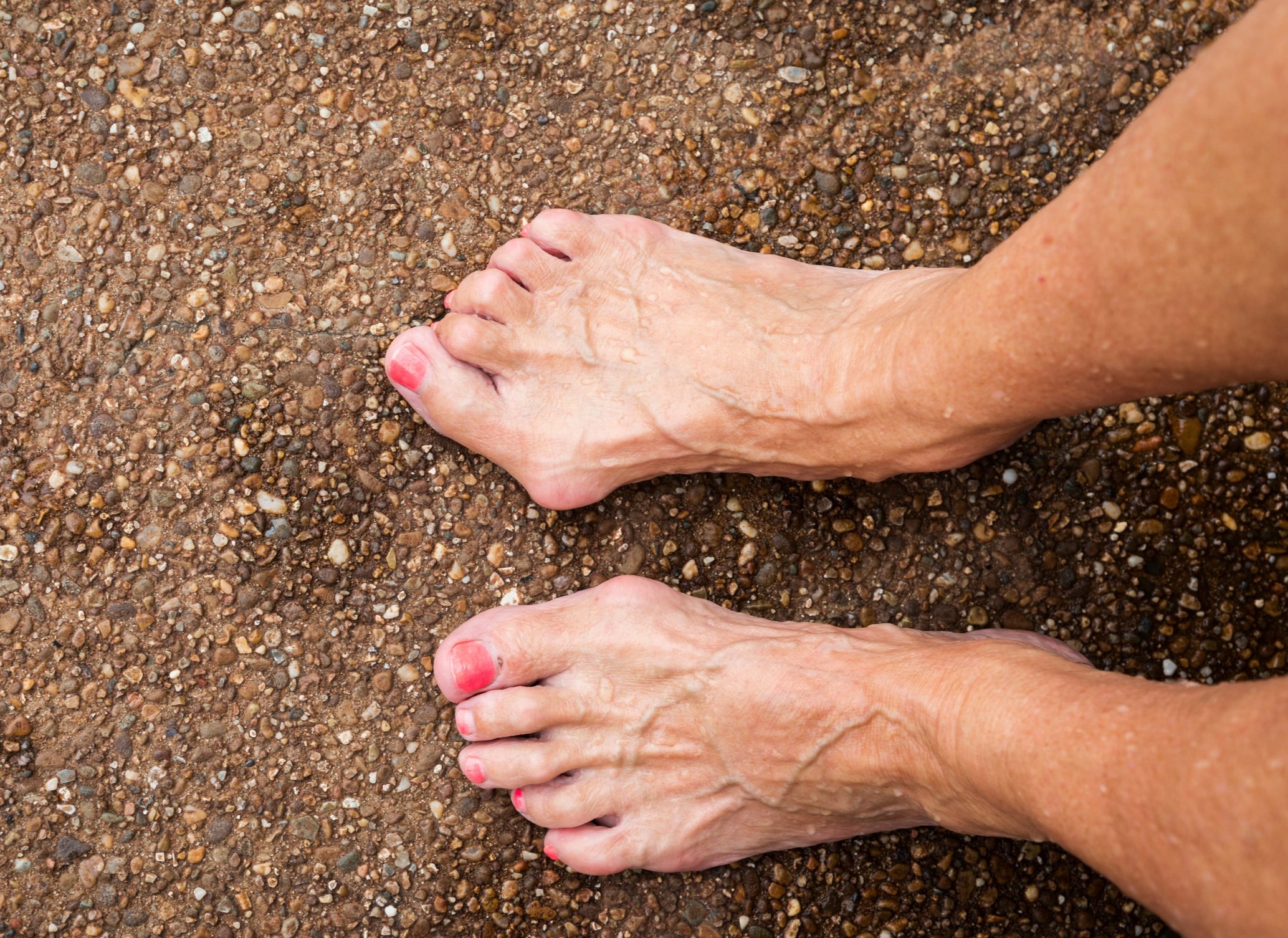
 April is Foot Health Awareness Month and the perfect time to discuss proper body alignment and how misalignment can cause strain, resulting in pain, because proper foot health is one of the most important aspects to address when it comes to proper body alignment. The pain can appear at any level in the body whether it be the back, hips, knees, legs, ankles, or feet, it just depends on where the body’s weakest link is along the kinetic chain. Strain causes pain. And it all begins with the feet.
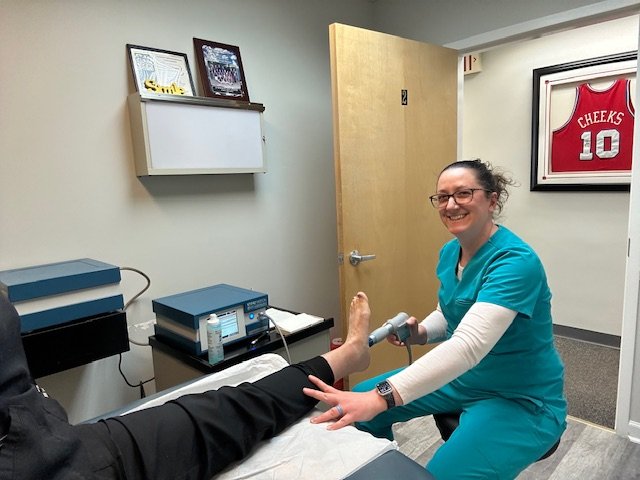 What is shockwave therapy?