ONE FOOT IN FRONT OF………

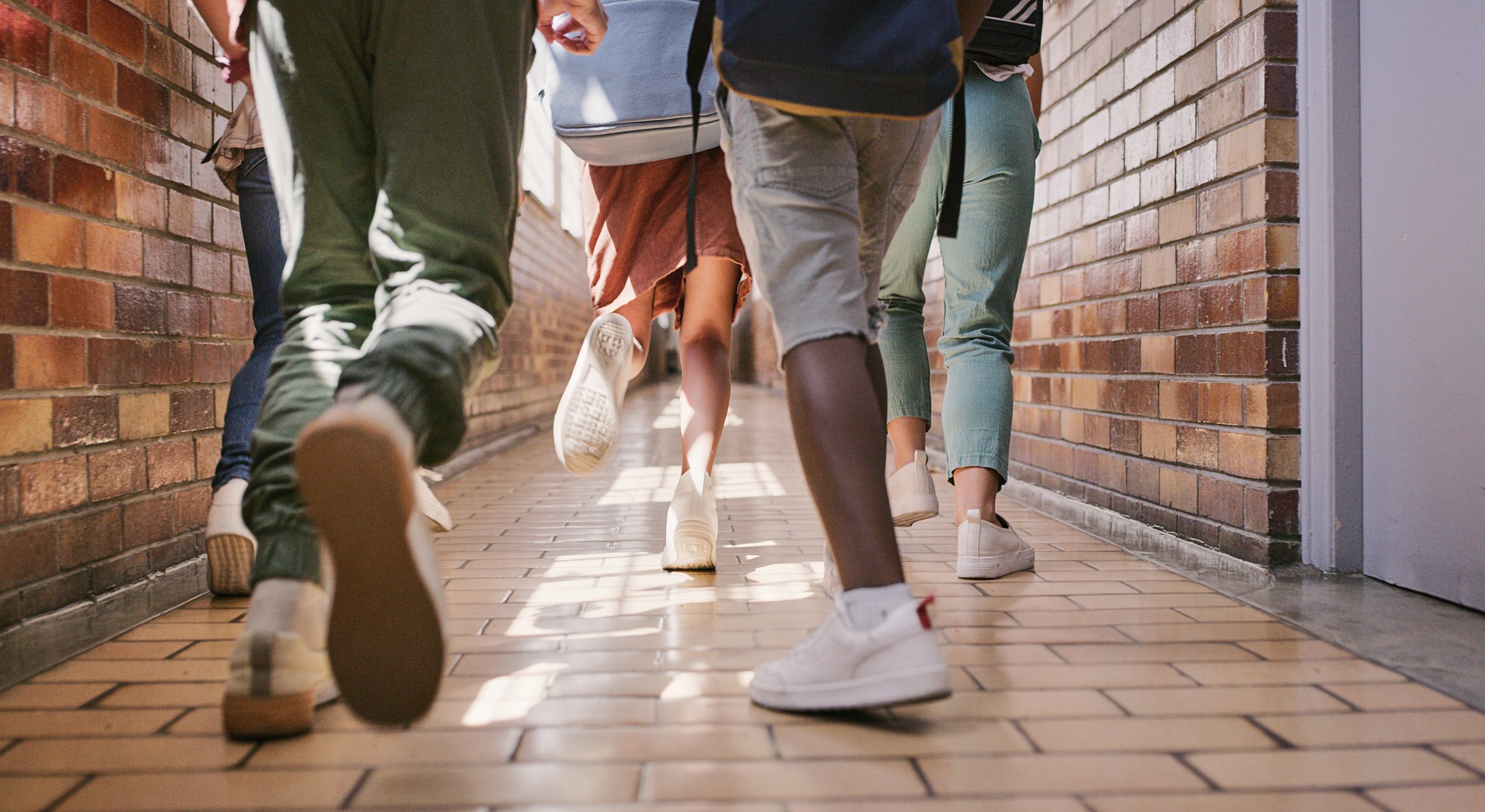
one foot introWalking is no big deal, right? Babies learn to walk. People walk all their lives…thousands of miles. What’s to learn about walking?

Everyone walks a little bit differently, and that means some people may not walk quite right. It might be a good idea to pay attention to how you walk.

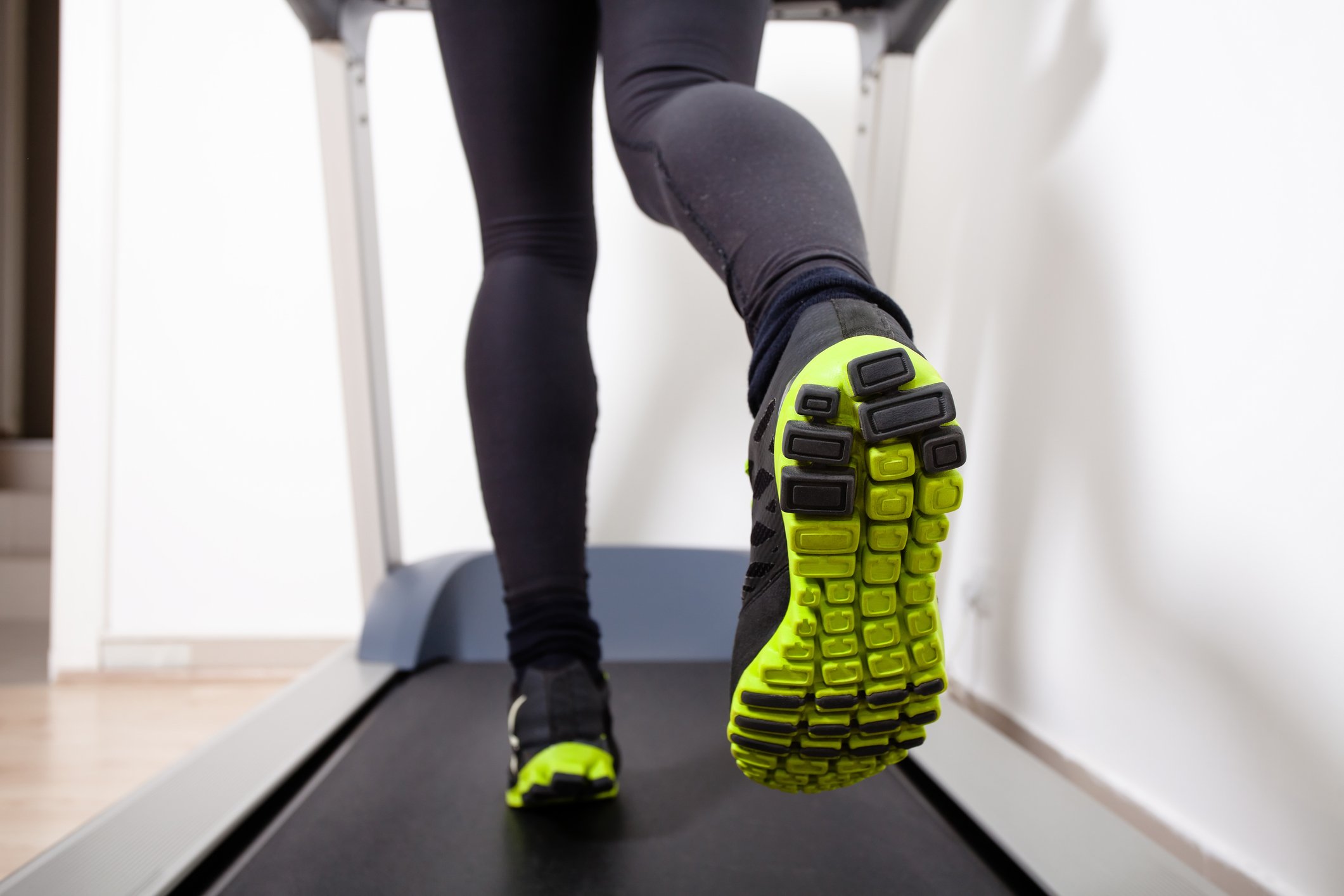
The basics of normal foot movement are the same for everyone. When you walk, your heel touches the ground first. Then you roll over the ball of the foot onto your toes. That foot bears all your weight until the other heel strikes the surface you’re walking on.

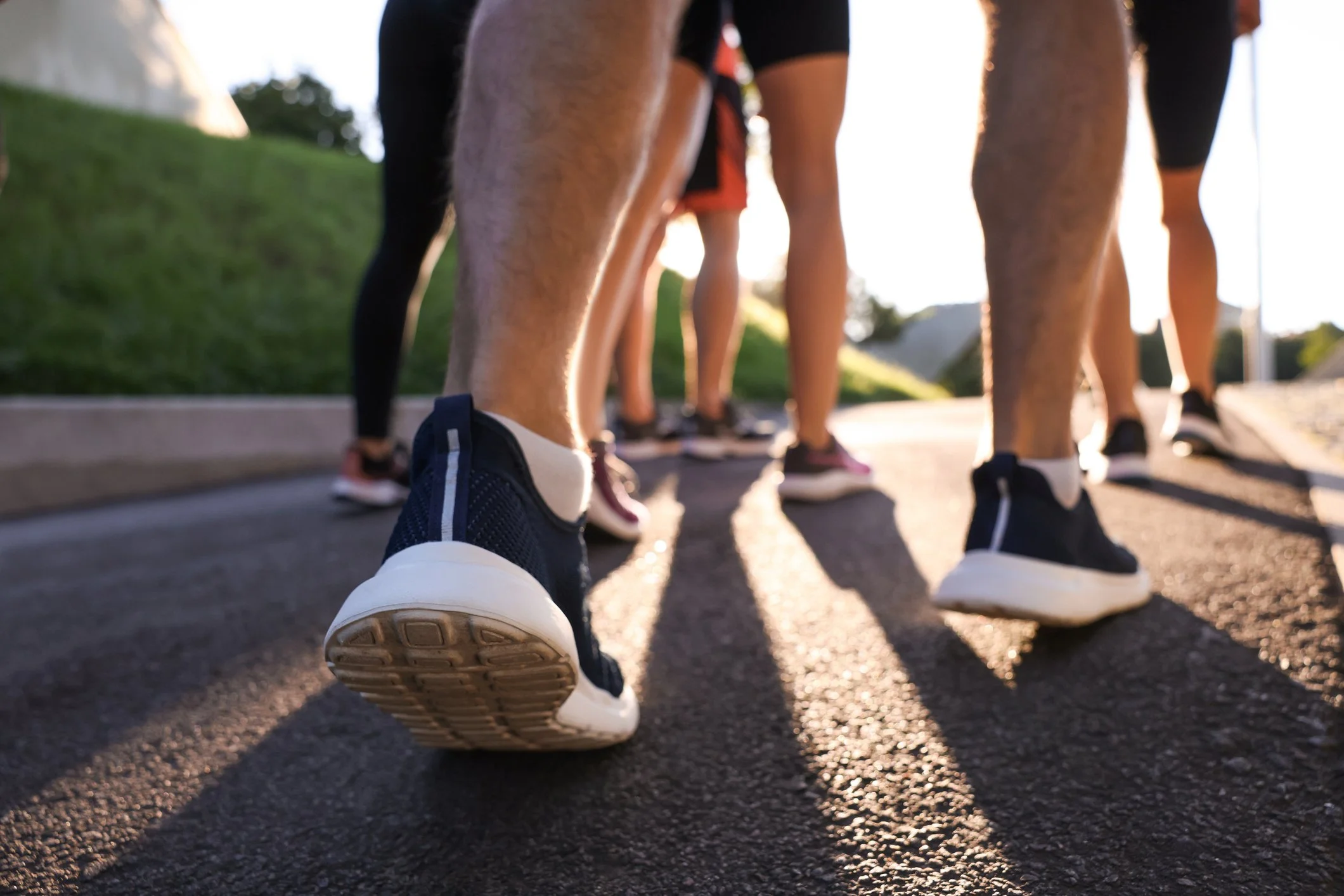
Some people have developed awkward walking styles, often by walking too fast. Walking is different from running. In running, there’s a period of time when both feet are off the ground, whereas in walking, of foot is always on the ground. When you walk, allow for heel-to-toe gait; that is, roll your weight from heel to toe, and then push off form your toes.

Your gait may improve if you relax your knees, swing your legs from the hips, and take shorter strides, which are more efficient than long ones.

A good walk is smooth and fluid, with all your body parts working harmoniously. It’s no big deal, remember? Now just put one foot in front of…….! one foot 01
To schedule your comprehensive biomechanical evaluation including gait analysis, use our contact form or call our Sports Medicine Podiatry Center and book an appointment at our Marlton, N.J. Sports Medicine Facility or Ridley Park, P.A. Office location with one of our podiatric sports medicine specialists today by calling (610) 522-9200 or by visiting us at www.drleecohen.com.


DON’T LET THE HOLIDAYS BE A PAIN IN THE FOOT

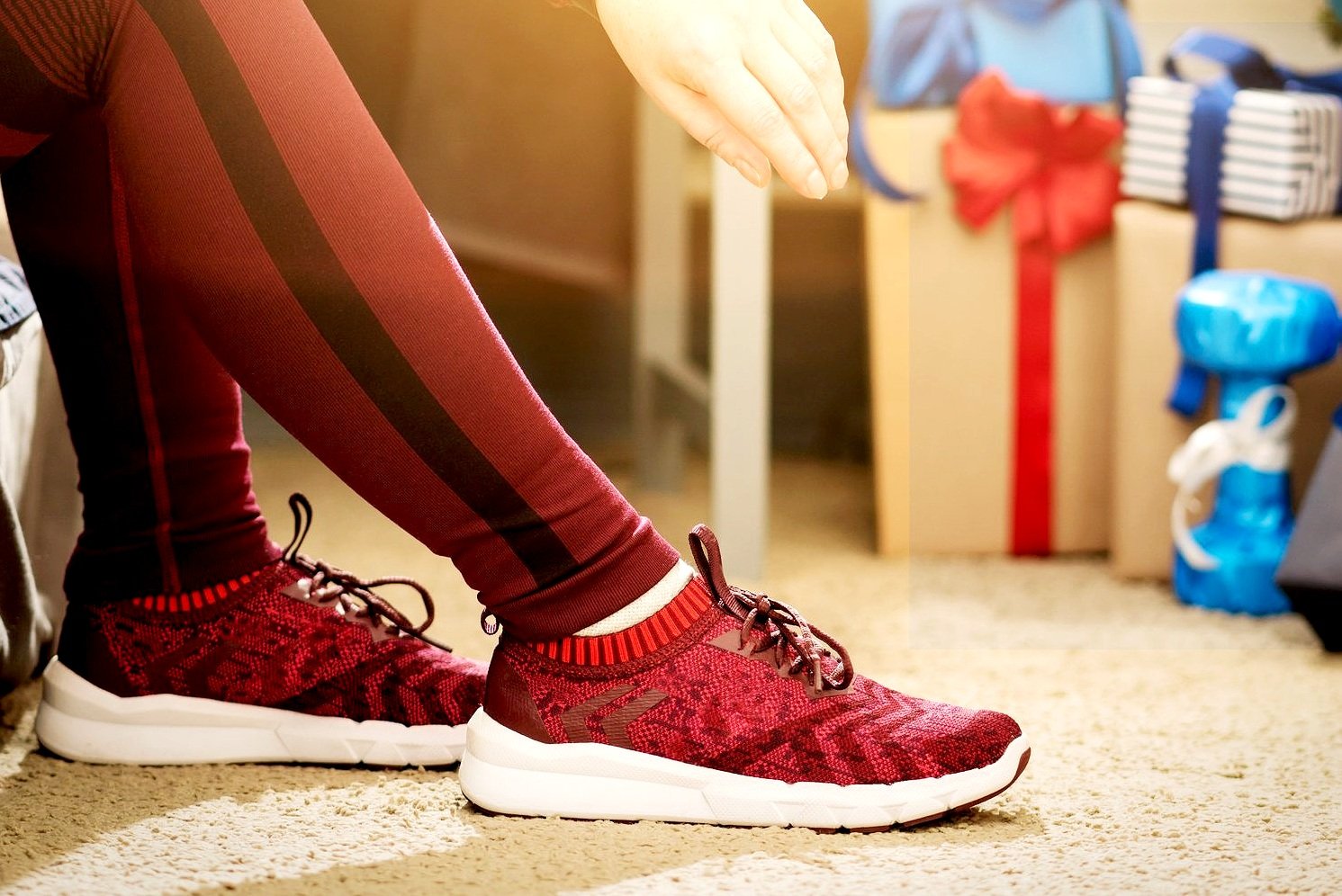
holiday introHolidays are the most wonderful time of the year but can also prove to be a very demanding time of the year, especially when it comes to your feet and lower body. 

Most people will increase their activities substantially during the holidays whether it be while decorating, cooking and baking, shopping, or taking part in holiday celebrations, all of which require excessive periods of walking and time spent on your feet.

Ill-fitting and new shoes are contributing factors and can significantly increase the chances of new holiday foot pain and lower body discomfort but can also cause old foot pain to flare up. 

Here are some tips that can help your feet to stay safer and happier through the holiday season….and beyond.holiday 01

Avoid being barefoot or shoeless while working around the house to help avoid traumatic injuries like broken toes, fractures, and sprains.

Avoid wearing high-heeled shoes for long periods. Consider changing into a lower-heeled pair for relief or walking long distances.

Choose shoes that offer support in the arch and heel and provide plenty of toe room.

Choose a brand of dress shoes from a brand that promotes foot comfort, some examples are Clarks, Florsheim, Easy Spirit, Vionic, Naturalizer, and Cole Haan.

Exercise and stretch your feet, toes, and lower body.

Rest your feet by taking breaks or spacing out foot-intensive activities when possible.

Elevate feet that become sore.

Soak achy feet in Epsom salt.

Custom orthotics can help to alleviate pain by correcting faulty biomechanics and prevent injury and reinjury all year long. holiday 02

 If you or someone that you care for has been experiencing foot or lower body pain don’t wait, come see us, and give yourself and those around you the gift of a comfortable and enjoyable holiday season.

Call our office to schedule an appointment at our Marlton, N.J. or Ridley Park, PA. office (610) 522-9200 or contact us via our website www.drleecohen.com today.


STARTING OFF RIGHT

starting introParents often spend a great deal of time worrying about their children's eyes, teeth, and other highly visible parts of the body. But what about their feet?
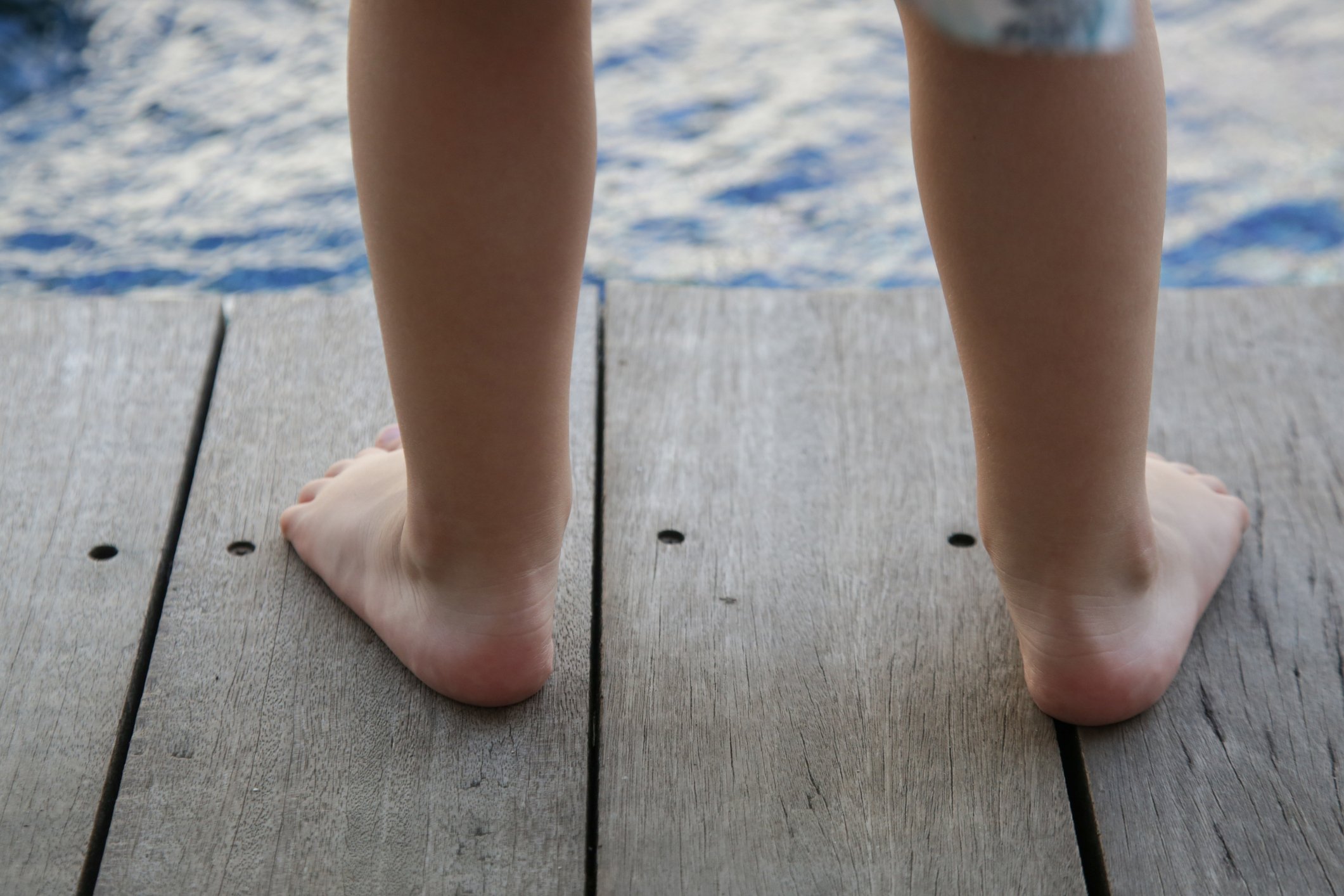
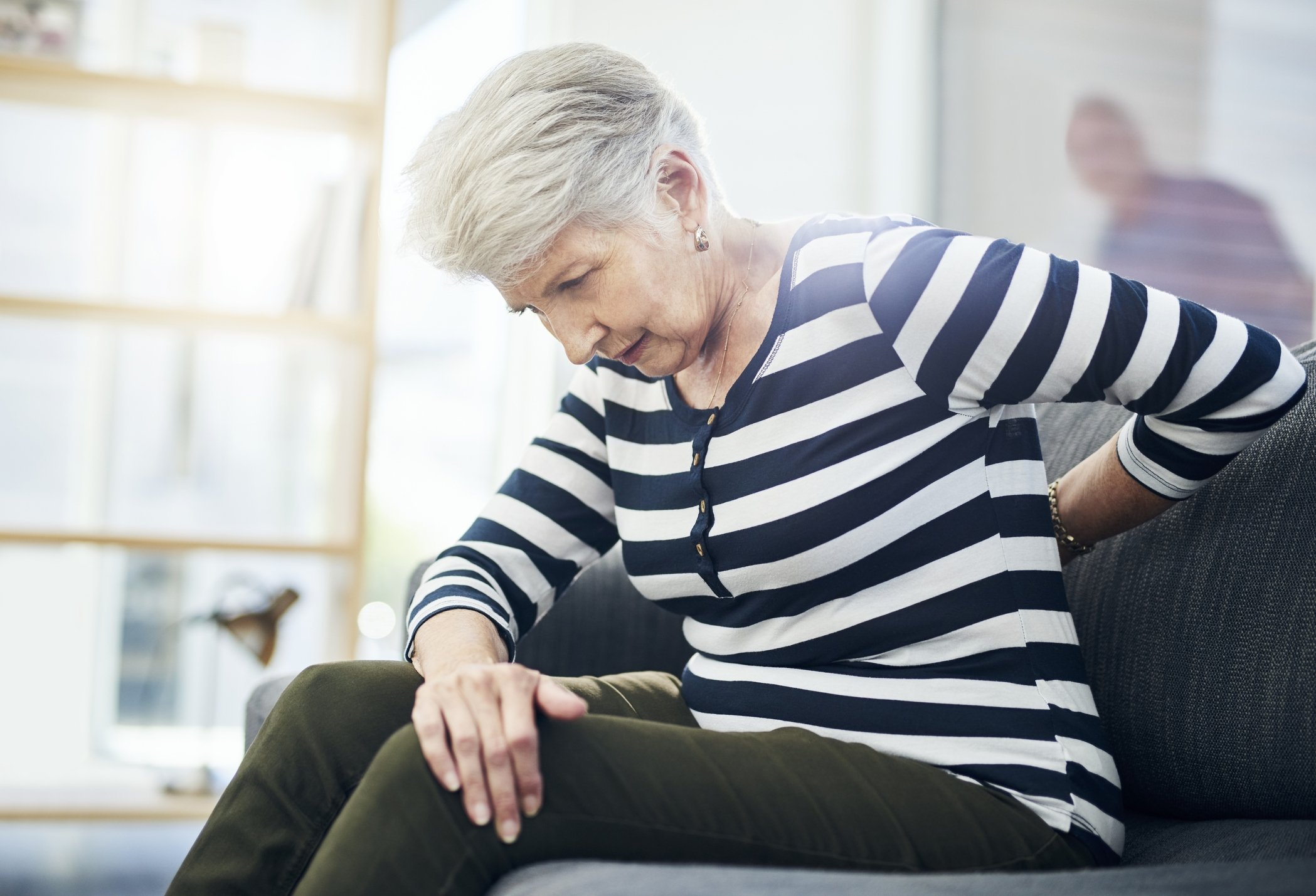
If foot health is neglected early in life, other physical problems may follow. Good foot care should be primary.

  • Don't depend on a child to complain about foot trouble. Growing feet are flexible enough to be distorted without causing pain.
  • Be wary about walking barefoot. Infants and young children don't always need shoes for foot stability, but without foot protection, their feet are subject to cuts and sprains.
  • Study your child's walking patterns despite obvious problems - flat feet, towing in or out, or knock knees, for example. These abnormalities can usually be treated if detected at an early age. And if they are not corrected, they can lead to fatigue, bunions, hammer toes, heel spurs, and other deformities when your child is an adult.
  • If your child is involved in sports, provide proper shoes and, if necessary, provide taping.
  • If your child is not participating in sports or other physical activities, the reason could be that they are suffering from pain due to a foot, ankle, or secondary condition due to faulty biomechanics.

Children’s feet should not hurt. Be sure to read our corresponding article, 10 Warning Signs That Your Child Is Suffering From A Foot, Ankle, or Secondary Condition to learn more. starting 01

If you or someone that you care for suffers from pain in the feet, ankles, knees, hips, and/or lower back, the pain may be due to misalignment caused by faulty biomechanics which can be treated and corrected with the help of custom orthotic insoles. To schedule your comprehensive biomechanical evaluation, use our contact form or call our Sports Medicine Podiatry Center and book an appointment at our Marlton, N.J. Sports Medicine Facility or Ridley Park, P.A. Office location with one of our podiatric sports medicine specialists today by calling (610) 522-9200.


OSTEOPOROSIS PREVENTION

osteoporosis introOsteoporosis is a gradual thinning out of the bones or loss of bone density. Osteoporosis starts in childhood and is more common in women than in men. The reason is that women typically start with lower bone density than men, and the loss of estrogen over time can increase the risk for osteoporosis.
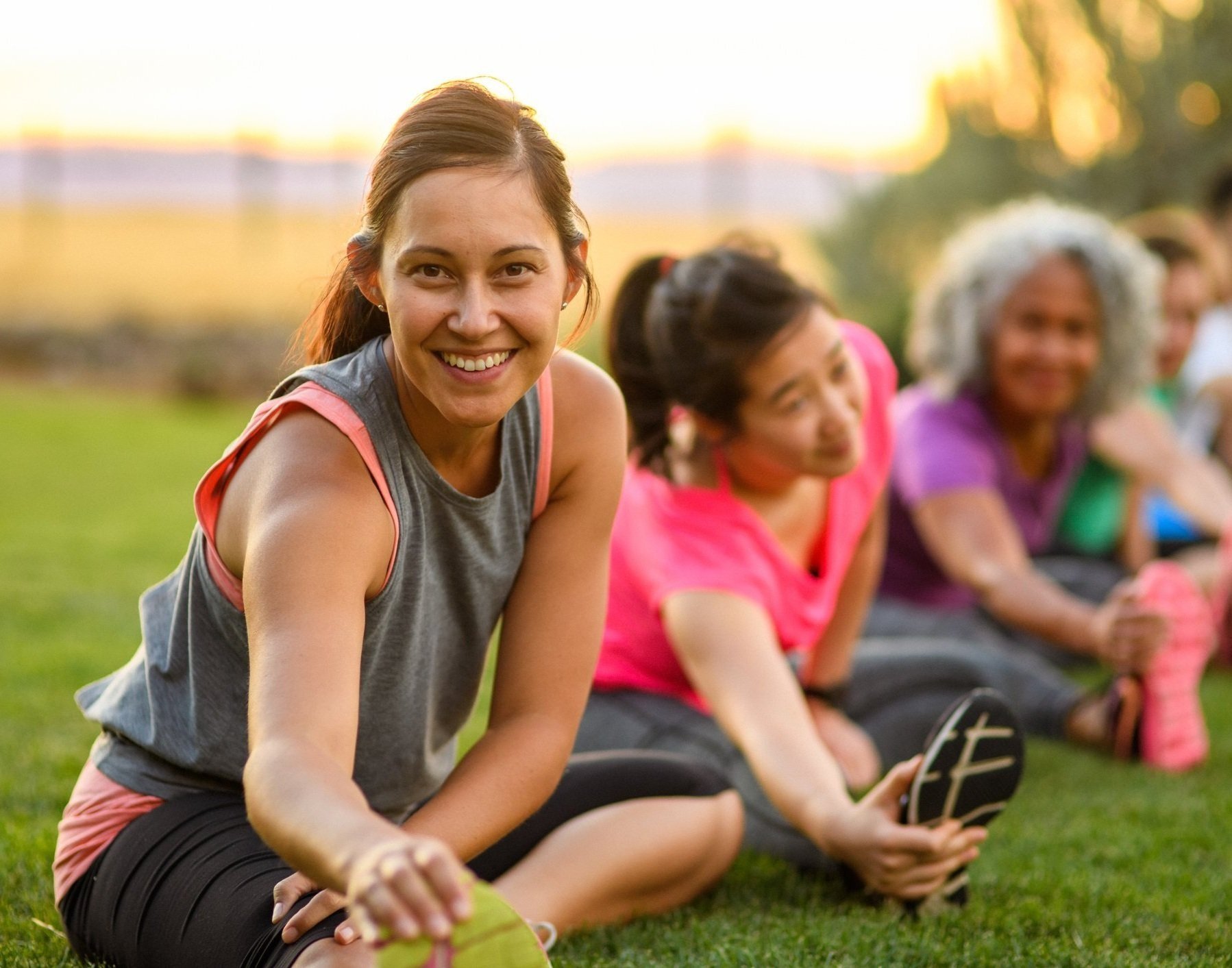
Women stretching

The great news is that there are some things you can do to decrease your risk of osteoporosis. A healthy balanced diet, proper vitamins, and daily exercise can help you navigate osteoporosis.

Here are some recommendations that can help to reduce your risk of developing osteoporosis:

-Take Calcium to avoid bone fractures. Some recommendations for daily calcium intake should be between 1000 and 1200 mg per day you may be able to get this from a good diet.

-Taking vitamin D is a must. Vitamin D helps absorb calcium which is used to strengthen your bones. Sunlight is essential for the production of vitamin D in your body. The recommended dose is anywhere from 200 international units to 800 international units.

-Be sure that you are getting plenty of protein. Protein is in every cell in your body, including your bones. Studies have shown eating protein increases bone mineral density. The recommended daily protein intake is 0.36 grams per pound of body weight so if you are a 140-pound woman you need 50g of protein daily.

-Exercise is essential to help prevent osteoporosis. Exercise helps stimulate the cells responsible for building bones. But not just any exercise will do. To promote bone health try doing weight-bearing and resistance exercises 3 to 4 times a week. Weight-bearing exercises focus on carrying the weight of your body against gravity. Walking, running, dancing, hiking, and tennis are some examples of resistance exercises using opposing forces. Using weights, elastic bands, or water to strengthen muscles and build bones are some additional factors that are helpful in the prevention of the development of osteoporosis.

Some other essential key factors to consider are quitting smoking, limiting alcohol consumption, maintaining a healthy weight, staying active, and eating a well-balanced diet. osteoporosis 01

Even though Osteoporosis is common, it can be avoided. By putting a daily plan in place using a few key tactics you can become more confident that you are helping to maintain a healthier lifestyle in your preemptive strike against osteoporosis.

If you or someone that you care for suffers from pain in the feet, ankles, knees, hips, and/or lower back, the pain may be due to misalignment caused by faulty biomechanics which can be treated and corrected with the help of custom orthotic insoles. To use our contact form or call our Sports Medicine Podiatry Center and book an appointment at our Marlton, N.J. Sports Medicine Facility or Ridley Park, P.A. Office location with one of our podiatric sports medicine specialists today by calling (610) 522-9200.


scroll to top