HEALTHY WEIGHT = HEALTHIER FEET

healthy weight introJanuary is National Healthy Weight Awareness Month, which makes it a good time to reflect on how body weight affects our feet and lower body health, ultimately influencing our overall well-being.

Did you know that for every pound you add to your weight, your feet endure an additional six pounds of pressure? Therefore, even a small amount of weight loss can significantly improve your foot health.

Carrying extra weight can strain our joints, leading to discomfort and stiffness over time. However, by shedding those extra pounds, we can significantly lighten the load on our joints, enhancing their function, especially in the feet, ankles, knees, and hips. This positive change not only promotes better mobility but also helps reduce the risk of joint-related issues and injury. 

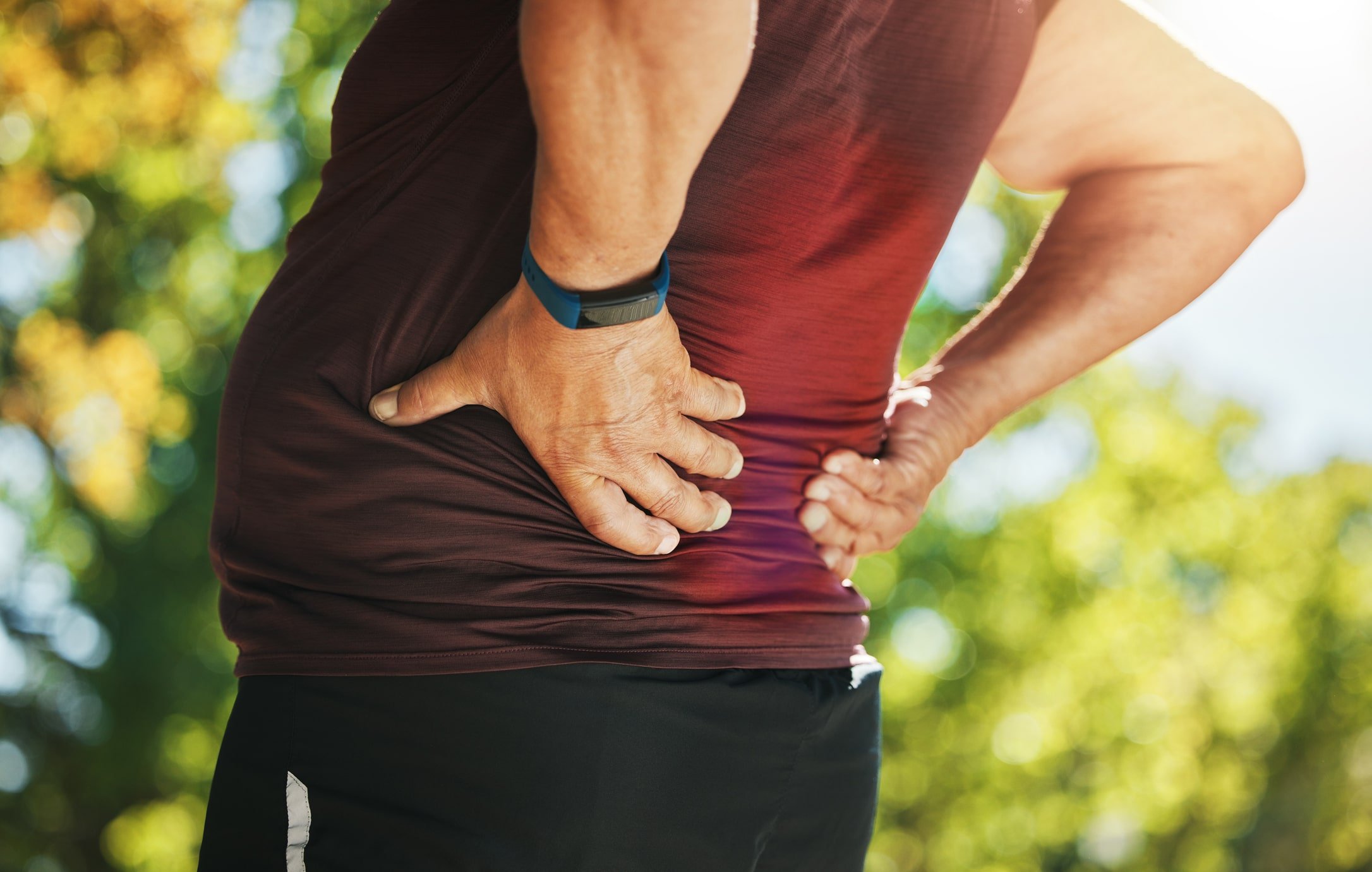
An imbalance, or even the slightest biomechanical shift, can change your posture, affect your entire body, and cause you to feel pain in multiple areas along the kinetic chain. healthy weight back pain

Added weight can affect the way you walk and make you more susceptible to additional painful conditions of the feet as well as secondary conditions of the ankles, knees, legs, hips, and lower back.

In addition to causing imbalances, joint strain, pain, and increased risk of injury, being overweight can cause many conditions that affect the feet and body (including but not limited to):

  • Flatfeet
  • Plantar fasciitis
  • Nerve Pain
  • Diabetes
  • Corns & Callouses
  • Bunions & Hammertoes

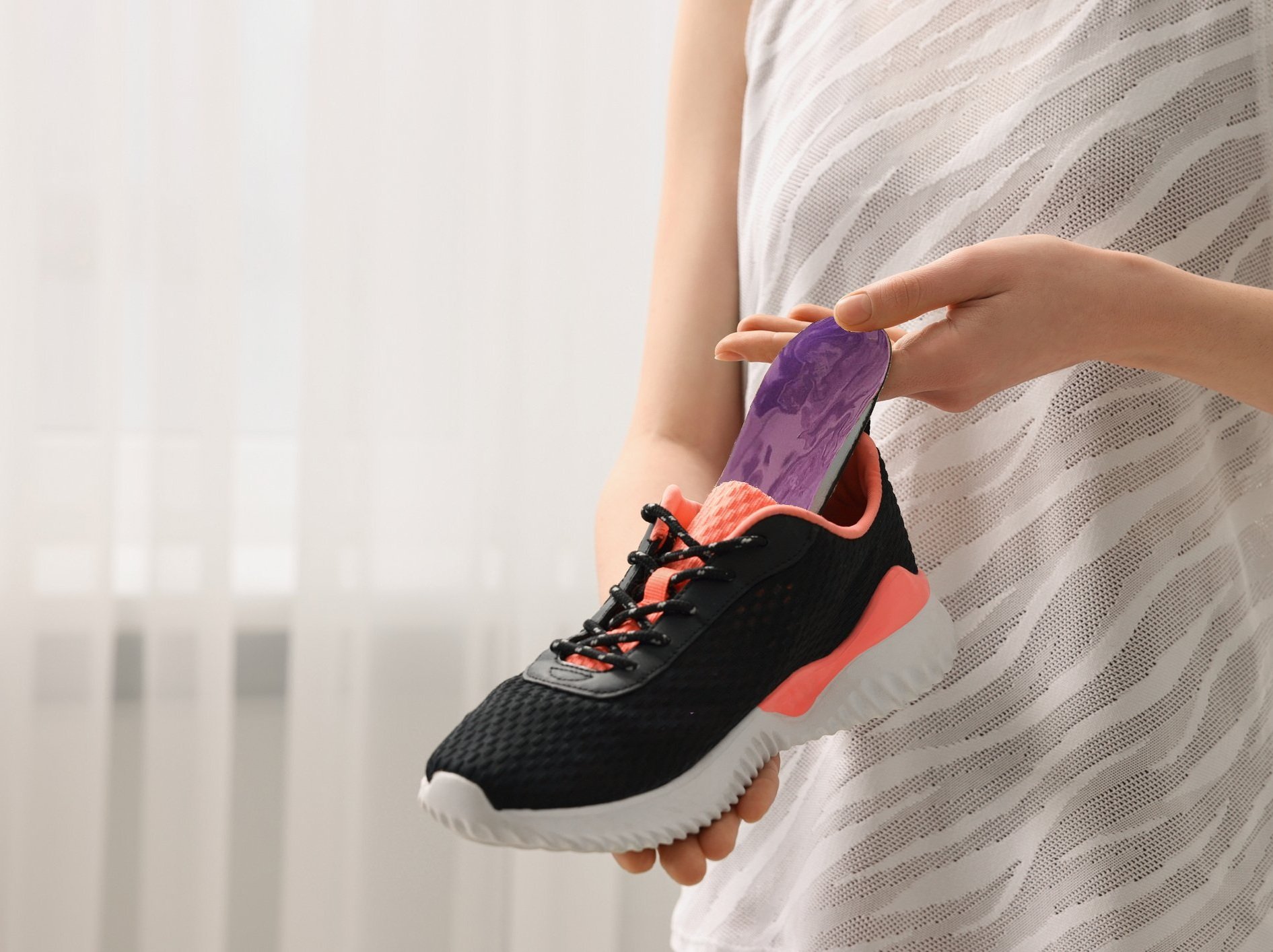
Custom Orthotics can help to correct imbalances that result from many of the painful conditions mentioned above by supporting and gently repositioning the heel, arch, muscles, ligaments, tendons, and bones in the feet. healthy weight woman and shoe

Committing to a regular exercise routine, which includes stretching, and replacing unhealthy food choices with healthier options are effective ways to reduce your weight. This, in turn, helps to decrease the pressure on your feet. Your feet—and your entire body—will thank you for it.

To learn about how custom orthotics can help you reach and exceed your goals and improve your activity so that you can do more of what you love with more confidence and less pain and to schedule your comprehensive biomechanical evaluation visit or call our Sports Medicine Podiatry Center and book an appointment at our Marlton, N.J. Sports Medicine Facility or Ridley Park, P.A. Office location with one of our podiatric sports medicine specialists today at (610) 522-9200.



GET YOUR BODY COLD WEATHER READY

cold weather introBefore exercising in chilly weather, it's essential to stretch. Cold temperatures can cause your muscles to tighten, increasing the risk of injury.

By warming up with some stretches, you boost blood flow and enhance flexibility, helping to keep those strains and tears at bay.
Man warming up to run on snowy trail

In the world of physical therapy, there is an expression: motion is lotion. This means better lubrication for your joints and better movement of your muscles.

There are two types of stretching that need to be done, static stretching and dynamic stretching.

Static stretching is one that we are most familiar with, which includes static stretching of the hamstrings, quadriceps, and calves.

Dynamic stretching must also be included in your workout routine. Dynamic stretches include stretches such as lunges, leg kicks, and arm circling. cold weather man

Stretching limbers up your muscles and get your blood moving which in turn keeps you warmed up and ready to work out. Embrace this simple practice for a safer, more enjoyable workout.


THERE ARE WAYS TO RUN

ways to run intro
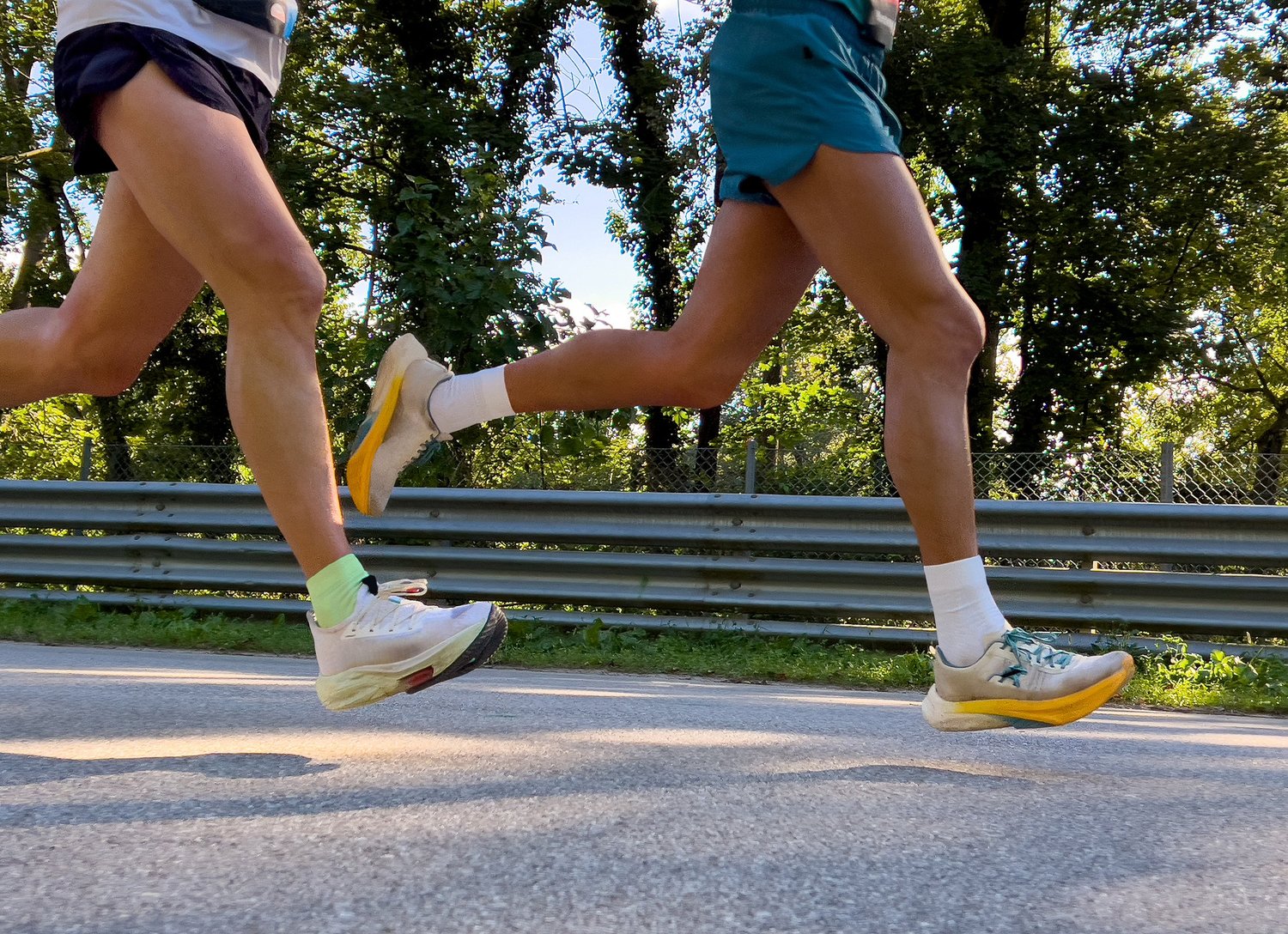
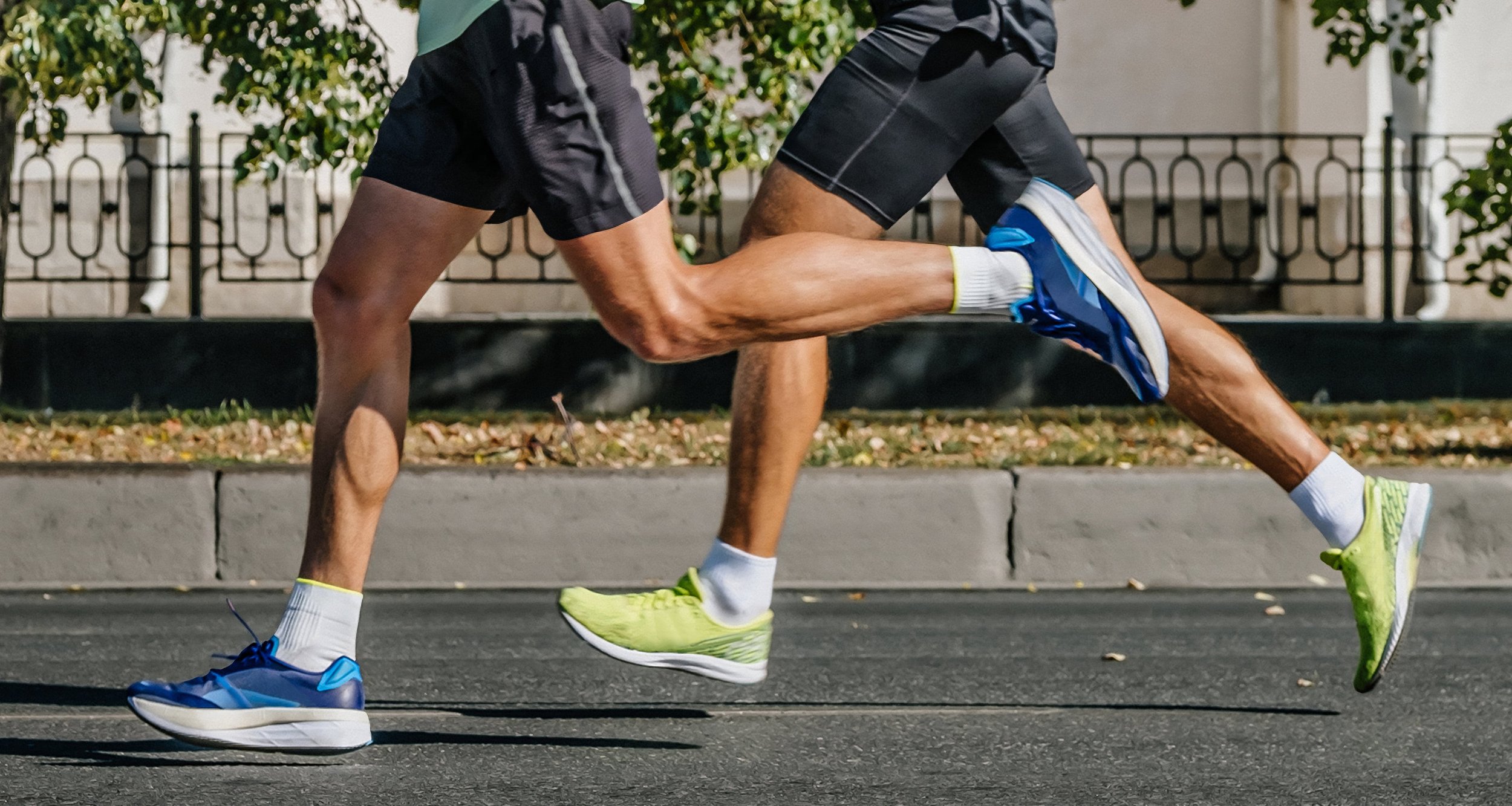
Many people are injured while running simply because they do not know how to run. There are specific movements which go along with efficient injury-free running. We start with the landing of the foot. 

In slow running, the foot must land on the heel first, then the ball of the foot, and finally the toes. Sprinters, however, do not land on their heels, rather using the ball of the foot as a base of operations, and the toes as a push off device.

Some people do not do this. Instead, they land on the heel and the ball of the foot at the same time.

This is called pronation, and it is a runner’s enemy, for it causes all sorts of injuries.

If you run a little bit pigeon-toed, you can also stabilize your knees.

When springing off from your feet, your body should be inclining slightly forward at the ankles, and as you run faster, your body should tilt farther and farther forward.

The legs should move straight forward and backwards. The spring itself should be made using the ankle and the front part of the foot. ways to run 01

To take away some of the fatigue which comes with running, your upper body should be cooperating also. Run with your chin and chest both held high, dangle your arms and hands only occasionally, swing your arms in opposition to the legs and breather with your mouth open.

All these techniques are designed to allow the maximum usage of oxygen for the body.

Remember, if you are a beginning runner, and you have been frequently experiencing pain during a workout, maybe you need to examine your running style. It is easy to do and worth the trouble.

To schedule your comprehensive biomechanical evaluation including gait analysis call our Sports Medicine Podiatry Center and book an appointment at our Marlton, N.J. Sports Medicine Facility or Ridley Park, P.A. Office location with one of our podiatric sports medicine specialists today by calling (610) 522-9200 or by visiting us at www.drleecohen.com.

scroll to top