WHAT ARE SHIN SPLINTS?

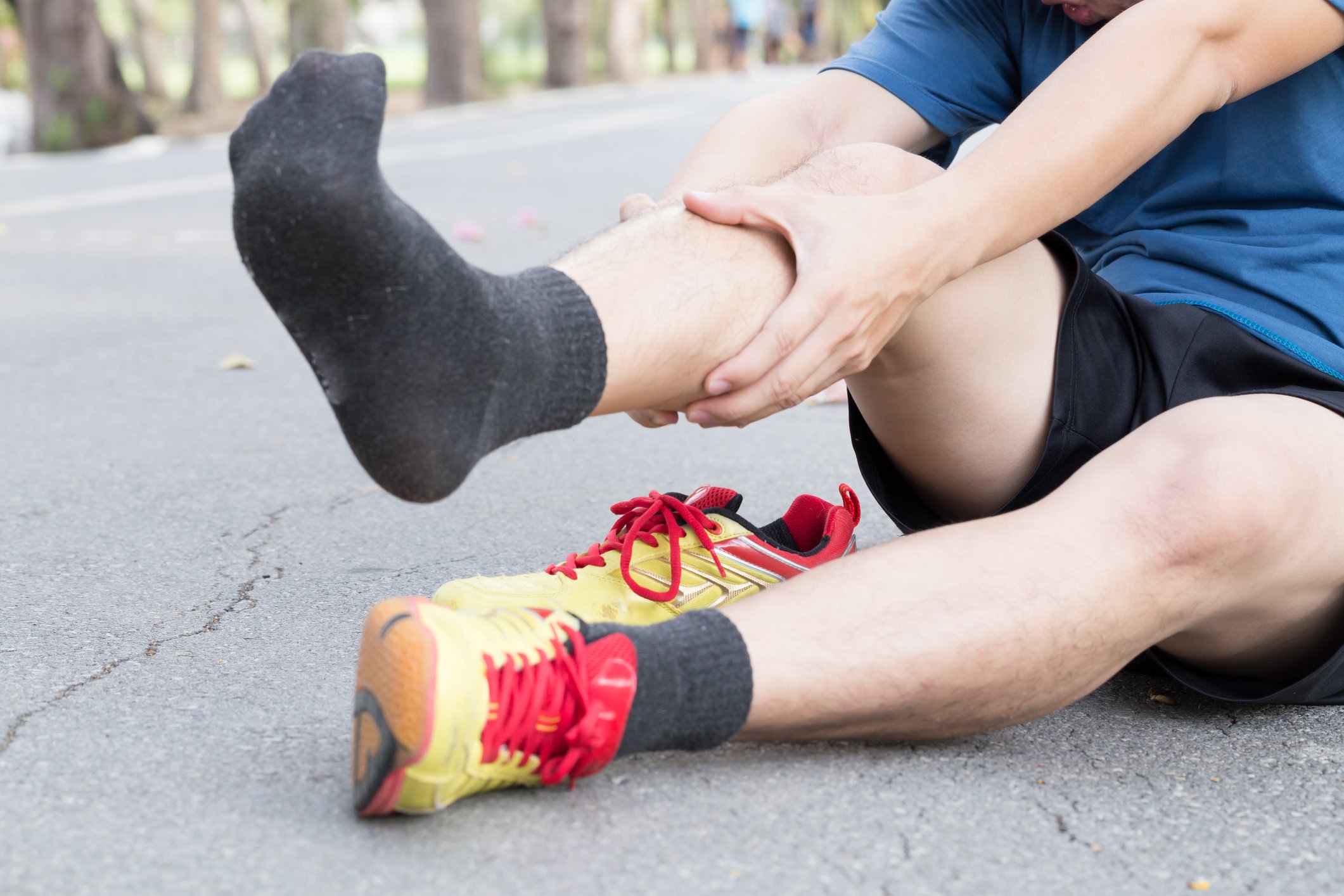
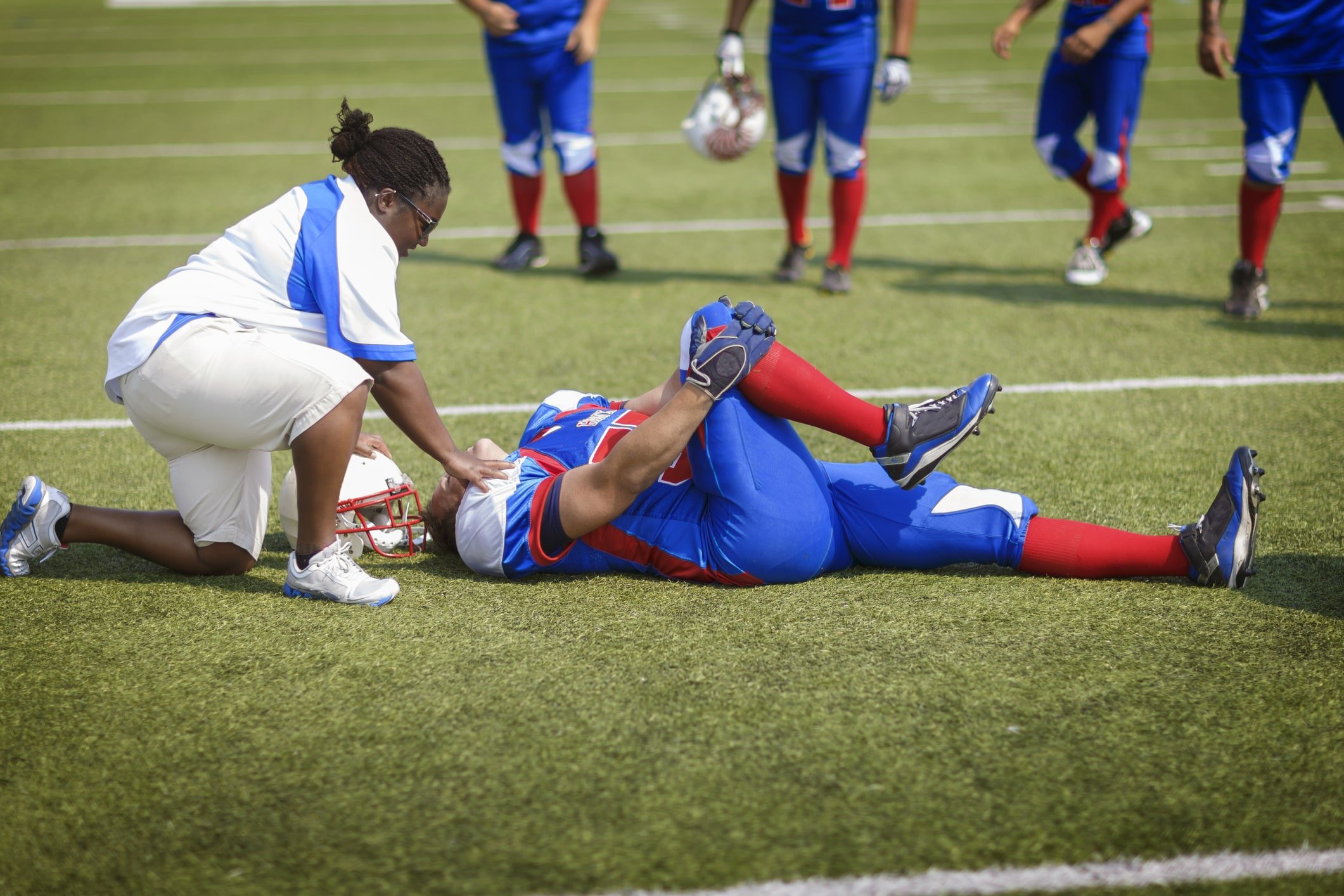
shin spints introShin splints are a common exercise problem and sports injury, but what exactly does it mean?  Shin Splints is the blanket term for lower leg pain that occurs below the knee on the front outside of the inside of the leg. Typically, one leg is involved, and it is almost always the dominant one. If you are right-handed, you are usually right footed as well and that’s the leg that’s going to hurt.

The medical term for shin splints is medial tibial stress. The stress occurs with the inflammation of muscles, connective tissue, and bone tissue along the inner shin bone (tibia). The stress is directly related to physical activity, typically running or dancing. Moreover, any type of vigorous activity can bring about this problem, especially if starting a new fitness routine.

For example, inexperienced runners who do not build their mileage gradually enough or seasoned runners who suddenly add too much mileage or switch from running on flat surfaces to hills.

When shin splints strike, you should stop running completely or decrease your training depending on the extent and duration of the pain. Then as a first step, ice your shin to reduce inflammation.
Stretching exercises done before you run or partake in sports will help you avoid getting shin splints. shin splints 01

Common causes of shin splints can be overpronation, inadequate stretching, worn shoes, excessive stress placed on one leg or one hip from running on uneven roads or always running in the same direction on a track.

If you are experiencing chronic pain, you may have a stress fracture or muscle condition that requires treatment by a foot specialist. A basic history and physical exam can point the doctor in the direction if tests are needed. Typically, a basic x-ray of the shin is the starting point. Other tests might be necessary during the investigation such as an MRI, ultrasound, bone scan or blood tests.

If you or someone that you care for suffers from pain in the feet, ankles, knees, hips, and/or lower back, the pain may be due to misalignment caused by faulty biomechanics which can be treated and corrected with the help of custom orthotic insoles.  To schedule your comprehensive biomechanical evaluation, visit drleecohen.com or call our Sports Medicine Podiatry Center and book an appointment at our Marlton, N.J. Sports Medicine Facility or Ridley Park, P.A. Office location with one of our podiatric sports medicine specialists today by calling (610) 522-9200.

DR. COHEN’S PICKLEBALL SHOE LIST

A good pickleball shoe provides support for your feet and ankles to help prevent injuries. Some important features of a great pair of pickleball shoes include excellent cushioning to absorb impact, stability for feet and ankle’s lateral movements and quick stops and starts, and grippy outsoles to help reduce sliding. Regular shoes or shoes made for walking and running are not recommended for pickleball because they are not suitable for the types of directional movements that playing pickleball requires.

Dr. Cohen recommends the following:

Wilson Rush Pro 4.0 for Women


Wilson Rush Pro 4.0 for Women

- Stable
- Explosive
- Exceptional lateral support
- Breathable upper
- Well cushioned midsole
- Accepts orthotics well


pickleball shoe list BabolatSFX3Babolat SFX3 All Court Shoe

- True to size
- Excellent for wide feet
- Breathable upper durable layered mesh design
- Active flexion technology reduces stress on pressure points
- Outsole provides excellent traction
- Accepts orthotics well


Tyrol Striker Pro V Court Shoe

- Aerated EVA midsole for great cushioning
- Open-weave nylon upper for ventilation
- Excellent stability from shank, heel counter, and toe guard
- Hard to find in stock and pricey
- Accepts orthotics well


Babalot Jet Mach 3
Babalot Jet Mach 3

- Lightweight
- Great support
- Michelin sole resists abrasion
- Durable and flexible
- Accepts orthotics well


K-Swiss Women’s Express Light

- Lightweight
- Great for quick sprints
- Good traction
- Easy pivot and direction change
- Accepts orthotics well


New Balance Fuel Cell 996v6

- Fuel cell foam delivers a propulsive feel
- Good upper durability
- Durable toe guard
- High-wear outsole durability
- Non-marking outsole
- Accepts orthotics well


To learn more about how to avoid foot and ankle injuries while playing pickleball, America’s fastest-growing sport, check out our Pickleball Injuries on the Rise article.

WARMING UP FOR COLDER WEATHER

We all know the importance of stretching before exercising. It is as important as exercising.

Stretching increases flexibility and range of motion. Physical therapists call it “lotion for your motion”. This means that the more the joints are lubricated, the better the movement of the muscles.

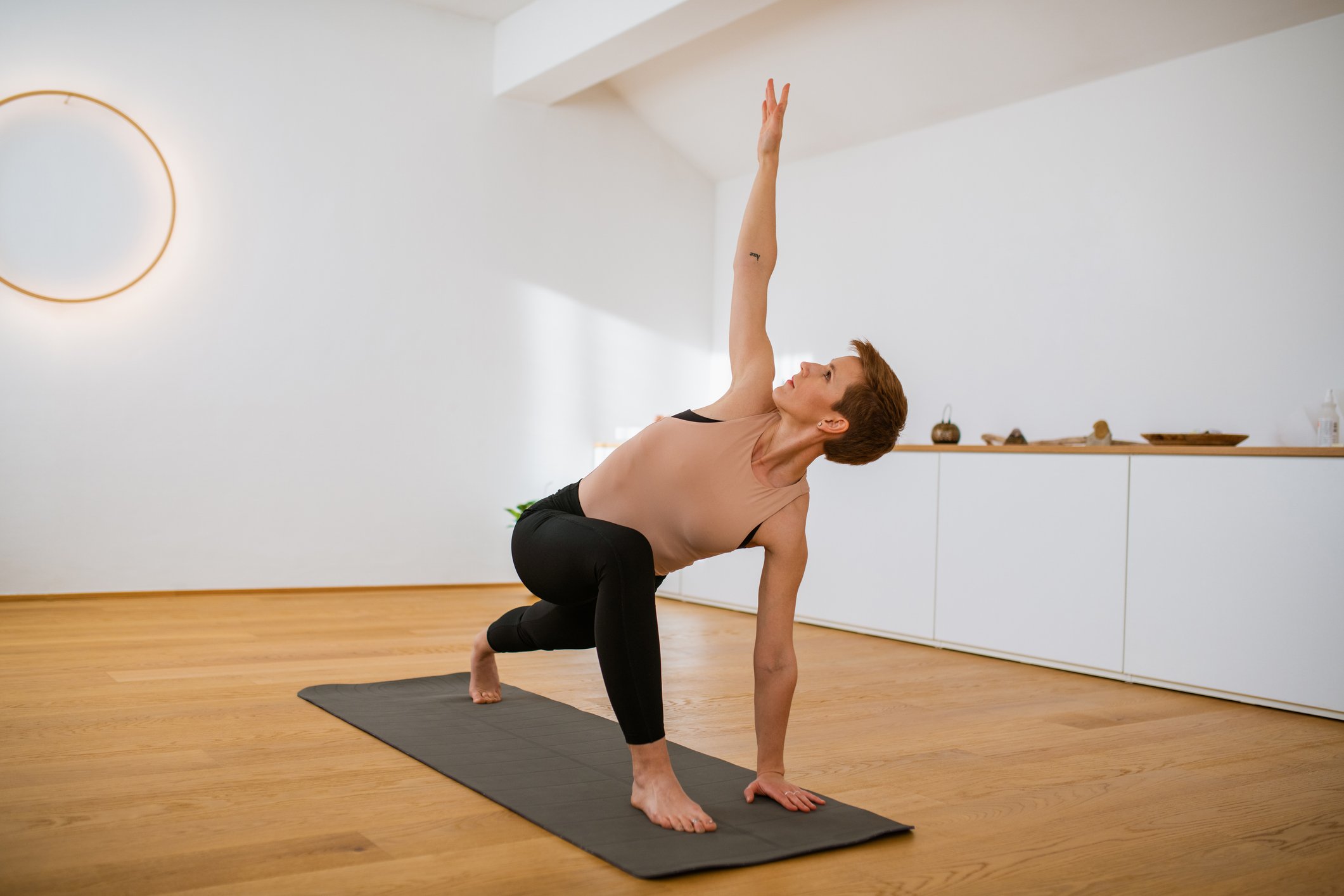
This month we’ll discuss static vs. dynamic stretches. In addition, we’ve provided some dynamic exercises to help you warm up during the cold weather season.

Static stretches are those in which you hold a single position for a designated period of time (typically 20–45 seconds) and are done while standing, lying, or sitting repetitively, 2–3 times each. Examples of static stretches are hamstring, quadricep, and calf stretches.

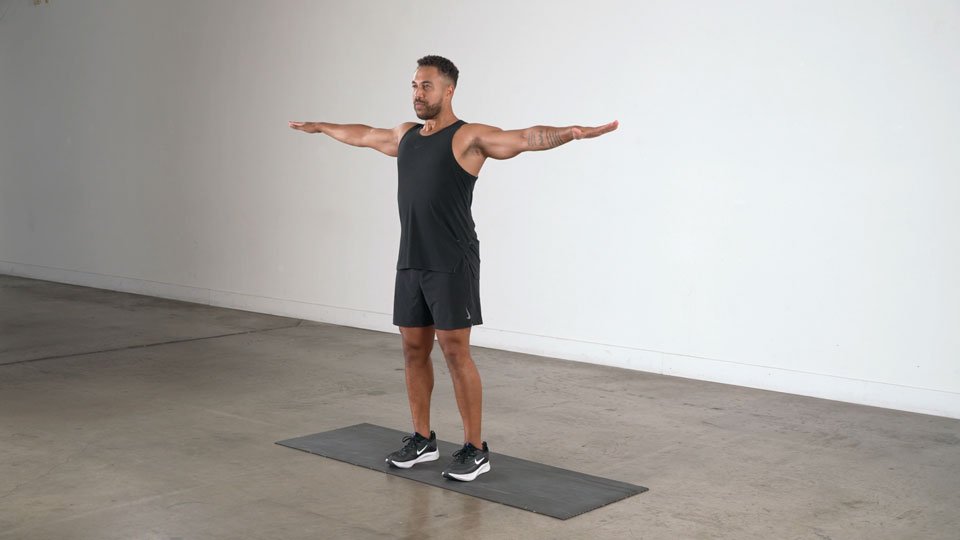
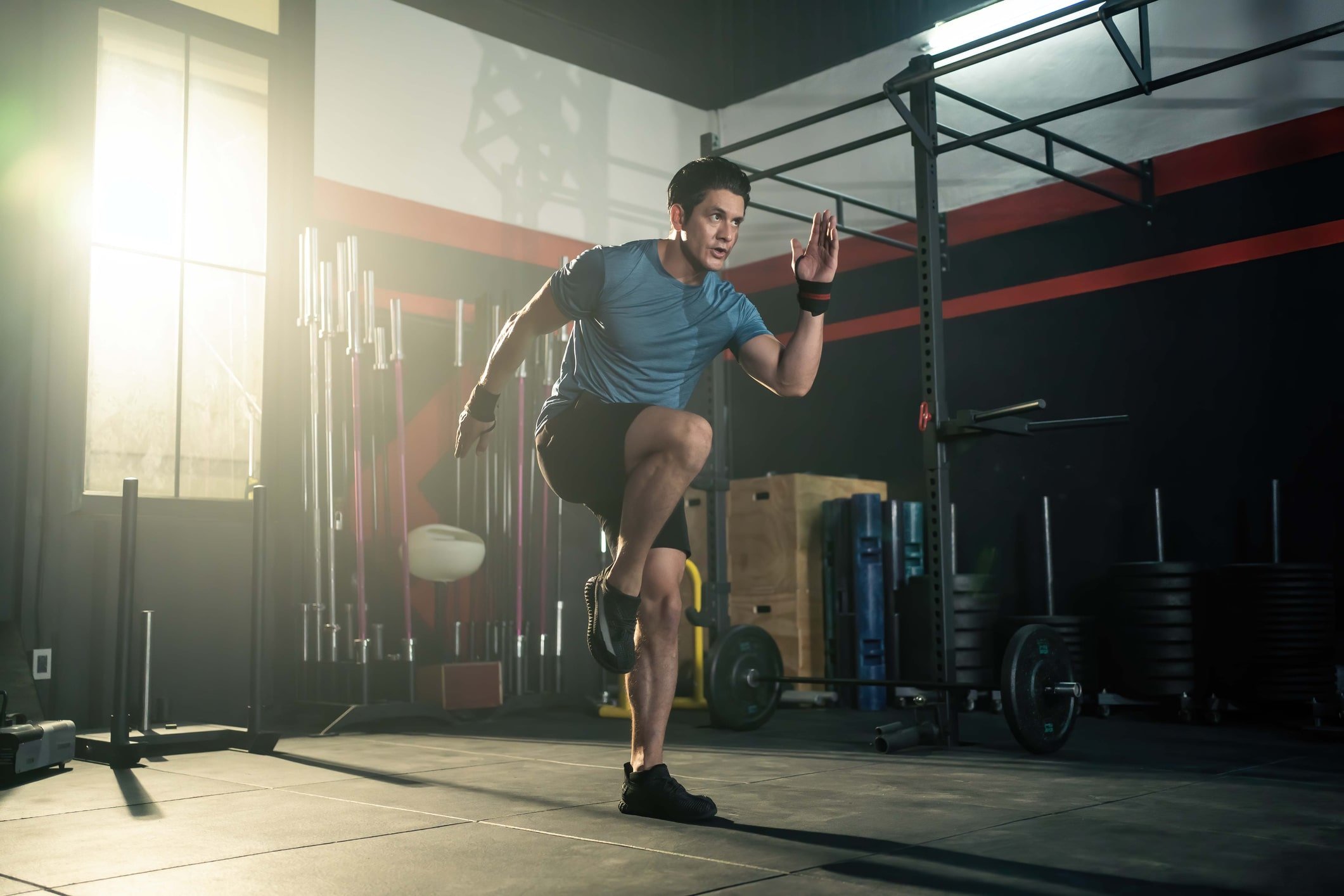
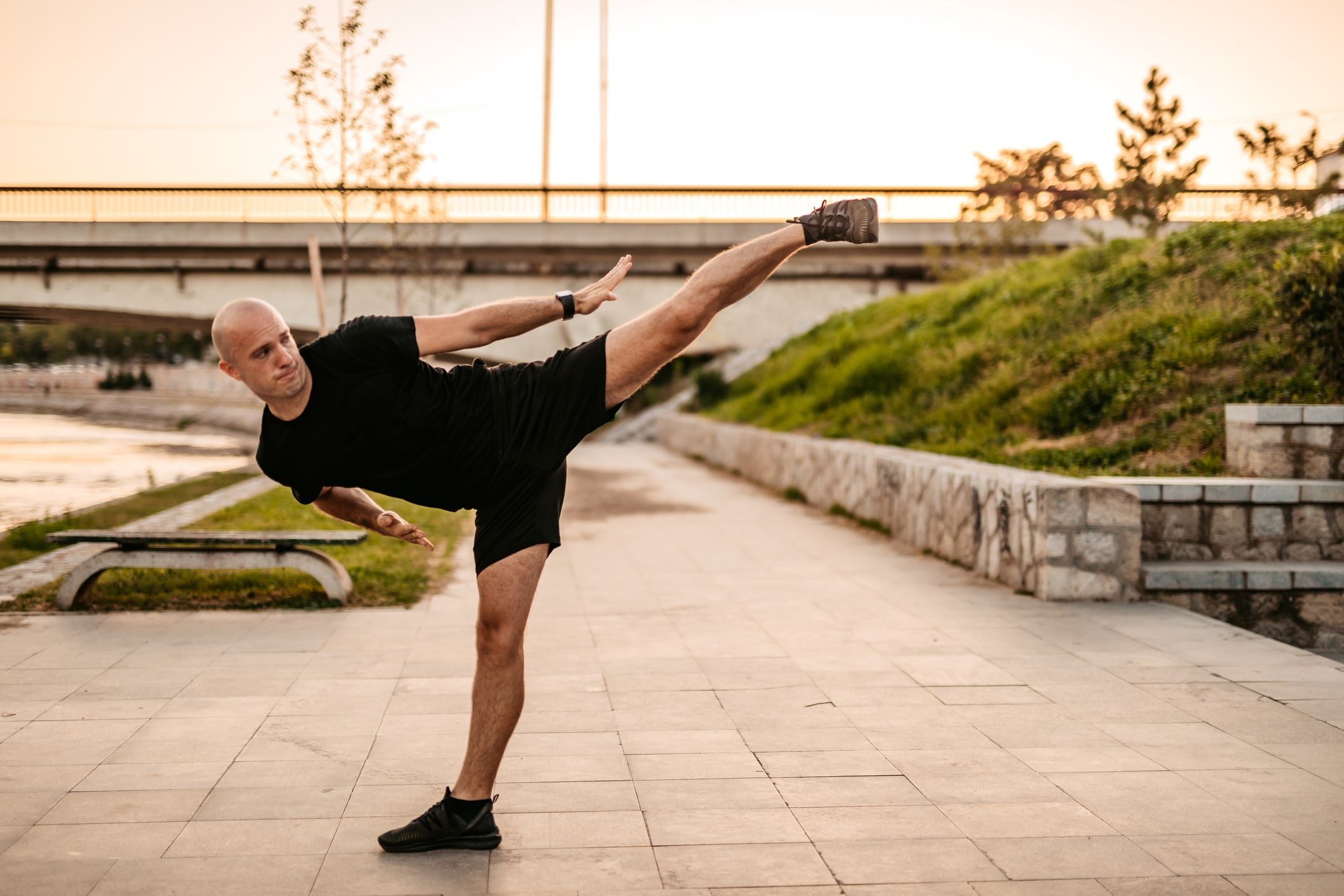
Dynamic exercises limber up your muscles and help get your blood moving, which keeps you warmed up and ready to work out. Some examples of dynamic stretches include lunges, leg kicks, and arm circles. Dynamic stretches involve movements that are designed to prepare muscles, ligaments, and soft tissues which in turn help to improve performance and reduce the risk of injury. 

Arm Circles

Arm Circles exercise

High Knees 

High Knees exercise

Squat-to-Stand

Squat to stand exercise

Leg Kicks

Leg kicks exercise

Lunge with a Twist

Lunge with a twist exercise


For more exercises like these and additional information regarding stretching, check out our article discussing flexibility vs. mobility.

COMMON NFL INJURIES

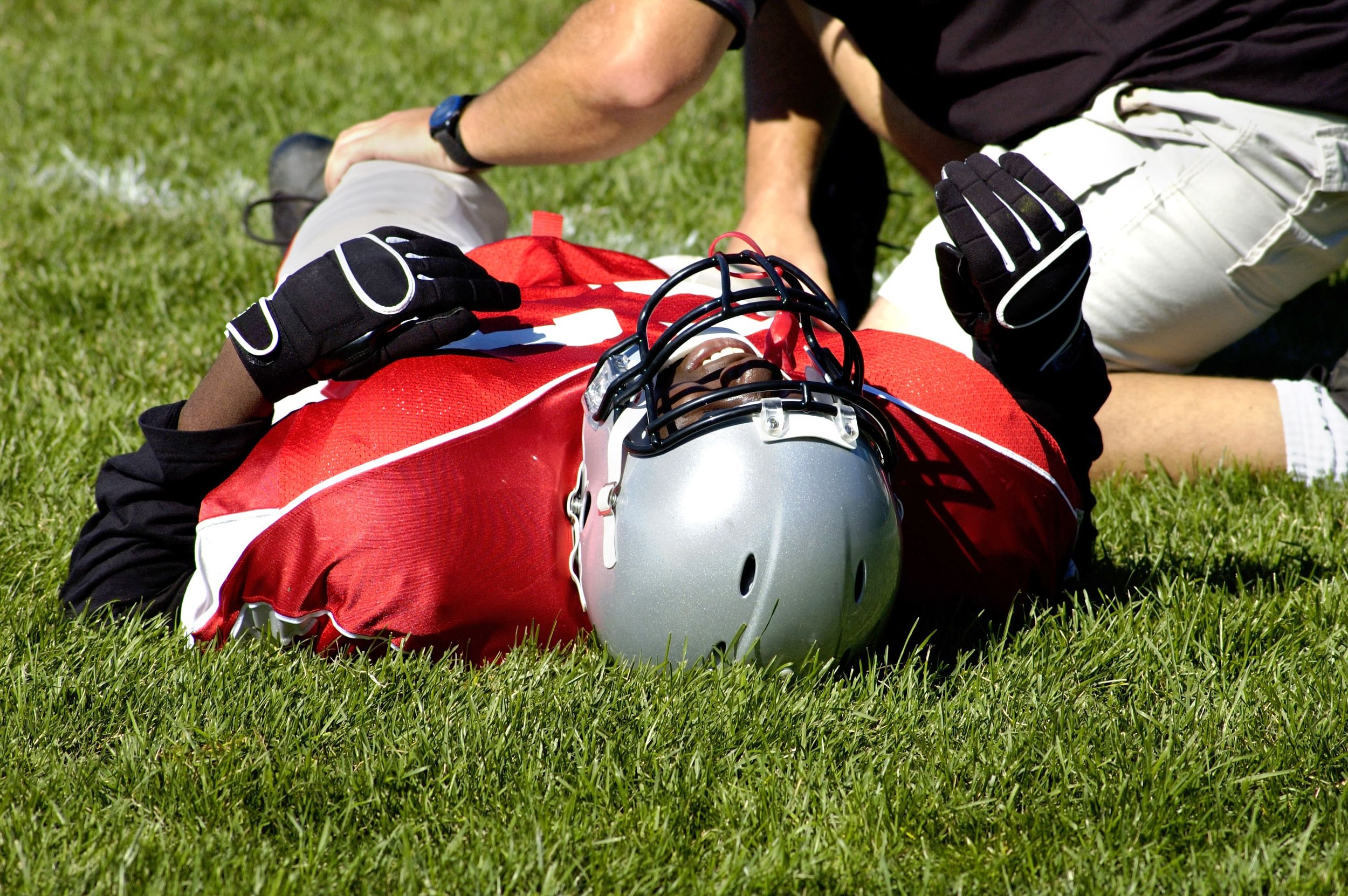
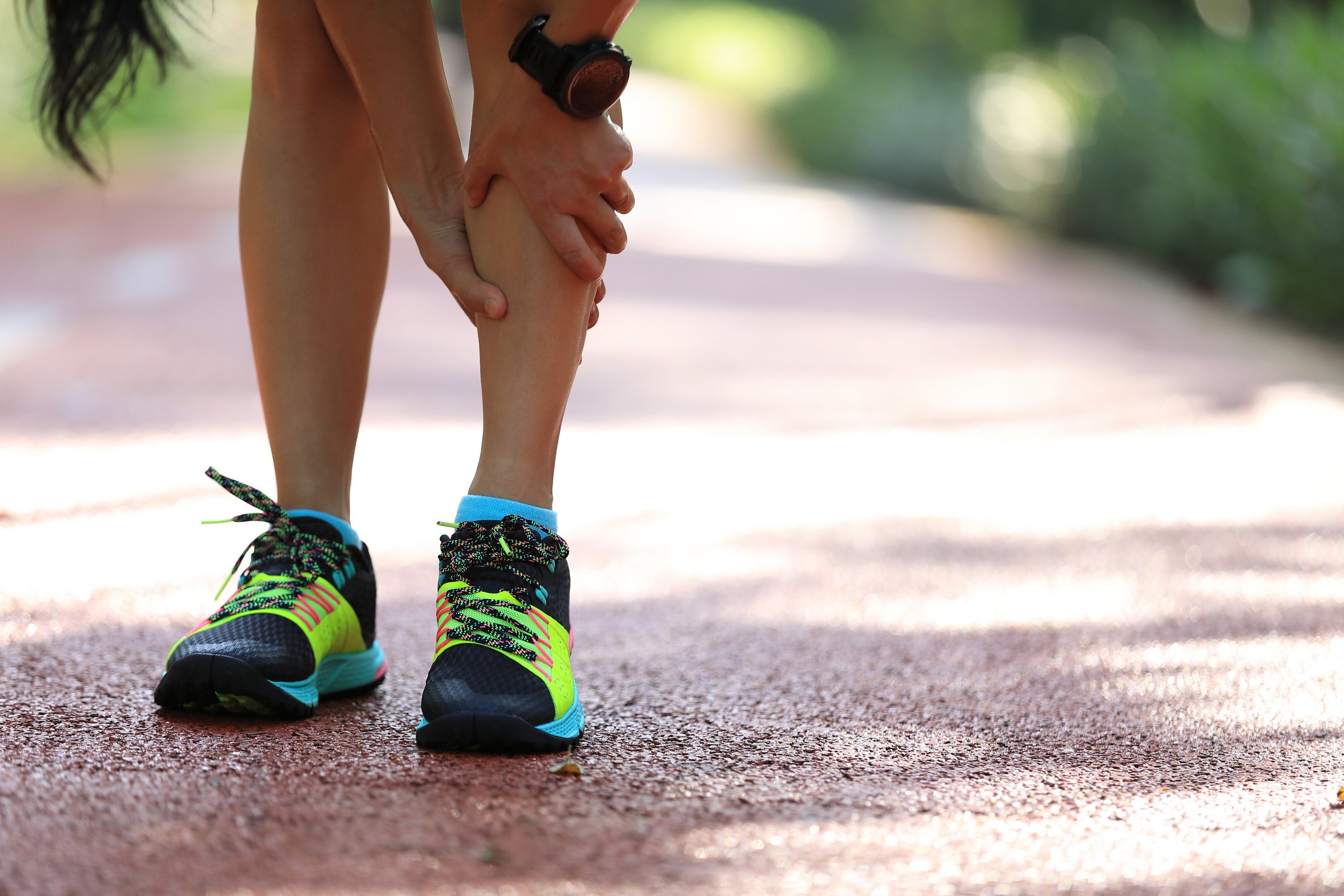
Injured foot ball playerThe National Football League (NFL) ranks as one of the most widely followed professional sports leagues in the United States. The frequency of injuries in the NFL surpasses that of other team-oriented, contact-intensive sports including ice hockey and rugby.  The most common injuries sustained by NFL players are to the lower extremities, starting with the ankle, knee, and hamstring.  


We’ve highlighted a few interesting facts about common lower body injuries sustained by NFL Players in the article below and included links to some NFL-generated content discussing its continued efforts to improve player safety.


Hamstring Injuries

In each season the NFL sees about 176 hamstring injuries which can take a few days to heal or up to three months depending on the severity. The time for an NFL player to return to play after sustaining a hamstring injury is about 13 days. According to the NCBI, NFL players have a HSI recurrence rate of 38.4% and a 13.4% increased risk of reinjury if the player returned to play (RTP) within two weeks.

Hamstring injuries are common injuries found in most sports. David Beckham, Kobe Bryant, Usain Bolt, Tiger Woods, Serena Williams, and LeBron James are just a few examples of seasoned celebrity athletes who have also sustained serious hamstring injuries over the years.

Fractures

The most common fracture sites in the NFL are the tibia, fibula, hand, finger, humerus, and forearm. The positions most likely to incur fractures are running backs, wide receivers, defensive backs, and quarterbacks due to the rate of speed prior to being hit as well as the increased amounts of jumping and landing required by their respective positions.  

One of the most notable is Joe Theismann’s, QB Washington Redskins after being sacked by Lawrence Taylor of the New York Giants in 1985. Another is Alex Smith, Washington Redskins compound fracture sustained in 2018 which became life-threating from complications due to infection. However, after 17 surgeries and miraculously avoiding amputation, he was able to return to play a few years later.

Ankle Sprains

Football players face a significant risk of ankle injuries because of the sport's intense physical requirements, which involve quick changes in direction, sprinting, and leaping. Among these injuries, sprains are particularly prevalent, especially for running backs and receivers.

Last season’s most notable NFL Ankle Sprain occurred during the playoffs, when Chiefs QB Patrick Mahomes suffered a high ankle sprain which he was able to play through in the AFC championship game and Super Bowl 57.

ACL/MCL Tears

According to the NFL, there were 52 ACL tears suffered by players in the 2023 season which is a whopping 24% drop over the two seasons prior. These injuries occur because of a variety of movements including pivoting, cutting, jumping, accelerating, and decelerating.  ACL injuries take at least a year for recovery while MCL's are about three months. Some well-known NFL players who suffered and recovered from ACL/MCL injuries are, Tom Brady – torn ACL, Ron Gronkowski – torn ACL, torn MCL, and Adrian Peterson – torn ACL, torn MCL.
NFL player injury

Injuries are prevalent in the NFL; however, the NFL has shown itself to be striving to make consistent progress over recent years to try to help ensure player safety. In its words: “Through its Play Smart. Play Safe. initiative, the National Football League is working to drive progress in the prevention, diagnosis, and treatment of injuries, enhance medical protocols and further improve the way our game is taught and played.” NFL Health and Safety Fact Sheet:  https://nflps.org/wp-content/uploads/2018/09/NFL-Fact-Sheet-Health-and-Safety-9.2018-1.pdf

In its NFL presents series, the NFL published a video webinar discussion led by NFL Chief Medical Officer Dr. Allen Sills entitled Reducing Lower Extremity Injuries. Check out the webinar by visiting https://www.nfl.com/playerhealthandsafety/health-and-wellness/player-care/nfl-presents-reducing-lower-extremity-injuries-video

Safety training and injury prevention is key in football and is crucial to the performance and well-being of athletes both on and off the field across all sports.  As part of our philosophy at Dr. Lee S. Cohen and Associates we like to prevent pain and avoid injury before it happens. We do this by performing a full body, biomechanical examination, and functional movement screening, which includes a gait analysis (walking and running) that we do for all of our patients both young and old. If abnormalities are caught early on, it is easy to fix and realign body posture. Misalignment causes strain. Strain causes pain. And it all begins with the feet.

To learn more or schedule a biomechanical examination with one of our Sports Medicine Podiatry Experts contact us or call our office at (610) 522-9200 to schedule your appointment at our Marlton, N.J. Sports Medicine Podiatry Center or Ridley Park PA. Office today.
NATIONALLY RECOGNIZED SPORTS MEDICINE PODIATRIST DR. ALICIA CANZANESE JOINS DR. LEE S. COHEN AND ASSOCIATES

nationally recognized sports medicine podiatrist dr alicia canzaneseDr. Lee Cohen, Dr. Lee S. Cohen and Associates is pleased to announce the addition of its newest Associate, Dr. Alicia Canzanese to its Delaware County, PA. Sports Medicine Podiatry Center located in Ridley Park effective November 5th, 2024.

Dr. Alicia Canzanese is a Board-Certified Podiatrist who received her Doctorate of Podiatric Medicine from the Temple University School of Podiatric Medicine (TUSPM) in Philadelphia. Dr. Canzanese is board-certified by both the ABPM (American Board of Podiatric Medicine) and the ABFAS (American Board of Foot and Ankle Surgery).

Dr. Canzanese also holds a Certificate of Added Qualification in Sports Medicine from the ABPM. She is a Fellow of the American Academy of Podiatric Sports Medicine (AAPSM) and was elected to their Executive Board and is the current AAPSM President. She is also the current Vice President of the Pennsylvania Podiatric Medical Association.

In addition to her practice, Dr. Canzanese also enjoys teaching. She is an adjunct faculty member at Temple University where she teaches the Podiatric Sports Medicine Course. She is an attending with the Chestnut Hill Residency program where she teaches young podiatrists in training. Dr. Canzanese also lectures at multiple podiatry conferences around the country. She completed a three-year surgical residency with the Christiana Care Health System in Delaware and was selected as Chief Resident in her final year.

Prior to entering the podiatric profession, she earned her Bachelor of Science degree in Athletic Training at Salisbury University in Maryland and is board-certified as a Certified Athletic Trainer (ATC). During her ATC training, she worked with multiple men’s and women’s collegiate sports teams, completing an undergraduate internship with the Virginia Tech Football team. Additionally, she previously coached high school Track and Field at her alma mater, Garnet Valley High School.

“We couldn’t be more excited to have Dr. Canzanese joining our extensive team of sports medicine podiatry experts. Not only is she one of the most accomplished professionals in our field, but Alicia is also one of the most passionate and hardest-working people in the industry. Dedication to providing excellence in superior patient care is our mission, all which Dr. Canzanese exemplifies.” – Dr. Lee S. Cohen

Dr. Canzanese grew up in Delaware County, Pennsylvania. Her interest in sports medicine started at an early age through youth and high school athletics. She continued her athletic career as an NCAA collegiate athlete competing on the Salisbury University Track and Field team as a sprinter and thrower. Her hobbies and interests include gardening, hiking, fitness, cooking, crafts, and running.

As a Sports Medicine Specialist, Dr. Canzanese understands the needs of athletes and runners and will evaluate your condition from a sports medicine approach. Sports Medicine is more than just treating high-level athletes. Sports Medicine involves providing comprehensive medical care for athletes of all levels, sports teams, recreational runners, and active individuals who are simply looking to maintain a healthy lifestyle.

Contact Dr. Lee S. Cohen and Associates Sports Medicine Podiatry Center to schedule your upcoming visit at our Ridley Park, PA office location with Dr. Alicia Canzanese. Call our office at (610) 522-9200 or use our website contact form. To learn more about Dr. Lee S. Cohen and Associates Marlton and Ridley Park, PA Sports Medicine Podiatry Centers, our team of Sports Medicine Podiatry Specialists, Custom Orthotics, Pediatric Podiatry, and full range of services, visit www.drleecohen.com.

scroll to top