DR. COHEN’S BASEBALL CLEAT LIST 2025. HOT OFF THE PRESSES!
NIKE, ADIDAS, NEW BALANCE, AND MORE!
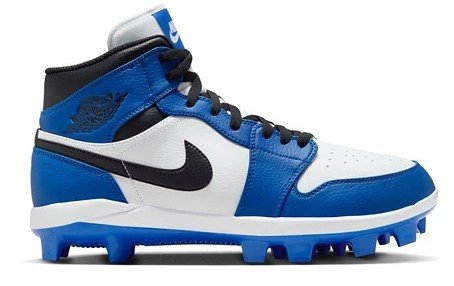
Jordan 1 Retro MCS Molded Baseball Cleats
Superior cushioning for added comfort
Durable upper
Foam midsole
Wide stud placement for fast cuts
Delivers optimal traction
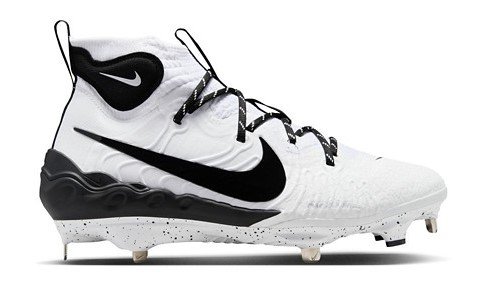
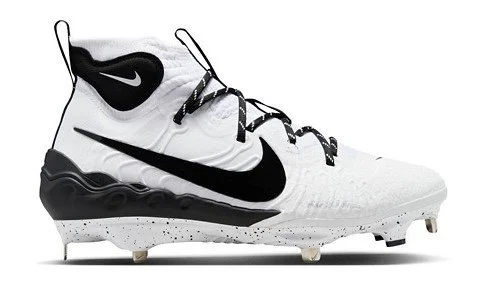
Nike Alpha Huarache NXT Metal Baseball Cleats
Nike React foam midsole
Nike Zoom Air unit in forefoot
Lightweight Synergia hybrid cleat plate for exceptional traction
Circular knit upper cuff allows for excellent ankle mobility
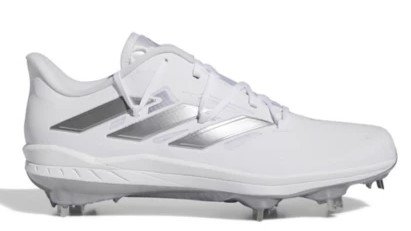
Adidas Adizero Afterburner 9 Metal Baseball Cleats
Lightstrike midsole cushioning offers superior comfort
Sprintskin upper
Widened lacing system adapts to your foot
New Balance FuelCell Ohtani 1 Metal Baseball Cleats
Built for explosive speed and stability
FuelCell foam delivers propulsive responsive feel
TPU wing lateral midfoot for stability
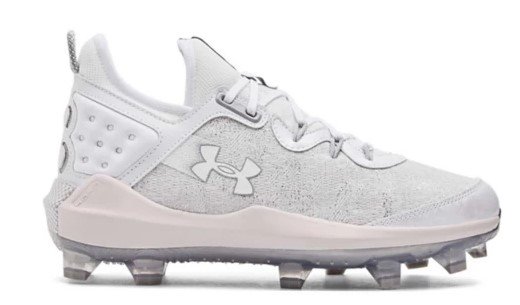
Under Armour Harper 8 Elite TPU Molded Baseball Cleats
Designed for comfort, durability, and high performance
Light breathable synthetic upper
Molded TPU cleat plate for superior traction
Stable grip
Credit: Scheels
Photo Credit: Scheels
To learn more about how custom orthotics can help you reach and exceed your goals and improve your activity so that you can do more of what you love with more confidence and less pain and to schedule your comprehensive biomechanical evaluation visit or call our Sports Medicine Podiatry Center and book an appointment at our Marlton, N.J. Sports Medicine Facility or Ridley Park, P.A. Office location with one of our podiatric sports medicine specialists today at (610) 522-9200.
Gout is a joint-related disease that develops when high levels of uric acid build up in the blood and form sharp crystals within a joint. These crystals often collect in the joints of the feet, especially the big toe, leading to sudden inflammation and intense discomfort. Symptoms may include swelling, redness, and severe joint pain that may limit normal movement. Risk factors may include genetic predisposition, gender differences, age-related metabolic changes, and dietary habits that increase uric acid production. Certain foods and beverages may contribute to elevated uric acid levels and trigger painful flare ups. A podiatrist can diagnose gout, help manage symptoms, and provide treatment to protect joint health. If you have symptoms of gout, it is suggested that you promptly consult a podiatrist who can verify the diagnosis and provide relief options.
Gout is a foot condition that requires certain treatment and care. If you are seeking treatment, contact one of our specialists from Dr. Lee S. Cohen Associates. Our doctors will treat your foot and ankle needs.
What Is Gout?
Gout is a type of arthritis caused by a buildup of uric acid in the bloodstream. It often develops in the foot, especially the big toe area, although it can manifest in other parts of the body as well. Gout can make walking and standing very painful and is especially common in diabetics and the obese.
People typically get gout because of a poor diet. Genetic predisposition is also a factor. The children of parents who have had gout frequently have a chance of developing it themselves.
Gout can easily be identified by redness and inflammation of the big toe and the surrounding areas of the foot. Other symptoms include extreme fatigue, joint pain, and running high fevers. Sometimes corticosteroid drugs can be prescribed to treat gout, but the best way to combat this disease is to get more exercise and eat a better diet.
If you have any questions, please feel free to contact our offices located in Marlton, NJ andRidley Park, PA. We offer the newest diagnostic and treatment technologies for all your foot care needs.
Blisters are fluid-filled pockets that form beneath the outer layer of skin. On the feet, they can develop when repeated rubbing or pressure irritates the skin. Tight shoes can create friction against the toes, heels, or sides of the feet. Burns and other skin injuries can also cause blisters. Most blisters caused by irritation affect the upper layers of skin and heal without leaving a scar. Symptoms include tenderness, redness, and a raised pocket of fluid. A blister can make standing or walking uncomfortable when pressure is placed on the affected area.
Not every blister develops from friction or an injury. Some diseases cause blisters because of problems within the body. Certain conditions involve the immune system mistakenly attacking healthy skin. These conditions can produce widespread blisters that begin in deeper layers of the skin. They can take longer to heal and can sometimes leave scars. Infections and reactions to certain medications can also cause serious blistering. A podiatrist can examine foot blisters and ask about when they appeared. The examination can help determine whether pressure, infection, or another condition could be responsible. Unexplained or widespread blistering can require evaluation by another medical specialist.
Treatment for foot blisters depends on their cause, location, and severity. A podiatrist can protect an irritated area and address pressure that contributes to the problem. Treatment can include professional wound care, protective padding, and care for an underlying infection. A podiatrist can also evaluate shoes that create repeated friction or pressure against the skin. Blisters linked to a more serious skin disease require treatment directed at the underlying condition. Patients with diabetes or poor circulation should have foot blisters evaluated promptly because damaged skin can lead to serious complications. A podiatric evaluation is also important when a foot blister becomes increasingly painful, red, or swollen. If you are developing frequent blisters on your feet, it is suggested that you schedule an appointment with a podiatrist for effective relief and treatment solutions.
Blisters are prone to making everyday activities extremely uncomfortable. If your feet are hurting, contact one of our specialists of Dr. Lee S. Cohen Associates. Our doctors can provide the care you need to keep you pain-free and on your feet.
Foot Blisters
Foot blisters develop as a result of constantly wearing tight or ill-fitting footwear. This happens due to the constant rubbing from the shoe, which can often lead to pain.
What Are Foot Blisters?
A foot blister is a small fluid-filled pocket that forms on the upper-most layer of the skin. Blisters are filled with clear fluid and can lead to blood drainage or pus if the area becomes infected.
How Do Blisters Form?
Blisters on the feet are often the result of constant friction of skin and material, usually by shoe rubbing. Walking in sandals, boots, or shoes that don’t fit properly for long periods of time can result in a blister. Having consistent foot moisture and humidity can easily lead to blister formation.
Prevention & Treatment
It is important to properly care for the affected area in order to prevent infection and ease the pain. Do not lance the blister and use a Band-Aid to provide pain relief. Also, be sure to keep your feet dry and wear proper fitting shoes. If you see blood or pus in a blister, seek assistance from a podiatrist.
If you have any questions, please feel free to contact our offices located in Marlton, NJ andRidley Park, PA. We offer the newest diagnostic and treatment technologies for all your foot care needs.
A bunion is a bony bump that forms along the inside of the foot at the base of the big toe. It develops as the big toe begins to lean toward the smaller toes, causing the joint at its base to shift outward. Bunions often develop gradually and may become more noticeable over time. Common symptoms include pain, swelling, and redness around the affected joint. The big toe may also become stiff or difficult to move. Although some bunions cause little discomfort, others can make walking or wearing certain shoes painful. Changes in foot structure and family history can increase the likelihood of developing bunions.
As a bunion progresses, the changing position of the big toe can affect how pressure is distributed across the foot. This may lead to discomfort while walking and make the joint more sensitive to pressure from footwear. Some people develop hardened skin over the bunion or experience pain in nearby toes. Arthritis can also affect the big-toe joint and contribute to stiffness. Because bunions can worsen over time, persistent symptoms should be professionally evaluated. An examination can determine the severity of the deformity and identify other foot problems that may be contributing to pain or difficulty walking.
A podiatrist can evaluate a bunion by examining the foot, big-toe position, and joint movement. X-rays may be recommended to measure changes in alignment and assess the condition of the joint. Podiatric treatment depends on the severity of the bunion and how much it affects daily activities. Care may focus on reducing pressure, improving foot function, and managing discomfort. For severe bunions that continue to cause significant problems, surgery may be considered to correct the position of the toe. If bunion pain, swelling, or stiffness is making walking or wearing shoes uncomfortable, it is suggested that you consult a podiatrist for an evaluation and appropriate treatment options.
A bunion is formed of swollen tissue or an enlargement of boney growth, usually located at the base joint of the toe that connects to the foot. The swelling occurs due to the bones in the big toe shifting inward, which impacts the other toes of the foot. This causes the area around the base of the big toe to become inflamed and painful.
Why Do Bunions Form?
Genetics – Susceptibility to bunions are often hereditary
Stress on the feet – Poorly fitted and uncomfortable footwear that places stress on feet, such as heels, can worsen existing bunions
How Are Bunions Diagnosed?
Podiatrists often perform two tests – blood tests and x-rays – when trying to diagnose bunions, especially in the early stages of development. Blood tests help determine if the foot pain is being caused by something else, such as arthritis, while x-rays provide a clear picture of your bone structure to your provider.
How Are Bunions Treated?
Refrain from wearing heels or similar shoes that cause discomfort
Select wider shoes that can provide more comfort and reduce pain
Anti-inflammatory and pain management drugs
Orthotics or foot inserts
Surgery
If you have any questions, please feel free to contact our offices located in Marlton, NJ andRidley Park, PA. We offer the newest diagnostic and treatment technologies for all your foot care needs.
Pronation describes the inward roll of the foot after the heel touches the ground. This movement helps the foot absorb shock and adjust to the surface while walking or running. A small amount of pronation is a normal part of a step. Overpronation occurs when the foot rolls too far inward, which can cause the arch to flatten. It can affect how weight moves through the foot. People with flat feet are more likely to overpronate.
Signs of overpronation can appear in the feet, shoes, or legs. The arch may drop inward when standing, and the inner edges of the shoes may wear down faster. Some patients develop heel pain, arch discomfort, or repeated ankle problems. Extra strain can also reach the knees, hips, and lower back. These symptoms do not always prove that overpronation is the cause. Other foot problems can produce similar pain. A podiatrist can study the position of the feet and watch how they move. This gait evaluation, which is an assessment of walking patterns, helps identify abnormal motion and areas of excess pressure.
Treatment depends on the patient's foot structure, symptoms, and activity level. A podiatrist can recommend shoes with the right amount of support and cushioning. Custom orthotics can also be prescribed to guide foot motion and spread pressure more evenly. These devices are made to match the patient's feet and specific walking pattern. The podiatrist can also evaluate related problems, like plantar fasciitis, tendon strain, or ankle instability. Imaging tests can help rule out bone or joint damage when the examination raises concern. Regular follow-up visits allow the podiatrist to check whether treatment is improving comfort and movement. Surgery is rarely considered and is generally reserved for severe structural problems that do not improve with other care. If you have foot pain after exercise, it is suggested that you schedule an appointment with a podiatrist for a diagnosis and appropriate treatment.
Podiatric biomechanics is a particular sector of specialty podiatry with licensed practitioners who are trained to diagnose and treat conditions affecting the foot, ankle and lower leg. Biomechanics deals with the forces that act against the body, causing an interference with the biological structures. It focuses on the movement of the ankle, the foot and the forces that interact with them.
A History of Biomechanics
Biomechanics dates back to the BC era in Egypt where evidence of professional foot care has been recorded.
In 1974, biomechanics gained a higher profile from the studies of Merton Root, who claimed that by changing or controlling the forces between the ankle and the foot, corrections or conditions could be implemented to gain strength and coordination in the area.
Modern technological improvements are based on past theories and therapeutic processes that provide a better understanding of podiatric concepts for biomechanics. Computers can provide accurate information about the forces and patterns of the feet and lower legs.
Understanding biomechanics of the feet can help improve and eliminate pain, stopping further stress to the foot.
If you have any questions please feel free to contact our offices located in Marlton, NJ andRidley Park, PA. We offer the newest diagnostic and treatment technologies for all your foot and ankle needs.